
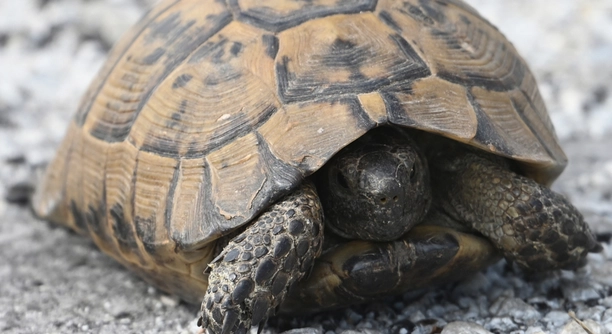
Your Greek tortoise’s shell may start growing unevenly, leading to concern. It’s essential to understand the possible reasons behind this issue for better care and management. This can help you address the root cause promptly.
Uneven shell growth in a Greek tortoise can stem from a variety of factors, including improper diet, lack of UVB light, dehydration, or underlying health issues. It’s important to identify the cause early to provide the appropriate treatment.
Identifying the underlying cause is key to promoting your tortoise’s well-being. Knowing these factors can guide you in ensuring a healthier, more balanced life for your pet.
1. Nutritional Deficiencies
A balanced diet plays a crucial role in your Greek tortoise’s overall health, including the condition of its shell. If the tortoise is not getting enough calcium, vitamin D3, or other essential nutrients, its shell may not develop properly. Calcium deficiency, in particular, is a common reason for uneven growth. Inadequate intake of these nutrients can result in a weak, malformed shell.
Providing a diet rich in leafy greens, vegetables, and appropriate supplements is key. You should also include calcium and vitamin D3 supplements to support shell growth. Consult a veterinarian for guidance on the best foods and supplements for your tortoise.
Ensuring a diet rich in these nutrients will help support healthy shell development. Along with proper food, regular access to UVB light is necessary for your tortoise to absorb calcium effectively. Without UVB, your tortoise may struggle with nutrient absorption, leading to poor shell growth.
2. Lack of Proper UVB Light
UVB light is essential for a tortoise’s health, especially for calcium absorption. Without it, their shell growth can become uneven, leading to soft or deformed shells. This happens because UVB rays allow tortoises to produce vitamin D3, which is crucial for processing calcium in their bodies.
Place your tortoise under a UVB light source for around 10-12 hours daily. Ensure the light is not too far from their habitat to mimic natural sunlight. Inadequate exposure can slow down proper shell growth, leaving it uneven or weak.
A well-maintained UVB light source will provide the necessary exposure to help your tortoise grow strong, even shells. If your tortoise is kept outdoors, ensure they have access to proper sunlight. Always check the quality of the UVB light to ensure it’s providing adequate benefits.
3. Dehydration
Dehydration is another common cause of uneven shell growth in Greek tortoises. When a tortoise doesn’t drink enough water, it can affect its shell development, leading to dry and uneven growth patterns. Shells become harder and may develop cracks if hydration isn’t maintained properly.
Regular hydration is necessary for proper shell growth. Ensure your tortoise has constant access to fresh water. If needed, soak them in a shallow dish of water every few days to help with hydration. Monitoring water intake is essential, especially in dry climates.
Additionally, humidity plays a role in your tortoise’s hydration levels. Ensure the enclosure’s humidity is kept at optimal levels to support your tortoise’s overall health. Too little moisture in the environment can lead to dehydration, negatively impacting shell growth.
4. Injury or Trauma
Any injury or trauma to a tortoise’s shell can disrupt its growth, leading to deformities. This could be a result of accidental falls, rough handling, or fights with other animals. Such damage may cause uneven growth as the tortoise’s body works to heal itself.
If an injury is suspected, it’s important to monitor the tortoise closely for signs of infection. Any visible cracks or holes in the shell should be addressed immediately by a veterinarian. In some cases, the tortoise may need medical care to avoid further damage.
Proper care and attention after an injury can help the tortoise recover fully. Ensuring the tortoise is in a safe environment can prevent further trauma. Regularly check the shell for any changes or damage that could affect its growth and overall health.
5. Genetic Factors
Genetics can also play a role in your Greek tortoise’s shell growth. Some tortoises may have inherited traits that lead to uneven or abnormal shell development. This can be especially noticeable in certain species with a history of genetic mutations.
Unfortunately, there’s not much you can do to change genetic factors, but understanding them can help you manage expectations. If your tortoise has inherited a condition affecting shell growth, regular vet check-ups can monitor its progress and health.
6. Poor Habitat Conditions
An improper habitat can contribute to uneven shell growth. If your tortoise’s living environment is too small, too cold, or too hot, it can affect their shell development. A proper habitat must include a temperature range, humidity levels, and enough space for movement.
Ensure the enclosure provides adequate space for the tortoise to roam freely. Temperature gradients and humidity control are essential for proper growth. If these factors aren’t properly managed, your tortoise may develop health issues, including shell deformities.
7. Parasites or Illness
Parasites or illnesses can affect your Greek tortoise’s overall health, including the development of its shell. Infections, worms, or fungal problems can lead to uneven growth. These health issues need to be addressed immediately to prevent further complications.
If you suspect parasites or illness, consult a veterinarian as soon as possible. Early diagnosis and treatment can minimize long-term damage to your tortoise’s shell and overall health. Regular veterinary care will help catch any underlying issues before they worsen.
FAQ
What is the best diet for my Greek tortoise to support healthy shell growth?
A proper diet is crucial for maintaining healthy shell growth. Greek tortoises thrive on a variety of leafy greens, such as dandelion greens, collard greens, and kale. Offering a mix of vegetables like squash, carrots, and bell peppers ensures they receive essential nutrients. Including a small amount of fruit, such as strawberries or melon, is fine occasionally, but avoid high-sugar fruits. A calcium supplement is also necessary, as Greek tortoises require calcium to maintain strong, even shells. Be sure to dust their food with a calcium powder several times a week.
How can I tell if my Greek tortoise’s shell is growing unevenly?
An uneven shell can be identified by inspecting the shape and texture of the shell. Look for areas that appear raised, sunken, or irregular in shape. You may notice ridges or bumps that weren’t there before. If the shell feels soft or brittle, it may be a sign of poor calcium absorption or dehydration. Additionally, uneven growth may cause the scutes (the individual plates of the shell) to grow in an inconsistent pattern. Regularly monitoring your tortoise’s shell for any unusual changes can help you spot potential problems early.
How often should I soak my Greek tortoise?
Soaking your tortoise in shallow, lukewarm water every few days can help keep it hydrated. This is especially important if your tortoise is showing signs of dehydration, which can affect shell growth. For a healthy tortoise, aim for a 10-15 minute soak. Some owners soak their tortoises 2-3 times a week, while others do so less frequently, depending on the environment and their tortoise’s needs. After soaking, ensure your tortoise has access to fresh drinking water.
Can poor lighting cause shell problems for my Greek tortoise?
Yes, poor lighting can cause serious issues, including uneven shell growth. Greek tortoises require exposure to UVB light to synthesize vitamin D3, which is essential for calcium absorption. Without proper UVB lighting, your tortoise may develop shell deformities and other health issues. If your tortoise is housed indoors, provide a UVB bulb in their enclosure for 10-12 hours a day. The bulb should be replaced regularly, as its effectiveness diminishes over time. If your tortoise is outdoors, ensure they have access to natural sunlight for several hours a day.
How do I know if my Greek tortoise is sick?
A sick tortoise may show a variety of symptoms. Look for changes in behavior, such as lethargy, lack of appetite, or abnormal movements. If your tortoise is hiding more than usual or showing signs of weakness, it may be unwell. Shell abnormalities, such as soft spots or discoloration, can also indicate an underlying issue. If your tortoise’s eyes are swollen, runny, or if it has trouble opening them, it could be a sign of an infection. Consult a veterinarian if any of these signs appear.
What temperature should I keep my Greek tortoise’s enclosure?
Greek tortoises need a temperature range between 75-85°F (24-29°C) during the day. You should provide a basking spot with temperatures around 90-95°F (32-35°C) to allow your tortoise to regulate its body temperature. At night, the temperature can drop to around 70-75°F (21-24°C). Using a thermostat or a temperature gauge in the enclosure will help maintain these temperature ranges. If temperatures are too low, your tortoise may become sluggish, which can lead to poor health and uneven shell growth.
How can I prevent my Greek tortoise from getting injured?
To prevent injuries, ensure your tortoise’s enclosure is safe and free of sharp objects or hazards. Use soft bedding, like hay or leaves, to avoid abrasion on the shell and skin. Be cautious when handling your tortoise, as drops or rough handling can lead to shell trauma. Additionally, if you allow your tortoise to roam outside, make sure the area is free from predators and obstacles that could cause injury. Regularly inspect the enclosure for any potential dangers.
What should I do if my Greek tortoise’s shell is cracked?
If your tortoise’s shell is cracked, it’s important to take action immediately. Clean the area with a mild antiseptic solution to avoid infection. Apply a suitable shell repair material if the crack is minor. For deeper cracks or fractures, take your tortoise to a veterinarian, as professional treatment may be necessary. The vet may use a special shell resin or other materials to help heal the crack and prevent further damage. Always keep the tortoise’s habitat clean to reduce the risk of infection.
Is it okay to keep my Greek tortoise with other pets?
Greek tortoises can be territorial, and it’s usually best to keep them alone or with other tortoises of similar size and species. If you have other pets, such as dogs or cats, it’s important to supervise any interactions. Animals with high energy or curiosity may stress out your tortoise, leading to health problems, including shell damage. Additionally, other pets might unintentionally harm your tortoise. Always create a safe, secure space for your tortoise that’s separate from any other animals to reduce stress and potential injury.
How can I ensure my Greek tortoise gets enough calcium?
Calcium is crucial for healthy shell growth. You can provide calcium through their diet by offering calcium-rich foods such as dark leafy greens (like collard greens or mustard greens) and adding calcium supplements to their food. Make sure the calcium powder is specifically designed for reptiles. You should also consider providing a calcium block for your tortoise to nibble on when needed. If your tortoise is not getting enough calcium, it may develop shell deformities or soft spots, so regular supplementation is essential.
Final Thoughts
Maintaining a healthy shell for your Greek tortoise requires a combination of proper diet, habitat, and care. The shell serves as a protective shield, and when it grows unevenly, it can signal underlying health issues that need attention. To ensure your tortoise’s shell grows evenly and stays strong, it’s important to provide a balanced diet rich in calcium and vitamin D3. Regular exposure to UVB light is essential, as it helps with calcium absorption and overall well-being. Without it, your tortoise’s shell may become soft, weak, or grow unevenly. Monitoring your tortoise’s behavior, shell appearance, and general health will help you spot potential issues early and take action.
In addition to a nutritious diet and proper lighting, hydration and temperature play crucial roles in your tortoise’s health. Soaking your tortoise in shallow, lukewarm water every few days ensures it stays hydrated, which is essential for maintaining a healthy shell. The proper temperature range in its enclosure also supports digestion and overall activity. If the environment is too cold, your tortoise may become lethargic, leading to weakened immunity and other health problems. Keeping the enclosure at the right temperature will help avoid stress, which can contribute to shell deformities.
Lastly, regular veterinary checkups are recommended for your tortoise, especially if you notice any signs of uneven shell growth or other health concerns. Veterinarians experienced with reptiles can provide professional advice, detect early symptoms of illnesses, and offer treatment options if needed. A well-maintained enclosure, proper diet, and regular health checks will give your Greek tortoise the best chance for a long, healthy life. When cared for properly, these tortoises can thrive and enjoy their natural beauty, including a strong, even shell. Always stay attentive to their needs and make adjustments as necessary for their well-being.

Hello,
If you enjoy the content that we create, please consider saying a "Thank You!" by leaving a tip.
Every little bit helps us continue crafting quality advice that supports the health, happiness, and well-being of pets around the world, for pets of all shapes, sizes, and species.
We really appreciate the kindness and support that you show us!