
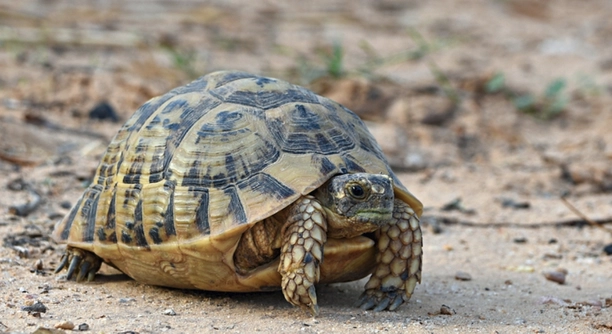
Greek tortoises are known for their plant-based diet, but knowing what is safe and beneficial for them is important. Many tortoise owners wonder if green beans are a suitable food for their pets.
Greek tortoises can eat green beans in moderation. While they provide some nutrients, they should not be a regular part of their diet. Overconsumption can lead to digestive issues or an imbalance in their nutrition, so variety is key.
Understanding the benefits and risks of feeding green beans will help ensure your tortoise stays healthy.
Benefits of Green Beans for Greek Tortoises
Green beans offer some health benefits for Greek tortoises. They are rich in vitamins, minerals, and fiber, which are essential for your tortoise’s digestive system. The high fiber content in green beans aids in maintaining healthy bowel movements. They also provide some hydration, which is helpful in warmer climates or for tortoises that may not drink enough water. The vitamins found in green beans can help support your tortoise’s immune system and bone health. However, it’s important to feed them in moderation to avoid digestive issues.
Green beans contain calcium, which contributes to the overall bone health of Greek tortoises. However, it’s important to remember that the calcium to phosphorus ratio in green beans isn’t ideal. This means they should only be fed occasionally and as part of a balanced diet, not as a primary food source.
Overfeeding green beans can lead to an imbalance of calcium and phosphorus, potentially affecting your tortoise’s health. If you are unsure how to include green beans in your tortoise’s diet, it’s best to consult with a reptile specialist. Balance is essential when feeding your tortoise, so ensure that green beans are just a small portion of their overall diet. This ensures your tortoise gets the nutrients they need without risking digestive or bone issues.
Risks of Green Beans for Greek Tortoises
Although green beans offer some benefits, there are also risks involved when feeding them to Greek tortoises. Overconsumption can lead to an upset stomach or other digestive problems. Feeding green beans too frequently may also cause your tortoise to avoid other essential vegetables.
Green beans contain lectins and phytic acid, compounds that, in large quantities, may interfere with nutrient absorption. While these compounds are not usually harmful in small amounts, it’s still wise to avoid excessive green bean intake. If your tortoise has a sensitive stomach, even moderate amounts may cause discomfort. Additionally, raw green beans can be difficult to digest, so they should be cooked before feeding them to your tortoise. This helps break down tough fibers and makes them easier to digest.
It’s also essential to avoid feeding your tortoise green beans from canned products. Canned green beans often contain added salt and preservatives, which are not safe for tortoises. Fresh, organic green beans are always the best option to ensure your tortoise is consuming healthy food free of harmful additives. Always wash the beans thoroughly to remove any pesticides or chemicals. This simple step will reduce the risk of any unwanted contaminants entering your tortoise’s diet.
How Often Should Green Beans Be Fed?
Green beans should only be offered to Greek tortoises once or twice a week. Overfeeding can lead to digestive issues or an imbalance in their diet. Keep green beans as an occasional treat, ensuring they are part of a varied diet.
Feeding green beans too often can replace more essential nutrients that Greek tortoises need, such as calcium and fiber. Variety in their diet ensures they receive the full spectrum of vitamins and minerals. Offering too much of one food item, even if it’s healthy, can disrupt their digestion or cause other health problems.
Green beans should not make up the bulk of your tortoise’s diet. Focus on providing a range of leafy greens, herbs, and occasional vegetables. A balanced, diverse diet will keep your tortoise healthier and more active. Consider rotating foods like dandelion greens, kale, and collard greens, alongside the occasional green bean.
Alternative Vegetables for Greek Tortoises
If you’re looking to diversify your tortoise’s meals, try feeding other vegetables such as bell peppers, squash, or carrots. These options provide a wide range of nutrients, including vitamins A and C, which are essential for overall health. They also contain less phosphorus compared to green beans.
While green beans have benefits, Greek tortoises need a broader range of vegetables to maintain a healthy diet. Vegetables like bell peppers provide a more balanced nutritional profile for your tortoise. Leafy greens, such as collard greens or dandelion greens, also offer essential fiber, calcium, and other vitamins. Regularly switching up their vegetables helps mimic the variety they would encounter in the wild, supporting digestion and overall health. Feeding a variety of vegetables also prevents boredom and encourages more active feeding behavior.
How to Prepare Green Beans for Greek Tortoises
Before feeding green beans to your Greek tortoise, it’s important to prepare them properly. Always wash the beans thoroughly to remove any pesticides. It’s also a good idea to cook them lightly, as raw beans can be hard to digest.
Boiling green beans for a short time can make them softer and easier for your tortoise to eat. Be sure not to add any salt or seasoning during the cooking process, as these can be harmful. After cooking, allow them to cool before offering them to your tortoise. This prevents them from burning their mouth.
Can Green Beans Be Harmful?
In large amounts, green beans can cause digestive issues or upset your tortoise’s stomach. This is especially true if they are fed raw and in excess. Always offer green beans in moderation to avoid any problems.
If your tortoise shows signs of discomfort, such as bloating or lack of appetite, stop feeding green beans and consult a vet. The best approach is to monitor your tortoise’s reaction to new foods and ensure they are eating a well-rounded diet.
FAQ
Can Greek tortoises eat canned green beans?
Canned green beans should be avoided for Greek tortoises. They often contain added salt and preservatives that can harm your tortoise’s health. These additives are not safe for them and can lead to dehydration or kidney problems. Always choose fresh, organic green beans to ensure a safer, healthier option.
Are green beans safe for baby Greek tortoises?
While green beans are safe for baby Greek tortoises in small amounts, it’s important to be cautious. Their digestive system is more sensitive, so introducing new foods gradually is essential. Baby tortoises need a balanced diet, and green beans should only be a small part of that. Focus on offering more calcium-rich vegetables.
How should green beans be stored?
Green beans should be stored in the refrigerator to maintain their freshness. Keep them in a sealed container or plastic bag to avoid them wilting or spoiling too quickly. Fresh green beans can last for up to a week in the fridge. For longer storage, consider freezing them after washing and cutting them into small pieces.
Can Greek tortoises eat frozen green beans?
Frozen green beans are safe for Greek tortoises as long as they are thawed before being fed. Freezing preserves the nutrients, so you can store green beans for longer. However, ensure they are free of any added salt or preservatives. Always thaw them properly and cut them into manageable pieces for easier consumption.
What other foods should I avoid feeding my Greek tortoise?
There are several foods that should be avoided when feeding your Greek tortoise. Foods like iceberg lettuce, spinach, and cabbage can cause digestive issues or other health problems. Avoid feeding them high-protein foods like meat or dairy, as Greek tortoises are herbivores and need a plant-based diet. Additionally, fruits with high sugar content, such as apples or strawberries, should only be given sparingly.
How can I tell if my tortoise is eating too many green beans?
If your Greek tortoise is eating too many green beans, you may notice signs of digestive discomfort, such as bloating, diarrhea, or lack of appetite. It’s important to keep an eye on their stool to ensure it is consistent and not watery. If any unusual symptoms appear, reduce the amount of green beans and consult a vet if necessary.
Can Greek tortoises eat beans other than green beans?
Greek tortoises can eat other types of beans, but they should be prepared with caution. Beans such as kidney beans or black beans contain lectins and other compounds that may be harmful in large amounts. Always cook the beans thoroughly to break down these harmful substances before offering them to your tortoise. Even then, beans should only be given occasionally and in moderation.
Are there any health benefits to feeding green beans to Greek tortoises?
Green beans can provide several health benefits to Greek tortoises. They contain essential vitamins like vitamin C, which supports the immune system. The high fiber content helps maintain digestive health, and green beans are also low in fat, making them a suitable option when given occasionally. However, they should not be the primary food source.
How often should I rotate vegetables in my tortoise’s diet?
It’s a good idea to rotate vegetables regularly to ensure your Greek tortoise gets a variety of nutrients. Offering different vegetables every few days or weekly helps prevent dietary imbalances. You can mix leafy greens, flowers, and other safe vegetables to keep their meals interesting and nutritious. Rotating the options will also help mimic the variety they would have in the wild.
Can green beans affect my tortoise’s shell health?
When fed in moderation, green beans are unlikely to affect the health of your tortoise’s shell. However, an imbalanced diet, especially one lacking in calcium and other essential nutrients, can negatively impact shell development. A diet rich in calcium, such as dandelion greens and other leafy vegetables, is crucial for shell health. Green beans should only be a small part of a well-rounded diet.
What are the signs that my tortoise isn’t digesting green beans properly?
If your Greek tortoise is having trouble digesting green beans, signs may include diarrhea, bloating, or a lack of interest in food. If these symptoms persist, it’s important to remove green beans from their diet and consult a vet. Introducing new foods gradually and in moderation can prevent digestive issues.
Can Greek tortoises eat raw green beans?
While Greek tortoises can technically eat raw green beans, it’s better to lightly cook them to make them easier to digest. Raw green beans can be tough and harder on the digestive system, especially for young or sensitive tortoises. Cooking also helps reduce any potential toxins present in raw beans.
How can I prevent my tortoise from getting bored of their diet?
To prevent boredom, offer a wide variety of fresh vegetables and greens. You can try adding new items to their diet regularly, such as clover, endive, or parsley. Providing different textures and flavors will keep your tortoise interested in their meals and encourage them to eat a balanced diet.
Final Thoughts
Green beans can be a healthy snack for your Greek tortoise when offered in moderation. They provide essential nutrients like fiber and vitamin C, which can support digestion and boost immunity. However, it is important to ensure that they are prepared properly, washed thoroughly, and free from additives like salt. Overfeeding green beans or any single food can lead to digestive problems or an imbalance in your tortoise’s diet, so it is essential to provide variety.
While green beans are safe for Greek tortoises, they should not make up the majority of their diet. A balanced diet that includes a range of vegetables, leafy greens, and occasional safe fruits is key to maintaining overall health. Calcium-rich foods, in particular, should be prioritized to support the development of a strong, healthy shell. Introducing new foods slowly and in small amounts will help prevent digestive discomfort.
Ultimately, paying attention to how your tortoise responds to different foods and adjusting their diet accordingly is important. Green beans, like any treat, should be given as part of a well-rounded nutritional plan. Monitoring your tortoise’s behavior and health after adding new foods will ensure they stay healthy and happy. If any concerns arise, it’s always a good idea to consult with a veterinarian familiar with reptiles to ensure your tortoise is receiving the best care.

Hello,
If you enjoy the content that we create, please consider saying a "Thank You!" by leaving a tip.
Every little bit helps us continue crafting quality advice that supports the health, happiness, and well-being of pets around the world, for pets of all shapes, sizes, and species.
We really appreciate the kindness and support that you show us!