
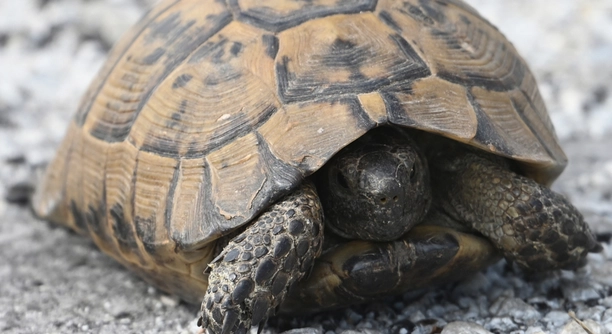
Preparing a Greek tortoise for hibernation is essential to ensure its well-being during the colder months. This process requires careful attention to its health, habitat, and diet. Proper preparation will support a successful hibernation period.
To prepare a Greek tortoise for hibernation, ensure it is healthy and has access to the right conditions. Gradually reduce its food intake, provide a dry and cool environment, and monitor its weight and behavior. Hibernation should be supervised.
Successfully preparing your tortoise will help maintain its health throughout the hibernation period.
Health Check Before Hibernation
Before starting the hibernation process, it’s important to ensure your Greek tortoise is in good health. Make sure your tortoise is free from any illnesses, infections, or parasites. Take it to a vet for a checkup and ask for advice on its specific needs before hibernation. A healthy tortoise will have a better chance of surviving the winter without complications.
You should monitor its weight closely, as a tortoise that is too thin may not survive the hibernation period. Keep track of its diet and hydration for the weeks leading up to hibernation. Regularly check its eyes, shell, and overall behavior for signs of health issues.
Once it is confirmed that the tortoise is healthy and ready for hibernation, stop feeding it around two weeks before the start. This fasting period is important for the digestive system to empty, reducing the risk of health problems during the hibernation period.
Preparing the Habitat
Ensure the environment where your tortoise will hibernate is prepared properly.
The hibernation habitat should be cool, dry, and secure, away from temperature fluctuations. A temperature of 40-50°F (4-10°C) is ideal for Greek tortoises. You can place your tortoise in a ventilated box or container with bedding such as hay or straw. It should be a quiet place, where the tortoise will be undisturbed during its hibernation.
Check the temperature frequently to avoid sudden changes, which could be harmful to your tortoise. Make sure there are no drafts or sources of heat nearby. Keep the box in a dark, quiet area to mimic the natural environment. You can use a thermometer to ensure the temperature stays consistent. Avoid placing the tortoise near heaters or other devices that could raise the temperature too high, which may cause it to wake prematurely.
Reducing Food Intake
Gradually reducing your tortoise’s food intake before hibernation helps prepare its digestive system.
About two weeks before hibernation, start cutting back on food. The tortoise’s digestive system needs to empty before it enters hibernation. Reducing food slowly is important to avoid stress on the digestive tract. Offer smaller portions, and stop feeding altogether once the fasting period begins.
The tortoise should not eat anything during the final week before hibernation. This ensures that its system is completely empty and reduces the chance of food rotting inside its body while it’s dormant. This period is key to preventing infections or gastrointestinal issues during hibernation.
Monitoring Behavior
Pay attention to your tortoise’s behavior leading up to hibernation.
Behavioral changes often indicate that the tortoise is ready to hibernate. It may become less active, spend more time resting, and seek out cooler areas. You may also notice it becoming more reclusive as it prepares to enter a dormant state. These signs should be watched closely to ensure it’s ready.
A decrease in activity is normal, but if your tortoise shows signs of distress or becomes unusually lethargic, it may indicate an issue. If this happens, consult with a vet to ensure the tortoise is in good health before beginning hibernation. Keeping a close eye on its behavior will help ensure a smooth transition.
Ensuring Proper Hydration
Hydration is important before hibernation. Make sure your tortoise is well-hydrated during the weeks leading up to it.
Offer fresh water daily until the fasting period begins. Soaking the tortoise in lukewarm water for 20-30 minutes a few times a week can also help keep it hydrated. This mimics natural hydration habits and helps the tortoise stay healthy.
Dehydration can cause serious health problems, especially during hibernation. If your tortoise is not hydrated properly, it could suffer from kidney problems or other organ issues when it wakes up. Keep an eye on its water intake to avoid dehydration.
Checking Weight
Keep track of your tortoise’s weight regularly.
A healthy tortoise should have a steady weight going into hibernation. Weigh it every few days to monitor any significant changes. It’s important to ensure it doesn’t lose too much weight before hibernation, as excessive weight loss can be harmful.
If the tortoise is losing weight rapidly, it may indicate a health issue. It’s crucial to address this before hibernation to avoid complications. A vet visit can help ensure your tortoise’s weight is within a healthy range for hibernation.
The Right Bedding
Choose the right bedding material for your tortoise’s hibernation.
Use dry, absorbent bedding like straw, hay, or shredded paper to line the hibernation container. Avoid using materials that could retain moisture, like wet sand or cloth. The bedding should be clean and comfortable, offering enough space for the tortoise to rest undisturbed.
FAQ
How long should I prepare my tortoise before hibernation?
It’s recommended to start preparing your Greek tortoise for hibernation about 2-3 weeks before the expected hibernation period. This includes reducing food intake, ensuring hydration, and monitoring its behavior for signs of readiness. Gradually stop feeding about 10-14 days before the start of hibernation, allowing the digestive system to empty.
Can I hibernate my tortoise in a refrigerator?
While some people do use refrigerators for hibernation, it’s not the best option unless you can carefully control the temperature. A fridge is often too cold, and temperature fluctuations could stress your tortoise. It’s safer to use a cool, dark, and dry room or a specially prepared hibernation box that maintains a stable temperature between 40-50°F (4-10°C).
What if my tortoise wakes up during hibernation?
If your tortoise wakes up during hibernation, it’s important not to disturb it unless necessary. If it seems to wake up too early, this could be due to temperature fluctuations or an issue with its health. Make sure the environment is stable, and check its weight and health. A vet visit may be needed if your tortoise seems to be having trouble.
How do I know if my tortoise is ready to hibernate?
You’ll notice your tortoise becoming less active and spending more time resting as the hibernation season approaches. It may also begin to seek out cooler spots and stop eating. These behavioral changes are a sign that the tortoise is preparing for hibernation. However, it’s important to ensure it is healthy and at a proper weight before allowing it to enter hibernation.
Can I hibernate my tortoise without a vet check?
While it’s possible, it’s highly recommended to have a vet check your tortoise before hibernation, especially if you’ve noticed any health concerns. A vet can check for underlying issues like parasites or infections that could affect the tortoise’s ability to survive hibernation.
How often should I check on my tortoise during hibernation?
Check on your tortoise every few weeks during hibernation to ensure that it’s stable. Monitor the temperature and humidity levels around the hibernation area. If the tortoise shows signs of waking up or seems unhealthy, it may need intervention. Keep disturbances to a minimum to prevent stress.
What temperature should the hibernation environment be?
The ideal temperature for a Greek tortoise during hibernation is between 40-50°F (4-10°C). This keeps the tortoise in a dormant state without causing harm. Too warm, and the tortoise may wake up early; too cold, and it could suffer from hypothermia. Using a thermometer is key to maintaining a consistent temperature.
Should I stop my tortoise’s water intake before hibernation?
It’s important to stop feeding your tortoise a few weeks before hibernation, but hydration is still important. Provide fresh water regularly until the fasting period starts. You can also soak your tortoise in lukewarm water a few times per week to ensure it stays hydrated before hibernation begins.
How long can a Greek tortoise hibernate?
Greek tortoises can hibernate for up to 3-4 months, depending on the conditions and temperature. However, the duration can vary based on the tortoise’s health, age, and environment. It’s important to keep the temperature stable and avoid disrupting the hibernation period unless absolutely necessary.
What should I do if my tortoise loses too much weight before hibernation?
If your tortoise loses too much weight before hibernation, it could indicate health problems. You should avoid allowing it to hibernate and instead consult a vet. The tortoise may need to gain weight and undergo treatment before it’s safe for hibernation.
Can I use a heat lamp for my tortoise during hibernation?
Heat lamps are not recommended for hibernating tortoises. The heat can disrupt the dormant state and lead to premature waking. It’s best to keep the environment cool and stable without external heat sources, ensuring the tortoise can stay in hibernation undisturbed.
What do I do if my tortoise doesn’t eat before hibernation?
If your tortoise refuses to eat before hibernation, try to ensure it is still drinking water and soaking regularly. If it still refuses food and shows signs of illness, consult a vet. Sometimes, lack of appetite can indicate health issues that need to be addressed before hibernation.
How can I tell if my tortoise is healthy enough to hibernate?
A healthy tortoise should have a steady weight, clear eyes, and no signs of infection or illness. It should be active up until the start of hibernation, and its shell should be free from any deformities or damage. A vet check is the most reliable way to confirm your tortoise is ready.
What kind of bedding is best for hibernation?
Use dry, absorbent bedding like hay, straw, or shredded paper. These materials will help the tortoise stay comfortable and provide insulation during hibernation. Avoid wet bedding, as it could lead to mold or humidity problems. Make sure the bedding is clean and free from contaminants.
Is it safe to hibernate a baby tortoise?
Hibernating a baby tortoise is not recommended unless it is fully grown and healthy. Baby tortoises are more vulnerable to health risks and require more frequent feeding and hydration. It’s best to wait until your tortoise reaches the appropriate size and weight before allowing it to hibernate.
Final Thoughts
Preparing a Greek tortoise for hibernation requires careful attention to detail. It’s important to ensure the tortoise is healthy and at the right weight before allowing it to enter its dormant state. With proper care, the tortoise can safely hibernate through the colder months. You should begin the preparation process several weeks in advance by gradually reducing food intake and ensuring hydration. A healthy tortoise will naturally start to slow down and seek cooler areas. This is when you can start preparing its hibernation space.
The environment plays a crucial role in the success of hibernation. The temperature should be kept between 40-50°F (4-10°C), and the area should be dark and dry. Avoid sudden changes in temperature, as this can cause stress or premature waking. The use of a dedicated hibernation box or a cool room is ideal for providing a stable environment. During hibernation, it is essential to monitor the tortoise’s condition every few weeks to ensure its safety. If any issues arise, it’s best to consult a veterinarian.
While hibernation can be a natural and beneficial process for a Greek tortoise, it’s important to remember that not all tortoises will hibernate in the same way. Factors like age, health, and individual needs can affect the duration and success of the hibernation. Ensuring that your tortoise is in good health and has the right conditions will make this process smoother and safer. If you follow the right steps, your tortoise will come out of hibernation healthy and ready to resume its regular activities when spring arrives.

Hello,
If you enjoy the content that we create, please consider saying a "Thank You!" by leaving a tip.
Every little bit helps us continue crafting quality advice that supports the health, happiness, and well-being of pets around the world, for pets of all shapes, sizes, and species.
We really appreciate the kindness and support that you show us!