
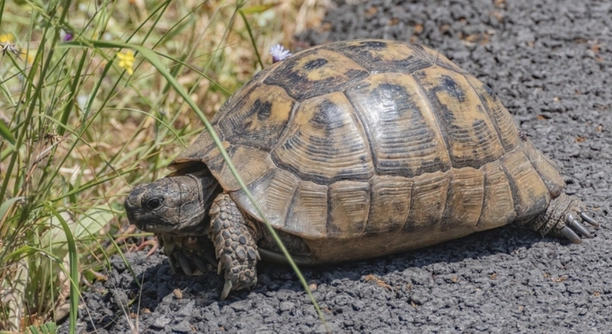
Do you ever find yourself wondering if Greek tortoises can safely enjoy blackberries as a treat? Providing a well-balanced diet is essential for their health, and knowing which fruits are safe ensures they receive proper nutrition without any risks.
Greek tortoises can eat blackberries in moderation as part of a varied diet. These berries provide beneficial antioxidants and vitamins, but their high sugar content means they should be given occasionally. Offering them alongside leafy greens and other vegetables helps maintain a balanced and healthy diet.
Blackberries can be a tasty addition, but proper portioning is key. Exploring serving suggestions will help you provide a nutritious and enjoyable treat for your tortoise.
Nutritional Benefits of Blackberries for Greek Tortoises
Blackberries provide Greek tortoises with essential vitamins and antioxidants that support their overall health. These berries contain vitamin C, which aids in immune function, and fiber, which promotes digestion. Their natural hydration benefits can also be useful, especially in warmer climates. However, due to their high sugar content, blackberries should be offered in small amounts to avoid potential digestive issues or weight gain. Including them as an occasional treat rather than a dietary staple ensures your tortoise maintains a well-balanced diet. Pairing blackberries with nutrient-rich greens and vegetables helps provide a variety of essential nutrients.
A few blackberries every now and then can add diversity to your tortoise’s meals. They should always be fresh and free from pesticides or chemicals. Wash them thoroughly before serving.
A varied diet is key to keeping your tortoise healthy. While blackberries have benefits, moderation is important. Overfeeding fruit can lead to digestive imbalances and other health concerns.
How to Serve Blackberries to Your Greek Tortoise
Offer blackberries in small portions to prevent excessive sugar intake. Cutting them into halves or smaller pieces makes them easier for your tortoise to eat. Mixing them with leafy greens and vegetables provides a balanced meal while limiting sugar consumption.
Fresh, organic blackberries are the best option, as they are free from harmful pesticides and preservatives. Always wash them before serving to remove any potential contaminants. If feeding blackberries for the first time, introduce them gradually and monitor your tortoise for any signs of digestive discomfort. Avoid offering them too frequently, as too much fruit can lead to dietary imbalances.
Another way to serve blackberries is by mashing them and mixing them with high-fiber vegetables. This prevents your tortoise from picking out only the fruit while still enjoying the added variety. Always remove uneaten food to maintain cleanliness and prevent spoilage.
How Often to Feed Blackberries to Greek Tortoises
Blackberries should only be fed occasionally to prevent excessive sugar intake. Offering them once every one to two weeks is a good guideline. This ensures your tortoise enjoys variety while maintaining a balanced diet rich in fiber and essential nutrients.
Too much fruit can lead to digestive issues, including diarrhea and imbalanced gut bacteria. Since Greek tortoises thrive on a diet primarily composed of leafy greens and fibrous plants, blackberries should never replace staple foods. Mixing a small amount with their regular diet provides enrichment without disrupting their nutritional needs. A good rule is to limit fruit to around 10% of their overall intake.
Observing your tortoise’s reaction to blackberries is important. Some may tolerate them well, while others might experience minor digestive discomfort. If you notice any changes in stool consistency or appetite, reduce or eliminate blackberries from their diet. Each tortoise has unique dietary tolerances.
Other Fruits Safe for Greek Tortoises
Several fruits can be safely included in a Greek tortoise’s diet in moderation. Apples, pears, and melons are good options, but they should always be cut into small pieces. Avoid fruits with high acidity, such as citrus, as they can cause digestive discomfort.
Berries like strawberries and raspberries are similar to blackberries in nutritional value and should also be fed sparingly. Grapes and bananas, while safe, contain high sugar levels and should only be occasional treats. Removing seeds from fruits like apples and pears is essential, as some seeds contain compounds that can be harmful.
Balancing fruit with leafy greens and fibrous vegetables is the best approach. Offering a variety of safe fruits prevents monotony while ensuring your tortoise receives a well-rounded diet. Always monitor their reaction to new foods and adjust portion sizes accordingly.
Fruits to Avoid for Greek Tortoises
Citrus fruits like oranges, lemons, and grapefruits should never be fed to Greek tortoises. Their high acidity can cause digestive irritation and discomfort. Additionally, fruits with high water content, such as watermelon, can lead to loose stools when consumed in excess.
Avocados are toxic to tortoises and should always be avoided. Rhubarb is also dangerous, as it contains oxalates that can interfere with calcium absorption. Any fruit with seeds or pits, like cherries and peaches, should be thoroughly deseeded before offering, as some contain harmful compounds that can be toxic.
Best Vegetables to Pair with Blackberries
Dark leafy greens like dandelion, collard greens, and mustard greens complement blackberries well. These vegetables provide essential fiber and minerals, helping balance out the natural sugars in fruit. Adding shredded carrots or bell peppers enhances the meal with additional vitamins while keeping the diet diverse and nutritious.
Final Thoughts
Providing blackberries in moderation can be a healthy addition to a Greek tortoise’s diet. Pairing them with nutrient-rich vegetables ensures a well-balanced meal. Always observe your tortoise’s reaction to new foods and adjust portions accordingly to maintain their overall health.
FAQ
Can Greek tortoises eat blackberries every day?
No, Greek tortoises should not eat blackberries daily. These fruits contain high sugar levels, which can lead to digestive issues and an imbalance in their diet. Feeding blackberries once every one to two weeks is a better approach to ensure they get variety without overloading on sugar.
Are blackberry seeds safe for Greek tortoises?
Yes, blackberry seeds are generally safe for Greek tortoises to eat. However, due to their small size, they can be difficult to digest in large amounts. If your tortoise eats a few seeds along with the fruit, it is unlikely to cause harm, but excessive consumption should be avoided.
Can baby Greek tortoises eat blackberries?
Baby Greek tortoises can eat blackberries, but only in very small amounts. Their diet should be primarily focused on leafy greens, fibrous plants, and calcium-rich foods to support proper growth. Offering a tiny piece of blackberry occasionally is fine, but it should not be a regular part of their meals.
What are the signs that my tortoise has eaten too many blackberries?
If your tortoise has consumed too many blackberries, you may notice loose stools, a decrease in appetite, or lethargy. The high sugar content in blackberries can disrupt their digestive system, leading to an imbalance in gut bacteria. If symptoms persist, reducing fruit intake and increasing fibrous greens can help.
Can Greek tortoises eat frozen blackberries?
Yes, Greek tortoises can eat frozen blackberries, but they should be thawed first. Cold fruit may be difficult for them to digest, and the texture changes once frozen. Thaw the blackberries to room temperature before feeding, and avoid any that have been sweetened or processed with additives.
Should I wash blackberries before giving them to my tortoise?
Always wash blackberries thoroughly before feeding them to your tortoise. Pesticides, dirt, and bacteria can remain on the surface of store-bought or garden-grown fruit. Rinsing under running water and soaking in a bowl of clean water for a few minutes helps remove any potential contaminants.
Can Greek tortoises eat blackberry leaves?
Yes, Greek tortoises can safely eat blackberry leaves. These leaves are fibrous, making them a great addition to their diet. They provide a good balance of nutrients without the high sugar content found in the fruit. Always ensure the leaves are free from pesticides before offering them.
Are dried blackberries safe for Greek tortoises?
Dried blackberries are not ideal for Greek tortoises. They have a much higher sugar concentration than fresh blackberries, making them too rich for regular consumption. Additionally, some dried fruits contain preservatives or added sugars, which should be avoided in a tortoise’s diet.
Can Greek tortoises eat blackberry stems?
Blackberry stems are not toxic, but they can be tough and difficult to chew. Some tortoises may nibble on them without issue, while others may struggle with the texture. It’s best to remove the stems and offer just the leaves and fruit for easier consumption.
How should I serve blackberries to my tortoise?
Blackberries should be served in small portions, either whole or cut into halves. Mixing them with fibrous greens like dandelion or collard greens ensures a balanced diet. Always remove any moldy or spoiled fruit before serving, as spoiled food can cause digestive problems.
Can Greek tortoises eat blackberry flowers?
Yes, Greek tortoises can eat blackberry flowers. These flowers are non-toxic and provide some nutritional benefits. They are not as sugar-heavy as the fruit, making them a good alternative. Just ensure they are free from pesticides or chemicals before offering them.
What other berries can Greek tortoises eat?
Greek tortoises can eat strawberries, raspberries, and blueberries in moderation. Like blackberries, these fruits are high in sugar and should only be occasional treats. Always introduce new fruits slowly to monitor your tortoise’s reaction and ensure they do not develop digestive issues.
Final Thoughts
Blackberries can be a part of a Greek tortoise’s diet, but they should be given in moderation. These fruits contain natural sugars, which can cause digestive problems if eaten too often. A balanced diet for Greek tortoises should consist mostly of fibrous greens, with fruits like blackberries offered only as an occasional treat. While blackberries provide some vitamins and hydration, they should not replace the essential leafy greens that tortoises need to stay healthy. Offering variety ensures that your tortoise gets the necessary nutrients without relying too much on sugary foods.
Aside from the fruit, blackberry leaves and flowers can be a good addition to their diet. These parts of the plant are fibrous and contain fewer sugars, making them a healthier choice. Leaves can provide additional roughage, which helps with digestion and mimics what tortoises would naturally eat in the wild. If you grow blackberry plants at home, you can safely offer fresh, pesticide-free leaves and flowers to your tortoise. Just make sure that any plant material is thoroughly washed before feeding. Dried blackberries and stems, however, are not ideal, as they are either too sugary or too tough for a tortoise to digest properly.
Feeding a Greek tortoise a healthy diet means focusing on variety and moderation. While blackberries are safe, they should never become a staple food. Too much fruit can lead to long-term health problems, such as obesity or an imbalanced diet. Keeping track of how often your tortoise eats fruit and ensuring it has access to high-fiber greens will support its overall well-being. A well-balanced diet, combined with a proper habitat and hydration, will help your tortoise stay active and healthy.

Hello,
If you enjoy the content that we create, please consider saying a "Thank You!" by leaving a tip.
Every little bit helps us continue crafting quality advice that supports the health, happiness, and well-being of pets around the world, for pets of all shapes, sizes, and species.
We really appreciate the kindness and support that you show us!