
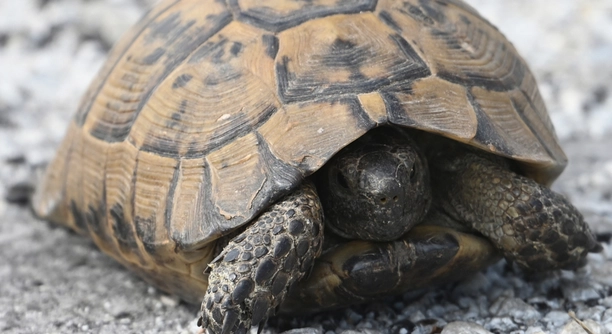
Greek tortoises are fascinating creatures, but it can be concerning when they seem to be constantly trying to flip over. Observing this behavior may raise questions about their well-being and natural instincts.
There are several potential causes for your Greek tortoise’s flipping attempts, including stress, improper habitat, or health issues. These actions may stem from an attempt to escape an uncomfortable environment or may indicate underlying health concerns requiring attention.
Understanding the factors behind this behavior will help ensure your tortoise remains happy and healthy. With some adjustments, you can prevent future issues and create a better environment for your pet.
Stress and Anxiety
Greek tortoises can experience stress in various forms, often resulting in behaviors such as trying to flip over. Environmental stressors like loud noises, sudden movements, or overcrowding can be overwhelming for these reptiles. When stressed, they might try to escape or find a more secure space. This instinctive reaction may be triggered by unfamiliar environments or rapid changes to their routine. Tortoises can also become anxious if their space feels too small or lacking in natural elements like hiding spots. These factors make them feel vulnerable, leading to attempts to flip and escape.
The key to reducing stress in your tortoise is by ensuring a calm, stable environment. Try to limit exposure to loud sounds or sudden disruptions. Creating a more spacious and naturalistic habitat will help your tortoise feel more secure and reduce anxiety.
Providing a quiet, undisturbed environment with plenty of hiding places and natural features like rocks or plants can make a significant difference. By keeping their environment as stress-free as possible, your tortoise will feel safer and less likely to engage in behaviors such as flipping over.
Improper Habitat Setup
An improper habitat setup can directly impact your tortoise’s behavior, including their constant attempts to flip. A habitat that’s too small, has incorrect temperature or humidity levels, or lacks proper lighting can make your tortoise feel disoriented and uncomfortable. A poorly designed enclosure doesn’t just lead to stress, it can also hinder your tortoise’s ability to move freely. When they are unable to navigate their environment properly, they may attempt to flip over.
It’s crucial to provide a spacious, well-equipped enclosure with the proper temperature gradient. Ensure they have access to areas where they can bask in heat as well as cool off in shaded spots. Proper lighting will also help regulate their biological rhythms.
Your tortoise’s habitat should mimic its natural environment. Providing enough space for walking, basking, and hiding will significantly reduce stress and make them feel more secure. With the right setup, your tortoise will have the space and comfort they need to thrive.
Health Issues
Health problems can lead to a tortoise’s attempt to flip over. Injuries or illnesses affecting their mobility or strength can make it difficult for them to stay upright. If your tortoise seems weak or unable to move properly, they may try to right themselves by flipping over.
Common health issues like shell deformities or digestive problems can make them physically uncomfortable. A tortoise with an injury may not have the strength to right itself if it flips over. If their health is compromised, they might attempt flipping to adjust their posture, but this can lead to further harm.
Regular checkups with a vet are essential to ensure your tortoise is healthy. If you suspect a health issue is causing the behavior, a professional diagnosis can help. Managing any underlying health concerns will ensure your tortoise’s safety and well-being, preventing unnecessary flipping and stress.
Overheating or Dehydration
Overheating is a common cause of distress for tortoises. If your tortoise’s habitat is too warm or lacks enough water, they may try to flip over as a response to feeling uncomfortable. Dehydration also contributes to weakness and disorientation, which could make them flip.
Your tortoise needs access to both heat and cooling areas in their enclosure, as well as water. Make sure the temperature is regulated with a heat source, but also allow for cooler areas. Having a shallow water dish for drinking and soaking can help your tortoise stay hydrated and comfortable.
By monitoring the temperature and humidity levels in their enclosure, you can prevent overheating and dehydration. Keeping water readily available ensures your tortoise remains well-hydrated, which is essential for its overall health. Proper hydration will help your tortoise feel more stable and avoid unnecessary flipping.
Lack of Proper Basking Spot
If your tortoise doesn’t have a proper basking area, it may try to flip over in search of warmth. A basking spot provides essential heat, which helps regulate their metabolism and digestion. Without it, your tortoise could become stressed and disoriented.
Ensure that your tortoise has access to a heat source that simulates sunlight. This can be achieved using a heat lamp or ceramic heater. The basking area should be warm enough to help them regulate their body temperature but not so hot that it causes discomfort or dehydration.
Setting up a proper basking area with the right temperature helps reduce unnecessary stress. A well-established basking spot makes your tortoise feel secure, promoting their overall health and behavior. Without a proper basking area, flipping can become a sign of their discomfort.
Limited Space for Movement
If there isn’t enough space for your tortoise to move around comfortably, it may attempt to flip over out of frustration. A cramped enclosure can leave them feeling trapped, causing anxiety and undesirable behavior.
A larger enclosure with plenty of room for exploration and exercise is necessary. Your tortoise should be able to roam freely, search for food, and bask in different areas. When space is limited, it’s easy for tortoises to feel confined, which can result in stress and flipping behavior.
Lack of Interaction
Tortoises, while independent, benefit from occasional interaction. Limited social interaction or lack of stimulation may cause them to engage in behaviors like trying to flip over. It’s essential to provide some enrichment activities to keep their minds and bodies active.
Offering different textures, hiding spots, and occasional hand feeding can help keep your tortoise engaged. These interactions mimic their natural behavior, giving them the stimulation they need. A mentally stimulated tortoise is less likely to display stress-related actions like flipping over.
FAQ
Why is my Greek tortoise constantly trying to flip over?
Tortoises may try to flip over as a way of adjusting to stress, discomfort, or environmental issues. It could be due to stress from their surroundings, an improper habitat setup, or health issues that affect their strength or movement. They may also try to flip if they feel trapped in a space that’s too small or improperly designed. Ensure that your tortoise has a spacious, well-designed habitat and that they are healthy to minimize this behavior.
How can I tell if my tortoise is stressed?
Signs of stress in tortoises include pacing, flipping, lethargy, or avoidance of food and water. A stressed tortoise may try to hide or exhibit erratic movement patterns. Watch for changes in behavior like not basking, lack of appetite, or attempting to escape their enclosure. If these signs persist, it’s essential to assess the environment and check for any other possible stress factors.
Can overheating cause my tortoise to flip over?
Yes, overheating can cause your tortoise to become disoriented and attempt to flip over. If their basking area is too hot or the overall temperature in their habitat is poorly regulated, it may cause distress. Ensure your tortoise has access to a cooler space and adjust the heat levels in the enclosure. Proper temperature gradients are crucial for their well-being.
What temperature should my tortoise’s habitat be?
Your tortoise’s habitat should have a temperature gradient, with a basking spot around 90-95°F (32-35°C) and a cooler area of about 75-85°F (24-29°C). It’s important to provide both hot and cool zones so your tortoise can regulate its body temperature. Check the temperature regularly to avoid overheating or inadequate cooling.
Is dehydration the reason for my tortoise trying to flip over?
Dehydration can contribute to discomfort and weakness in tortoises, leading them to flip over. When a tortoise is dehydrated, it may not have the strength to right itself after flipping. Provide fresh water daily, and ensure your tortoise has the opportunity to soak in shallow water to stay hydrated. A lack of water could exacerbate other health problems.
How can I prevent my tortoise from trying to flip over?
To prevent your tortoise from flipping over, ensure that their habitat is spacious, well-structured, and free from stressors. Regularly check for signs of health problems or environmental issues. Make sure there are no obstacles that could cause discomfort, and create hiding spots to make them feel safe. Offering proper nutrition and hydration will also help them feel secure.
Can my tortoise’s diet affect their behavior?
Yes, an improper diet can lead to behavioral issues. A poor diet may cause digestive discomfort, malnutrition, or other health issues that could make your tortoise feel unwell. Offer a varied diet consisting of leafy greens, vegetables, and occasional fruits. Calcium and vitamin D supplements may also be necessary to ensure their shell and overall health remain optimal.
What should I do if my tortoise flips over?
If your tortoise flips over, gently turn it back onto its feet. Avoid handling them too roughly, as this could cause stress or injury. After returning them to the right position, check for any signs of injury. If they are repeatedly flipping over or showing signs of distress, it may be a sign of health issues, and you should consult a vet.
How do I know if my tortoise has health problems?
Signs of health problems in tortoises include lethargy, difficulty moving, changes in eating habits, abnormal shell growth, or discharge from the eyes, nose, or mouth. If your tortoise is not eating, drinking, or moving as usual, it’s important to consult with a veterinarian who specializes in reptiles. Early detection of health problems can make a significant difference in their recovery.
Is it normal for my tortoise to flip over occasionally?
Occasional flipping is normal, especially if your tortoise is in an unfamiliar situation or adjusting to a new environment. However, frequent flipping can be a sign of an underlying issue such as improper habitat, stress, or health problems. It’s important to monitor the behavior and investigate possible causes if it happens regularly.
Final Thoughts
Understanding why your Greek tortoise keeps trying to flip over is essential to ensuring its well-being. This behavior is usually a sign of discomfort or stress, and it’s crucial to address the underlying causes. Proper habitat setup, including a spacious enclosure with appropriate temperature gradients, is one of the first steps to take. Tortoises need areas to bask and cool down, mimicking their natural environment. A balanced environment allows them to feel secure and reduces the chances of them attempting to flip over out of frustration or confusion.
In addition to providing a proper habitat, it’s important to pay attention to their diet and hydration. A well-fed and hydrated tortoise will be stronger and more capable of righting itself if it flips over. Malnutrition or dehydration can lead to weakness, making it harder for them to recover from flipping. Offer fresh water daily and provide a balanced diet rich in vegetables and other tortoise-friendly foods. Keep an eye out for signs of dehydration or malnutrition, as these can quickly lead to more serious health concerns.
If your tortoise continues to show signs of flipping over despite addressing the environment and diet, it may be time to consult a veterinarian. A reptile specialist can help identify any potential health issues that could be contributing to the behavior. Whether it’s a health problem or an environmental factor, getting professional help can prevent further stress or injury to your tortoise. With the right care and attention, you can ensure that your Greek tortoise stays healthy, happy, and free from unnecessary stress.

Hello,
If you enjoy the content that we create, please consider saying a "Thank You!" by leaving a tip.
Every little bit helps us continue crafting quality advice that supports the health, happiness, and well-being of pets around the world, for pets of all shapes, sizes, and species.
We really appreciate the kindness and support that you show us!