
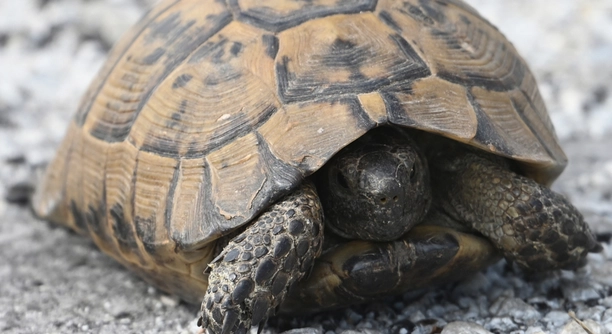
Is your Greek tortoise spending most of the day buried in its substrate? This behavior may seem unusual, but it is a natural response to various environmental and physiological factors that influence its daily routine and overall well-being.
Greek tortoises bury themselves for reasons such as thermoregulation, brumation, stress, illness, or improper habitat conditions. This instinctive behavior helps them maintain optimal body temperature, conserve energy, and protect themselves from external threats. Addressing their needs ensures a healthier and more active pet.
Understanding why your tortoise is burying itself can help you create a better environment. Exploring these seven common reasons will guide you in identifying and resolving potential issues affecting its daily habits.
Temperature Regulation
Greek tortoises rely on burrowing to regulate their body temperature. If their enclosure is too hot, they dig into the substrate to cool down. Conversely, in cooler conditions, they may bury themselves to retain warmth and maintain a stable body temperature throughout the day.
If the enclosure lacks proper temperature gradients, your tortoise may struggle to find a comfortable spot. This can result in excessive burrowing as a way to escape extreme temperatures. Ensuring the habitat has both warm basking areas and cooler zones will help prevent this behavior from becoming excessive.
A basking area between 90-95°F and a cooler zone around 75-80°F creates the right balance. Using a high-quality thermometer ensures accurate temperature monitoring. Providing adequate hiding spots can also help regulate body heat. If your tortoise continues burying itself despite optimal conditions, assessing other environmental factors is necessary to ensure its comfort.
Brumation Behavior
Some Greek tortoises bury themselves in preparation for brumation, a hibernation-like state that helps them conserve energy during colder months. This is a natural process that can begin when temperatures drop, even in indoor enclosures.
If your tortoise is entering brumation, it will become less active, eat less, and seek shelter underground. This process can last for weeks or months, depending on the temperature and seasonal changes. If you do not intend for your tortoise to brumate, maintaining stable temperatures above 75°F can prevent it.
For those allowing brumation, monitoring hydration and weight is essential. A dehydrated tortoise may struggle during this period. Ensure access to fresh water and proper humidity levels. If your tortoise seems unwell before brumation, consult a veterinarian to rule out health concerns. Proper preparation can make this process safe and stress-free for your pet.
Stress and Anxiety
Changes in the environment can cause stress, leading your tortoise to bury itself more often. Loud noises, frequent handling, or a new enclosure setup may make it feel unsafe, prompting it to seek shelter underground for security and comfort.
A stressed tortoise may also show other signs, such as reduced appetite or irregular activity patterns. Providing a quiet, stable environment with minimal disturbances helps reduce stress. Ensuring the enclosure is spacious, with plenty of hiding spots, allows your tortoise to feel secure. If stress persists, evaluate recent changes in its surroundings and make adjustments to create a calmer atmosphere.
Limiting excessive handling and avoiding sudden changes in routine can also prevent stress-related behaviors. If other pets or people frequently disturb the enclosure, consider relocating it to a quieter area. Observing your tortoise’s behavior and making gradual adjustments can help it feel more relaxed and comfortable.
Improper Substrate
The type of substrate used in the enclosure affects your tortoise’s behavior. If the material is too loose, too compact, or retains too much moisture, your tortoise may bury itself excessively to compensate for discomfort. A poor-quality substrate can also contribute to skin irritation and respiratory issues.
A suitable substrate should allow for burrowing while maintaining proper humidity levels. A mix of topsoil and coconut coir works well, providing a natural texture that supports digging without becoming too dusty. Sand should be avoided, as it can cause impaction if ingested. Keeping the substrate dry but not overly compact ensures a healthy and comfortable environment.
Regularly checking and refreshing the substrate helps prevent mold and bacteria buildup. A clean, well-maintained enclosure reduces the chances of excessive burrowing due to discomfort. Making small changes to the substrate can lead to noticeable improvements in your tortoise’s behavior.
Health Issues
Illness or dehydration can cause a tortoise to bury itself more frequently. If it is lethargic, has sunken eyes, or refuses to eat, these may be signs of an underlying health problem. A veterinary checkup can help identify and address any medical concerns.
Respiratory infections, parasites, or metabolic bone disease may also contribute to unusual burrowing behavior. Ensuring proper humidity, a well-balanced diet, and routine health checks can help prevent illness. If burrowing is accompanied by labored breathing or weight loss, immediate veterinary attention is necessary.
Incorrect Lighting and Humidity
Greek tortoises need proper lighting and humidity to stay healthy. Without enough UVB exposure, they may become inactive and bury themselves to compensate for discomfort. A high-quality UVB bulb should be provided for at least 10–12 hours daily to support overall well-being.
Lack of Enrichment
A boring environment can lead to excessive burrowing. Without enough stimulation, your tortoise may spend more time underground. Adding natural elements like rocks, logs, and plants encourages exploration and keeps it active.
FAQ
Why is my Greek tortoise burying itself all day?
There are several reasons why a Greek tortoise might bury itself throughout the day. It could be due to temperature regulation, stress, illness, or the need to brumate. It’s important to check the environment for any issues like improper temperature or humidity.
How can I tell if my tortoise is sick?
Signs of illness in tortoises include lack of appetite, lethargy, watery eyes, swollen limbs, or labored breathing. If you notice any of these symptoms, it’s essential to take your tortoise to a vet for a thorough examination.
Should I be concerned if my tortoise is hiding a lot?
Occasional hiding is normal, especially if your tortoise feels safe and secure in its environment. However, if hiding becomes excessive, it might indicate stress, poor health, or unsuitable habitat conditions. Regular monitoring of your tortoise’s behavior and habitat will help address any concerns.
What temperature should my Greek tortoise’s enclosure be?
The enclosure should have a temperature gradient, with a basking spot of around 90–95°F and a cooler area around 75–80°F. A proper temperature range ensures your tortoise can regulate its body temperature effectively and avoid excessive burrowing.
How can I create a comfortable habitat for my tortoise?
A comfortable habitat includes an appropriate substrate for burrowing, proper lighting (UVB light for 10-12 hours daily), and a balanced diet. The enclosure should be spacious enough to allow your tortoise to roam and explore, and hiding spots will help it feel secure.
How can I reduce stress in my tortoise?
Stress in tortoises can be reduced by providing a stable, quiet environment. Avoid frequent handling or sudden changes to the habitat. Make sure the enclosure is free from loud noises or other pets that may cause anxiety.
What should I do if my tortoise is not eating?
If your tortoise is not eating, check the environmental conditions first. Incorrect temperature or lighting can lead to loss of appetite. If the environment is fine and the lack of appetite persists for more than a few days, consult a veterinarian.
Can my tortoise live without UVB light?
No, UVB light is essential for a tortoise’s health as it helps them synthesize Vitamin D3, which is necessary for calcium absorption. Without UVB light, your tortoise could develop metabolic bone disease and other health problems.
What type of substrate is best for a Greek tortoise?
A mix of coconut coir and topsoil is ideal for Greek tortoises, as it allows for burrowing while maintaining proper humidity levels. Avoid using sand, as it can cause digestive issues if ingested. Make sure the substrate is kept dry to prevent mold.
How can I prevent my tortoise from burrowing too much?
Excessive burrowing may be a sign of discomfort. Ensure your tortoise’s habitat has a proper temperature gradient, adequate lighting, and proper humidity. Offering enrichment items like logs, rocks, or plants for exploration can also reduce unnecessary burrowing.
What is brumation, and is it necessary for my tortoise?
Brumation is a form of hibernation for reptiles, where they reduce activity and eating during colder months. It’s not necessary for indoor tortoises, but they may naturally attempt brumation if environmental conditions are suitable. If you don’t want your tortoise to brumate, maintain a stable temperature above 75°F.
How often should I clean my tortoise’s enclosure?
The enclosure should be cleaned regularly to ensure it remains hygienic. Spot clean daily by removing uneaten food, waste, and soiled bedding. A full substrate change should be done every few weeks or as needed, depending on how quickly it becomes soiled.
Can I feed my tortoise fruit every day?
While fruit can be offered as an occasional treat, it should not be a regular part of their diet. Greek tortoises thrive on a diet of leafy greens, flowers, and grass. Too much fruit can lead to digestive issues or obesity due to the high sugar content.
Is it okay to handle my tortoise often?
Tortoises are not typically fond of frequent handling. Excessive handling can lead to stress and behavioral issues. It’s best to handle them gently and only when necessary. Allow your tortoise to roam freely in its enclosure for exercise and mental stimulation.
How do I know if my tortoise is dehydrated?
Dehydration in tortoises can cause lethargy, sunken eyes, and dry skin. Make sure your tortoise always has access to fresh water, and offer it soaking opportunities to stay hydrated. Regularly monitor its appearance and behavior for signs of dehydration.
Can my tortoise get too hot?
Yes, if the enclosure becomes too hot, your tortoise may try to bury itself to escape the heat. Always check the basking area temperature with a thermometer and ensure the enclosure has a cooler zone for your tortoise to retreat to if necessary.
What are some signs my tortoise is happy?
A happy tortoise will display normal activity levels, a healthy appetite, and curious behavior. It will explore its environment, interact with objects in its enclosure, and display an overall interest in its surroundings. Regular observation of your tortoise will help you determine its well-being.
How long does it take for a tortoise to adjust to a new home?
It can take a few days to a few weeks for a tortoise to fully adjust to a new environment. During this time, it may hide more often or seem less active. Providing a quiet, stress-free space will help it settle in more comfortably.
Can I let my tortoise roam outside?
Yes, as long as the outside environment is safe and appropriate. Ensure the area is free from predators, pesticides, and toxic plants. Make sure your tortoise has access to shade and water during outdoor excursions, and supervise its time outside to ensure safety.
Final Thoughts
It’s natural for a Greek tortoise to bury itself occasionally, but when it becomes an all-day habit, it’s important to understand the underlying causes. Changes in behavior could be due to environmental factors, stress, or health issues. As responsible owners, we must ensure the proper temperature, lighting, and humidity in their habitat to prevent discomfort. Regular monitoring of their health and behavior is essential to detect any potential problems early on. If your tortoise’s burrowing becomes excessive, it might indicate something beyond natural behavior.
Making sure your tortoise has a suitable environment is key to reducing unwanted burrowing. A well-maintained habitat, with the right balance of warmth, light, and space, is crucial for keeping your tortoise happy and healthy. Providing enrichment, like safe areas to explore and objects to interact with, can help prevent boredom and unnecessary hiding. Avoid over-handling, as it can cause stress, and give your tortoise time to adjust to its space. Keeping a routine for feeding, cleaning, and health checkups will help establish a sense of security for your tortoise.
If you’ve ruled out environmental causes and your tortoise’s behavior doesn’t improve, seeking veterinary advice is important. Tortoises are vulnerable to various health issues, and early intervention can prevent serious complications. Always be mindful of any changes in your tortoise’s activity, appetite, or behavior. Understanding their natural instincts and needs will help you create a balanced environment that promotes their well-being. Whether it’s temperature regulation, stress management, or medical care, providing the right care will ensure that your tortoise thrives for years to come.

Hello,
If you enjoy the content that we create, please consider saying a "Thank You!" by leaving a tip.
Every little bit helps us continue crafting quality advice that supports the health, happiness, and well-being of pets around the world, for pets of all shapes, sizes, and species.
We really appreciate the kindness and support that you show us!