
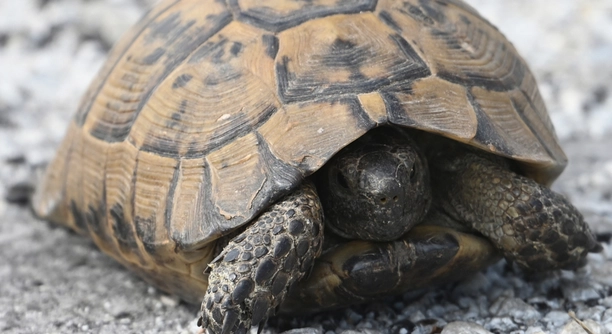
Are you wondering if Greek tortoises can safely enjoy plums as part of their diet? Feeding tortoises the right foods is essential for their health, and certain fruits may pose risks. Understanding their dietary needs helps ensure their well-being and longevity.
Greek tortoises can eat plums, but only in moderation. Plums contain natural sugars and acids that can cause digestive issues if consumed in excess. A diet primarily consisting of leafy greens, vegetables, and occasional fruit treats is best for maintaining their overall health.
Plums may seem like a tasty snack, but their high sugar content requires careful portioning. Learning how to incorporate them safely into a tortoise’s diet ensures optimal nutrition without unwanted health complications.
Nutritional Value of Plums for Greek Tortoises
Plums offer some beneficial nutrients for Greek tortoises, including vitamins A and C, fiber, and antioxidants. These elements support immune function and digestion. However, plums also contain high amounts of sugar and acidity, which can disrupt a tortoise’s digestive system if consumed too often. While occasional fruit treats are acceptable, a diet primarily consisting of leafy greens and vegetables is essential. Greek tortoises thrive on foods like dandelion greens, hibiscus leaves, and calcium-rich vegetables. Moderation is key when offering plums, as excess sugar can lead to health issues over time.
A small piece of plum once in a while can be an enjoyable treat. Too much can cause digestive discomfort or encourage a preference for sugary foods. It is best to offer plums sparingly and monitor their reaction.
When feeding plums, always remove the pit. The pit contains harmful compounds and poses a choking risk. Wash the fruit thoroughly and cut it into tiny pieces before serving.
Potential Health Risks of Plums
Greek tortoises have sensitive digestive systems that do not handle high sugar levels well. Plums, while not toxic, can cause diarrhea or bloating if consumed in excess. Their acidity may also irritate the digestive tract, leading to discomfort.
A tortoise’s diet should be well-balanced, focusing on fiber-rich foods with minimal sugar. Frequent consumption of sugary fruits like plums can lead to long-term problems, including obesity and metabolic disorders. Tortoises that develop a taste for sweet foods may start rejecting healthier options, leading to nutritional imbalances. Additionally, the high moisture content in plums can cause loose stools, which may result in dehydration if not managed properly. Owners should observe their tortoise’s behavior after introducing new foods to ensure no negative effects occur.
Limiting fruit intake and prioritizing leafy greens, flowers, and calcium-rich vegetables helps maintain a tortoise’s health. Occasional fruit treats should always be balanced with a proper diet.
How to Safely Feed Plums to Greek Tortoises
Plums should be an occasional treat, not a regular part of a Greek tortoise’s diet. A small piece once every few weeks is enough. Overfeeding fruit can cause digestive issues and impact their overall health by disrupting their nutritional balance.
Always wash plums thoroughly to remove pesticides or residues. Remove the pit, as it contains harmful compounds and poses a choking risk. Cut the fruit into tiny, manageable pieces before serving. Mixing the plum pieces with leafy greens can help prevent the tortoise from developing a preference for sugary foods. This ensures they continue eating a balanced diet while still enjoying an occasional fruit snack. Observing their behavior after feeding helps identify any signs of digestive discomfort, allowing adjustments to their diet as needed.
If a tortoise experiences diarrhea or refuses regular food after eating plums, discontinue feeding them. Stick to fiber-rich vegetables and leafy greens to maintain their digestive health. Plums should never replace staple foods in their diet.
Alternative Fruits for Greek Tortoises
Greek tortoises can safely enjoy small portions of fruits like strawberries, apples, and pears. These fruits have lower acidity and sugar levels compared to plums. Offering a variety ensures they receive different nutrients while preventing them from becoming too fixated on one type of treat.
Fruits like figs and melons can also be given occasionally, but moderation is key. Too much fruit can lead to digestive issues and disrupt their dietary balance. Always remove seeds or pits before feeding, and chop the fruit into small, bite-sized pieces to make it easier for them to eat.
Best Foods for a Balanced Diet
A Greek tortoise’s diet should primarily consist of leafy greens, edible flowers, and fibrous vegetables. Dandelion greens, hibiscus flowers, and collard greens provide essential nutrients and fiber. Calcium-rich foods like cuttlebone or calcium supplements help maintain strong shells and overall health. Hydration is also important, so fresh water should always be available.
Final Thoughts
Plums can be a tasty snack, but they should only be offered in small amounts. Prioritizing nutrient-rich greens and vegetables ensures Greek tortoises stay healthy while still enjoying occasional treats. Keeping their diet balanced helps prevent health issues and supports long-term well-being.
FAQ
Can Greek tortoises eat plums regularly?
No, Greek tortoises should not eat plums regularly. Plums contain high sugar and acidity levels, which can cause digestive problems. Feeding them too often may lead to diarrhea, bloating, or long-term health issues like obesity. It is best to offer plums only as an occasional treat.
How often can Greek tortoises have plums?
Plums should be fed sparingly, about once every few weeks at most. Even then, only a small piece should be given. Too much fruit can make a tortoise favor sugary foods over healthier options like leafy greens, leading to an unbalanced diet.
Are plum pits toxic to Greek tortoises?
Yes, plum pits are harmful to Greek tortoises. They contain cyanogenic compounds that can be toxic when ingested. The pit also poses a choking hazard and should always be removed before feeding plums. Only offer small, pit-free pieces of the fruit.
Can baby Greek tortoises eat plums?
It is best to avoid giving plums to baby Greek tortoises. Their digestive systems are still developing, and they require a diet rich in fiber and calcium for healthy growth. Stick to leafy greens, edible flowers, and calcium supplements instead of sugary fruits.
What happens if a tortoise eats too much plum?
If a Greek tortoise eats too much plum, it may experience diarrhea, bloating, or a loss of appetite for its regular food. Excessive sugar intake can lead to metabolic issues over time. If digestive problems occur, stop feeding plums and focus on fiber-rich vegetables.
What are the best fruits for Greek tortoises?
Safer fruit options include strawberries, apples, pears, and figs. These have lower sugar and acidity compared to plums. However, all fruits should be given in moderation. A Greek tortoise’s diet should still be primarily composed of leafy greens, vegetables, and edible flowers.
Can Greek tortoises eat dried plums (prunes)?
No, Greek tortoises should not eat dried plums. Prunes have even higher sugar concentrations than fresh plums, making them unsuitable for tortoises. They can cause severe digestive issues, including diarrhea and bloating, and should be completely avoided.
How should plums be prepared for a Greek tortoise?
Always wash plums thoroughly to remove pesticides or residues. Remove the pit and cut the fruit into tiny pieces. Mixing the pieces with leafy greens can help prevent the tortoise from becoming too fixated on sugary foods. Serve only a small portion at a time.
Can Greek tortoises eat plum leaves?
Plum leaves are not recommended for Greek tortoises. Some fruit tree leaves contain compounds that may be harmful when ingested. Since there is limited research on the safety of plum leaves for tortoises, it is best to stick to known safe greens like dandelion or hibiscus leaves.
Why do tortoises need a diet low in sugar?
Tortoises have slow metabolisms and digestive systems that are not designed for high-sugar foods. Too much sugar can lead to diarrhea, obesity, and metabolic disorders. Their natural diet consists mostly of fibrous plants, which help maintain a healthy digestive system.
Can Greek tortoises drink fruit juice?
No, Greek tortoises should not drink fruit juice. Even natural juices contain concentrated sugars that can upset their digestive system. They should only drink fresh water. If extra hydration is needed, offering foods with high water content, like cucumbers, is a better option.
What vegetables should be avoided in a Greek tortoise’s diet?
Avoid feeding spinach, rhubarb, and iceberg lettuce. Spinach and rhubarb contain oxalates, which interfere with calcium absorption. Iceberg lettuce has little nutritional value and can cause diarrhea. Instead, offer leafy greens like collard greens, mustard greens, and turnip greens.
Do Greek tortoises need supplements if they eat fruit?
Greek tortoises need calcium supplements regardless of fruit intake. Even with a well-balanced diet, calcium is essential for strong shells and bone health. Cuttlebone or calcium powder can be added to their diet to prevent deficiencies.
What are signs that a Greek tortoise has eaten too much fruit?
Signs include diarrhea, bloating, reduced appetite for leafy greens, and lethargy. If these symptoms appear after eating plums or other fruits, reduce fruit intake and focus on fiber-rich vegetables. If symptoms persist, consult a reptile veterinarian for guidance.
Final Thoughts
Greek tortoises require a well-balanced diet to stay healthy, and fruit should only be a small part of their meals. While plums can be given occasionally, their high sugar and acidity levels make them unsuitable for regular feeding. Too much fruit can lead to digestive issues, obesity, and long-term health problems. The best approach is to prioritize leafy greens, edible flowers, and vegetables that provide the necessary nutrients without unnecessary risks. Understanding the specific dietary needs of Greek tortoises helps ensure they live a long and healthy life.
Feeding plums in moderation requires careful preparation. The pit must always be removed due to its toxicity, and only a small, fresh piece should be offered at a time. Dried plums should be avoided entirely, as they contain too much sugar. Introducing fruits like plums too frequently can cause a tortoise to develop a preference for sweet foods, making it harder to maintain a nutritious diet. A well-balanced diet also includes calcium supplements to support strong bones and shell growth, preventing health issues caused by improper nutrition.
Observing a Greek tortoise’s reaction to food is important when introducing new items. If signs of digestive discomfort appear after eating plums, they should be removed from the diet. Providing a variety of safe, nutrient-rich foods ensures that the tortoise remains active and in good health. Maintaining proper hydration and offering fresh water at all times is also essential. A responsible feeding approach improves overall well-being and contributes to a better quality of life for the tortoise.

Hello,
If you enjoy the content that we create, please consider saying a "Thank You!" by leaving a tip.
Every little bit helps us continue crafting quality advice that supports the health, happiness, and well-being of pets around the world, for pets of all shapes, sizes, and species.
We really appreciate the kindness and support that you show us!