
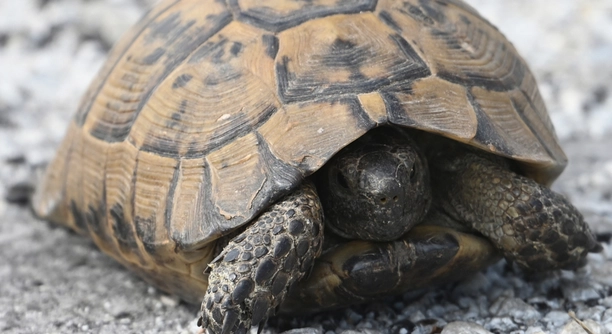
Greek tortoises are popular pets, but it’s essential to keep an eye on their health. Overweight tortoises can face numerous health problems, affecting their mobility and overall well-being. Here’s how to recognize if your tortoise is carrying excess weight.
The simplest way to tell if a Greek tortoise is overweight is by observing its shell and limbs. If the shell appears unusually wide and the limbs appear less defined, it may indicate that your tortoise is carrying extra weight.
Understanding how to spot the signs of an overweight Greek tortoise will help you provide the best care and prevent health issues down the road.
1. Observing Your Tortoise’s Shell Shape
A Greek tortoise’s shell is a good indicator of its overall health. An overweight tortoise may have a more rounded, protruding shell, which can make it harder for them to move around comfortably. If your tortoise’s shell looks wider or puffier than usual, it’s a sign that they could be carrying extra weight. The shape of the shell should be smooth and compact, not bloated. Pay attention to these changes over time to help keep your pet healthy and avoid any complications.
A healthy Greek tortoise should have a shell that is proportionate to its size. If you notice the shell becoming more bulbous, take action before it impacts your tortoise’s quality of life.
Regular check-ups and observing changes in the shell’s shape can prevent further issues. If your tortoise’s shell has noticeable changes, it may be time to adjust its diet and exercise routine to promote healthier growth and maintain a proper weight.
2. Checking the Limbs and Mobility
It’s essential to observe your tortoise’s limbs as well. Overweight tortoises may experience difficulty moving, particularly if the excess weight is affecting their legs. Their limbs may appear less defined, with the muscles obscured by excess fat. A lack of mobility can lead to other health problems, such as joint issues or fatigue.
Mobility is crucial for your tortoise’s well-being. Overweight tortoises might struggle to climb or walk, which impacts their ability to forage or explore.
Over time, restricted movement from excess weight can also cause your tortoise stress, making it less active and more prone to boredom. When your tortoise is able to move freely, it’s a clear sign that it is healthier. If there is a noticeable lack of mobility, it’s a strong indication that weight management needs attention. The solution may include adjusting its diet or providing more opportunities for exercise.
3. Examining the Tortoise’s Diet
A Greek tortoise’s diet plays a major role in maintaining a healthy weight. If they’re consuming too many high-calorie foods, such as fruits or high-fat vegetables, they may gain unnecessary weight. Stick to a diet primarily made up of high-fiber greens and plants like dandelions, clover, and grasses.
If your tortoise has access to too many fatty foods, their weight will increase quickly. Adjusting their diet to focus more on leafy greens and cutting back on the high-calorie treats will help regulate their weight. Consistency is key to ensuring they stay at a healthy weight.
It’s also important to avoid overfeeding, which can happen when you offer too much food in one sitting. Smaller portions, served regularly throughout the day, can help your tortoise maintain a steady weight. Keeping track of what you feed them can make a big difference in their overall health and comfort.
4. Assessing the Tortoise’s Activity Level
An overweight tortoise often shows signs of reduced activity. If your tortoise is not as active as before or seems to avoid movement, it could be a sign that the extra weight is affecting their energy levels. A lack of exercise can also contribute to weight gain, creating a cycle that’s hard to break.
Physical activity helps regulate a tortoise’s metabolism, supporting a healthy weight. Provide your tortoise with a safe, stimulating environment where they can roam, climb, and explore. This will encourage natural movement and keep their muscles toned. If your tortoise’s activity level decreases, try adjusting their enclosure to make it more engaging.
Creating a space where your tortoise feels encouraged to move around can help combat inactivity. You can add small ramps, rocks to climb, or even scatter food in different spots to make them work for it. The more movement they get, the better it will be for managing their weight.
5. Monitoring Weight Regularly
Regularly weighing your tortoise is the most reliable way to track their health. Weighing once a month will help you notice any gradual weight gain that could signal an issue. It’s important to use an accurate scale to ensure the readings are correct each time.
Keep a record of your tortoise’s weight over time. This will help you spot any trends, allowing you to address issues early. If you notice a sudden weight increase, it’s time to evaluate their diet and exercise routine. Regular checks are an easy way to ensure their health remains on track.
6. Recognizing Changes in Behavior
Overweight tortoises often show changes in their behavior. They may seem more lethargic, less interested in moving, or avoid foraging. These behaviors can be signs that they are struggling with extra weight. Monitoring these changes can help you act quickly before further complications arise.
Behavior changes are often linked to physical discomfort. If your tortoise starts becoming inactive or shows little interest in their usual activities, the weight may be affecting their well-being. Keep an eye on their mood and behavior to detect early signs of weight-related stress.
7. Providing Proper Enclosure Space
Having enough space in their enclosure is essential for a healthy Greek tortoise. If the space is too small, they might not get enough exercise, leading to weight gain. Make sure the area is large enough for them to move freely, encouraging activity.
A larger enclosure allows your tortoise to roam, which naturally supports a healthy weight. Make sure it includes hiding spots, climbing areas, and room to stretch out. The more space they have, the more likely they are to stay active and burn off any extra calories.
FAQ
How can I tell if my Greek tortoise is overweight?
A Greek tortoise is considered overweight if its shell appears wider than usual, and its limbs are less defined. Overweight tortoises may also show signs of reduced mobility, such as difficulty walking or climbing. If your tortoise’s body appears rounded and lacks muscle tone, it might be carrying extra weight. You should also regularly weigh your tortoise to track any weight gain over time. If they consistently gain weight, it’s a good idea to adjust their diet and encourage more exercise.
What should I feed my Greek tortoise to maintain a healthy weight?
A Greek tortoise’s diet should mainly consist of high-fiber greens and grasses, such as dandelion, clover, and various wild plants. Limit high-calorie foods like fruits and fatty vegetables. Too much fruit can lead to unnecessary weight gain. Stick to a diet of about 80% fiber-rich plants, with small amounts of fruits and vegetables like squash or bell peppers occasionally. A well-balanced diet helps your tortoise stay healthy and maintain a proper weight without gaining excess fat.
How often should I feed my tortoise?
Feeding your tortoise once a day is usually sufficient. However, you can adjust the amount based on their activity level and weight. Offer them a portion of food that they can finish within a few hours. Overfeeding can quickly lead to weight gain, so portion control is important. Pay attention to how much food they leave behind. If there’s a lot of food left over consistently, it’s likely you’re giving them too much.
How much exercise does my tortoise need?
Greek tortoises need daily physical activity. A spacious enclosure encourages natural behaviors like climbing, foraging, and exploring, which help them stay active. Make sure they have enough room to move around freely. You can also take them outside in a safe area, letting them wander and explore. The more active your tortoise is, the more calories they burn, which helps keep them at a healthy weight.
Is it okay for my tortoise to lose weight?
Yes, it’s okay for your tortoise to lose weight if they’re overweight. Gradual weight loss is a healthy process, but it’s important not to let them lose weight too quickly. Rapid weight loss can cause stress or other health issues. If you’re adjusting their diet or exercise routine, keep track of their weight regularly to ensure it’s a steady and healthy loss. If you notice significant weight loss or any signs of illness, consult a vet to ensure they’re losing weight safely.
Can I give my tortoise treats?
Yes, but treats should be given in moderation. Greek tortoises can enjoy small amounts of fruit, such as strawberries or melon, but these should not make up the majority of their diet. Avoid fatty foods like cheese, nuts, or animal proteins, as these can contribute to weight gain. Use treats to encourage positive behaviors or as a special reward, but don’t overdo it. Maintaining a healthy balance between greens and occasional treats will help your tortoise stay at a proper weight.
What should I do if my tortoise refuses to eat?
If your tortoise refuses to eat, it might be a sign of stress, illness, or environmental changes. Check if the temperature, humidity, and lighting in their enclosure are appropriate. If everything seems in order and they’re still not eating, it could be a health issue, and you should consult a veterinarian. Sometimes, tortoises may also refuse food if they’re hibernating or not feeling well. Make sure they have access to fresh water at all times, as dehydration can also cause a lack of appetite.
How can I encourage my tortoise to be more active?
Providing a larger, stimulating environment can encourage your tortoise to move more. Include ramps, rocks, and varied terrain to keep them interested. You can also scatter their food around the enclosure to make them work for it, which promotes activity. Taking your tortoise outside in a safe, controlled space can give them the chance to explore more, helping them stay active. Regular physical activity will help keep their weight in check and their muscles strong.
Is it safe to let my tortoise roam freely outside?
Yes, but only in a secure, enclosed area where they cannot escape or be harmed. Make sure the area is free from predators, such as dogs or birds of prey. Also, be cautious of the temperature, as tortoises are sensitive to extreme heat or cold. Allowing them to roam in a safe outdoor environment can provide beneficial exercise and mental stimulation. Just be sure to supervise them, especially if they’re unfamiliar with the area, to keep them safe.
What signs should I look for if my tortoise is overweight?
Signs of an overweight Greek tortoise include a wider or puffier shell, less defined limbs, difficulty moving, and lack of activity. If they seem lethargic or have trouble climbing or walking, the excess weight may be affecting their mobility. Keep an eye on their behavior and physical condition. If these signs persist, adjust their diet and increase their activity level.
Final Thoughts
Keeping your Greek tortoise at a healthy weight is important for its overall well-being. Regular monitoring of its diet, exercise, and weight can help prevent obesity-related health issues. A balanced diet consisting of high-fiber greens and limited fruits will provide the nutrition your tortoise needs without contributing to weight gain. Overfeeding should be avoided, and it’s essential to control portion sizes based on their needs and activity levels. Along with a proper diet, regular physical activity is crucial for maintaining a healthy weight and ensuring your tortoise stays active.
Providing enough space for your tortoise to move around in its enclosure is also vital. A larger area with various objects to climb on and hide in will encourage more natural behaviors, such as foraging and exploring. These activities promote exercise and help to keep them fit. Taking your tortoise outside in a secure, safe environment is another good way to encourage them to move. The more they explore and stay active, the better their chances of maintaining a healthy weight. Inactivity, on the other hand, can quickly lead to weight gain and health complications.
Lastly, regular weight checks are a simple and effective way to track your tortoise’s health. If you notice any signs of weight gain or loss, adjust its diet and exercise routine accordingly. Keeping a record of its weight can help spot trends and make it easier to notice changes over time. If you’re ever unsure or if your tortoise shows signs of health issues, consult a veterinarian for professional advice. Maintaining a healthy weight for your Greek tortoise will ensure a long and happy life.

Hello,
If you enjoy the content that we create, please consider saying a "Thank You!" by leaving a tip.
Every little bit helps us continue crafting quality advice that supports the health, happiness, and well-being of pets around the world, for pets of all shapes, sizes, and species.
We really appreciate the kindness and support that you show us!