
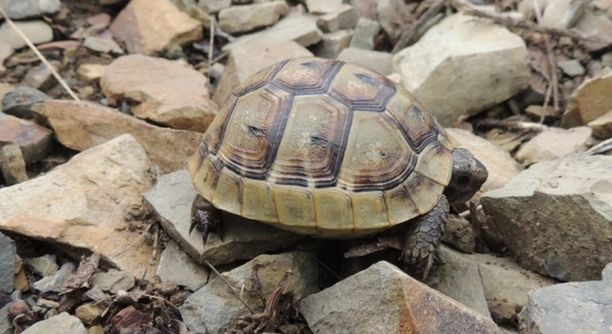
Greek tortoises are known for their unique behaviors, and one peculiar action that may concern owners is when they blow bubbles from their nose. While this can be alarming, it’s essential to understand the underlying causes.
The main cause of this behavior is often respiratory issues, such as infections or inflammation. Greek tortoises, like other reptiles, are prone to respiratory infections, which can cause nasal discharge and bubbling. Other factors, like humidity levels and stress, can contribute as well.
Understanding these causes will help you take the right steps to ensure your tortoise stays healthy and comfortable.
Respiratory Infections and Their Impact
When a Greek tortoise starts blowing bubbles from its nose, the most likely cause is a respiratory infection. These infections can be triggered by factors like a sudden drop in temperature or exposure to drafts. Respiratory illnesses can affect the tortoise’s ability to breathe properly, causing discharge or bubbling from the nose. It’s crucial to identify these infections early to prevent further complications.
A veterinarian’s advice will be essential to ensure your tortoise receives the correct treatment, which often includes antibiotics or changes in its environment to address the underlying cause.
Keeping the habitat at the right temperature and humidity level can help prevent these infections. Be mindful of changes in behavior or appetite, as these can signal an ongoing issue. Regular checkups will help detect infections early and provide peace of mind for both you and your tortoise.
Environmental Factors at Play
Changes in temperature or humidity can also cause respiratory problems in tortoises. If their habitat becomes too cold or too damp, it can lead to discomfort and illness.
Adjusting the tortoise’s environment to meet its specific needs is key. A steady temperature range between 75°F and 85°F is ideal for their health. The humidity levels should be maintained at around 50% to avoid stress. A warm basking area is essential for proper digestion and overall well-being. If you notice bubbles from the nose, check the enclosure for any changes in these factors.
Stress from inadequate conditions can also make tortoises more susceptible to infections. If their environment is not properly managed, it can weaken their immune system, making them more vulnerable to illness. Monitoring their space regularly will help avoid these issues.
Stress and Its Effect on Your Tortoise
Stress is another common factor that may cause bubbling from the nose. Greek tortoises are sensitive creatures and can react to changes in their environment. Stressors like loud noises, sudden movements, or even a lack of space can lead to discomfort, triggering respiratory symptoms.
When a tortoise feels stressed, its immune system can weaken, making it more susceptible to infections. Keeping their enclosure calm, quiet, and secure is vital for their overall health. Stress can also be caused by handling too much or the introduction of new pets into their environment. Consistency is key to ensuring your tortoise feels safe and relaxed.
If you notice your tortoise showing signs of stress, it’s essential to address the issue immediately. Reducing disruptions in their space, maintaining a consistent routine, and providing proper hiding spots can help alleviate tension. Always give your tortoise time to acclimate to new changes, and try to minimize unnecessary handling.
Dehydration and Its Impact
Dehydration is another issue that may cause a tortoise to blow bubbles. If your tortoise isn’t getting enough water, it can lead to respiratory problems and other health issues. A dry environment or insufficient access to water can quickly lead to dehydration.
Make sure to provide a shallow water dish large enough for the tortoise to drink from and soak in if needed. Additionally, misting the enclosure can help keep humidity levels in check, which prevents dehydration. Dehydration also weakens the immune system, making it more difficult for the tortoise to fight off infections.
Proper hydration should be part of your regular care routine. Providing water in a shallow dish and allowing your tortoise to soak will help maintain a healthy hydration balance. Monitoring its drinking habits and ensuring the water is clean and accessible will go a long way in preventing dehydration-related issues.
Nutritional Deficiencies
A lack of proper nutrition can also contribute to nasal discharge in Greek tortoises. Without the right balance of vitamins and minerals, their immune system can become compromised, making them more prone to infections and respiratory issues.
To avoid nutritional deficiencies, ensure that your tortoise has a well-balanced diet. Offer a variety of leafy greens, vegetables, and occasional fruits. A calcium supplement may also be beneficial for bone health. This balanced approach supports not only respiratory health but also overall well-being, helping prevent potential health problems.
Infections from Other Tortoises
If your Greek tortoise is housed with other tortoises, infections may be spread between them. In crowded or unsanitary conditions, respiratory infections can be passed easily, causing symptoms like nasal discharge and bubbling.
To prevent this, maintain a clean habitat and monitor the health of each tortoise. Regularly disinfect their living spaces to reduce the risk of infection. If one tortoise shows symptoms of illness, separate it from the others until it’s fully treated to avoid further spreading.
FAQ
Why is my Greek tortoise blowing bubbles from its nose?
Blowing bubbles from the nose is often a sign of a respiratory infection or illness. This could be caused by environmental factors like poor humidity or temperature changes. It may also indicate stress, dehydration, or inadequate nutrition. If the bubbling continues, it’s best to consult with a veterinarian to diagnose the issue and get appropriate treatment.
How can I tell if my tortoise has a respiratory infection?
Signs of a respiratory infection in a tortoise include nasal discharge, bubbles from the nose, wheezing, and labored breathing. They may also become lethargic, lose their appetite, or have swollen eyes. If you notice any of these signs, take your tortoise to the vet for evaluation and treatment. Early intervention is crucial to prevent complications.
What should the ideal temperature and humidity be for a Greek tortoise?
Greek tortoises thrive in an environment with a temperature range of 75°F to 85°F during the day, with a basking spot around 95°F. Night temperatures should drop to around 65°F to 70°F. The humidity should be maintained at around 50%, but it’s important to mist their enclosure occasionally to ensure they don’t become dehydrated.
Can stress cause a Greek tortoise to get sick?
Yes, stress can weaken a tortoise’s immune system, making it more susceptible to infections. Factors like loud noises, changes in the environment, or overcrowding can cause stress in tortoises. Ensuring a stable and quiet environment will help your tortoise stay healthy and reduce the risk of stress-related illness.
What can I do to reduce stress for my tortoise?
To reduce stress, provide your tortoise with a quiet, stable environment. Avoid loud noises, sudden movements, and excessive handling. Ensure that its enclosure is spacious enough, with plenty of hiding spots, so it feels secure. Keep its habitat consistent, and avoid sudden changes that may cause anxiety.
How do I know if my tortoise is dehydrated?
Signs of dehydration include sunken eyes, lethargy, dry skin, and a lack of appetite. You may also notice that your tortoise is not drinking water or soaking. To prevent dehydration, make sure your tortoise always has access to fresh, clean water, and provide a shallow dish for soaking. Misting the enclosure occasionally can also help maintain proper hydration levels.
Can I treat my tortoise at home if it has a respiratory infection?
While it’s important to seek professional veterinary care for any serious illness, you can help support your tortoise’s recovery at home by adjusting the temperature and humidity in its enclosure. Keeping the tortoise warm and ensuring the environment is clean and free from drafts will aid in its recovery. However, antibiotics or other treatments prescribed by a vet are often necessary for treating respiratory infections.
Is it normal for a Greek tortoise to eat less when it’s sick?
Yes, a sick tortoise may lose its appetite. If your tortoise isn’t eating or drinking, it could be a sign of illness, stress, or discomfort. Monitor your tortoise closely, and if the lack of appetite persists, consult a vet. Not eating for extended periods can lead to dehydration or other complications.
How do I prevent respiratory infections in my tortoise?
To prevent respiratory infections, maintain proper environmental conditions, including temperature, humidity, and cleanliness. Regularly clean your tortoise’s enclosure and avoid exposure to drafts or sudden temperature changes. Also, ensure your tortoise has a balanced diet with enough vitamins and minerals to support its immune system. Keeping your tortoise’s habitat stress-free is equally important for preventing illness.
Can a Greek tortoise recover from a respiratory infection?
Yes, with proper treatment and care, most tortoises can recover from respiratory infections. Early detection and intervention are key. Your vet may prescribe antibiotics and recommend environmental adjustments to help with recovery. Make sure to follow the vet’s instructions carefully and monitor your tortoise’s progress regularly.
What kind of diet is best for a Greek tortoise?
A healthy, balanced diet is crucial for a Greek tortoise’s well-being. Offer a variety of leafy greens like dandelion, collard greens, and kale. Vegetables such as squash, bell peppers, and carrots are also good options. Occasional fruits like berries and apples can be provided as treats. Avoid feeding high-protein foods, as they can cause kidney problems over time.
How often should I feed my Greek tortoise?
Greek tortoises typically eat every other day. Adult tortoises do not require daily feeding, but juvenile tortoises may need to be fed more frequently. Offer enough food to last 24 to 48 hours, and always remove any uneaten food to prevent spoilage. Providing fresh, clean water daily is just as important.
Why is my tortoise’s nose swollen?
A swollen nose could be a sign of a respiratory infection or abscess. If your tortoise has nasal swelling along with other symptoms like nasal discharge or difficulty breathing, it’s essential to visit a veterinarian. Swelling may indicate an infection that requires prompt treatment to avoid complications.
Should I separate sick tortoises from healthy ones?
Yes, if you have multiple tortoises and one is showing signs of illness, it’s best to separate it from the others. Infections can spread quickly, especially if they share the same living space. Keeping sick tortoises in isolation will help prevent the illness from affecting the rest of the group.
How long does it take for a Greek tortoise to recover from a respiratory infection?
Recovery time depends on the severity of the infection and how quickly treatment is started. With proper care, your tortoise may start to show signs of improvement within a week or two. However, full recovery could take longer. Continue to follow your vet’s advice and monitor your tortoise closely.
What should I do if my tortoise refuses to drink water?
If your tortoise is refusing to drink, try offering water in different ways. You can soak it in lukewarm water for about 15 to 20 minutes to encourage hydration. If this doesn’t work, consult your veterinarian to rule out any health issues. A lack of drinking may indicate illness or dehydration.
Is it okay for my tortoise to share its enclosure with other reptiles?
It’s generally not recommended to house different species of reptiles together, as they have varying temperature, humidity, and dietary needs. Tortoises, in particular, are solitary creatures that may experience stress or become sick if housed with other reptiles. To ensure the well-being of each pet, it’s best to keep them in separate enclosures.
Final Thoughts
Understanding why your Greek tortoise may be blowing bubbles from its nose is crucial for ensuring its health and well-being. Respiratory infections and environmental stress are common causes, but with the right care, most tortoises can recover. It’s important to stay vigilant and recognize any signs of illness early on to prevent complications. If you notice any unusual symptoms, such as nasal discharge, wheezing, or lethargy, it’s best to consult with a veterinarian. Early intervention can make a significant difference in the recovery process.
Maintaining a proper environment for your tortoise is essential. Keep the temperature and humidity levels in check to prevent respiratory issues. Make sure your tortoise’s enclosure is clean, well-ventilated, and free from drafts. Dehydration can also lead to health problems, so ensure your tortoise has access to fresh water and the opportunity to soak regularly. A balanced diet of leafy greens and vegetables will help boost its immune system and keep it healthy. Providing a stress-free environment is just as important for preventing illnesses like respiratory infections.
In conclusion, taking the necessary steps to provide a healthy habitat and prompt care when needed will help your Greek tortoise thrive. Always be proactive about your tortoise’s health, and don’t hesitate to seek professional help if you notice any changes in behavior. With proper attention, your tortoise can live a long, happy life. By understanding the causes of nasal bubbling and addressing them, you can ensure your tortoise stays comfortable and free from illness. Keeping your tortoise’s environment stable and providing a nutritious diet will support its overall health for years to come.

Hello,
If you enjoy the content that we create, please consider saying a "Thank You!" by leaving a tip.
Every little bit helps us continue crafting quality advice that supports the health, happiness, and well-being of pets around the world, for pets of all shapes, sizes, and species.
We really appreciate the kindness and support that you show us!