
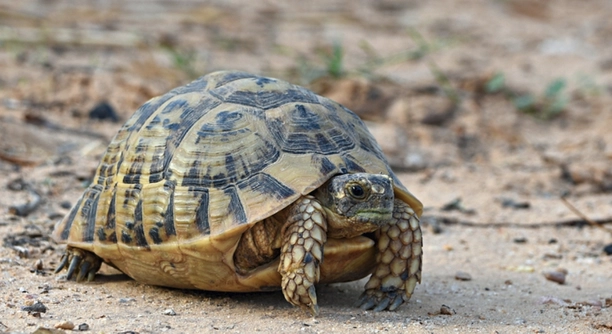
A Greek tortoise’s skin turning pink can be concerning for any pet owner. It’s important to know that various factors can contribute to this change in appearance. Understanding these causes can help ensure your tortoise’s health and well-being.
The skin of a Greek tortoise may turn pink due to factors such as stress, environmental changes, diet imbalances, or bacterial infections. Temperature fluctuations and shedding can also contribute to color changes, though some conditions may require veterinary attention.
Addressing the underlying causes can help restore your tortoise’s natural color and overall health.
Stress and Environmental Changes
Stress is one of the most common reasons for a Greek tortoise’s skin turning pink. If your tortoise feels threatened, stressed, or uncomfortable in its environment, its skin might show signs of this. Changes in habitat, like moving to a new enclosure or loud noises, can be unsettling. It’s essential to provide a calm, consistent environment. A well-lit, clean, and spacious habitat can reduce anxiety, helping your tortoise feel safe. When this is addressed, the skin often returns to its normal color.
Sometimes, it’s the temperature fluctuations that add to the stress. Greek tortoises thrive in a controlled environment with stable temperatures. Rapid shifts, especially from warmth to coolness, can trigger a stress response, leading to skin changes. Keeping the enclosure’s temperature consistent will promote better health.
Maintaining the right humidity level and ensuring your tortoise gets the proper UVB lighting are also crucial. Both factors impact its immune system and overall well-being, reducing stress levels. A peaceful, temperature-stable environment helps your tortoise thrive and reduces the risk of skin changes caused by stress.
Improper Diet and Vitamin Deficiency
A poor diet can also affect your Greek tortoise’s skin health. Without proper nutrients, your tortoise’s skin may appear discolored or unhealthy. A balanced diet rich in fiber and essential vitamins is key to maintaining healthy skin. Feeding your tortoise a mix of leafy greens and occasional fruits will support its natural appearance and vitality.
A diet lacking in vitamins A, D, or calcium can cause various health issues, including changes in skin tone. If your tortoise’s skin turns pink, it might be signaling a deficiency. Providing fresh, nutrient-rich food along with supplements as needed will keep your tortoise’s skin healthy.
Bacterial Infections
Bacterial infections are another reason for a Greek tortoise’s skin to turn pink. If your tortoise is suffering from an infection, its skin might change color, becoming red or pinkish. Infections often come with other symptoms like lethargy, loss of appetite, or swelling.
Proper hygiene and maintaining a clean enclosure can help prevent bacterial growth. Regularly disinfect the tank, provide clean water, and avoid overcrowding, which can increase the risk of infections. If your tortoise shows signs of infection, such as pink skin, consult a vet for treatment. Bacterial infections can be serious, so it’s important to act quickly.
If your tortoise has an infection, the veterinarian may prescribe antibiotics or other treatments to address the condition. It’s vital to follow the prescribed treatment plan to ensure your tortoise heals properly and its skin returns to normal. In some cases, infections can lead to long-term health problems if left untreated.
Temperature Fluctuations
Greek tortoises are sensitive to temperature changes. Sudden shifts in temperature, especially if they go from warm to cool, can stress the tortoise and cause skin color changes. It’s important to maintain a stable, appropriate temperature range in their enclosure.
If the temperature fluctuates too much, it can lead to stress, which might cause the tortoise’s skin to turn pink. To prevent this, ensure that the heating system in your tortoise’s habitat is functioning correctly. The warm side of the tank should be around 85-90°F, while the cooler side should be 70-75°F. Maintaining these temperatures will keep your tortoise comfortable and healthy.
By keeping the temperature steady, you help your tortoise feel secure and reduce the chance of color changes related to stress or temperature shifts. Consider using a thermometer to monitor the tank’s temperature accurately, ensuring a comfortable environment for your pet.
Shedding Process
During the shedding process, a Greek tortoise’s skin may appear pinkish. This is a normal part of its growth, as old skin is replaced with fresh layers. Shedding can happen in patches and may cause temporary color changes.
To support this process, ensure your tortoise has a humid environment. A slightly moist environment can help the skin shed more easily. Avoid handling your tortoise too much during this time, as it can stress them out, which may interfere with the shedding process.
Once the shed is complete, your tortoise’s skin should return to its usual color. If the skin doesn’t shed properly, you may need to assist by increasing humidity or consulting a vet for advice.
Poor Lighting
Lack of proper UVB lighting can also affect your tortoise’s skin. Without adequate UVB exposure, tortoises can develop health issues that lead to discoloration. Over time, this can result in an overall unhealthy appearance.
UVB lighting helps your tortoise absorb calcium and supports its immune system. Inadequate lighting may lead to a weak immune system, making the skin more prone to infection or other issues that cause color changes. Using a UVB bulb in your tortoise’s enclosure is essential for maintaining their health.
Ensure the UVB light is the correct type and provides enough exposure time each day to keep your tortoise thriving. Without this lighting, skin issues and other health problems may arise.
FAQ
Why does my Greek tortoise’s skin turn pink?
There are several reasons why a Greek tortoise’s skin may turn pink. It could be due to stress, poor environmental conditions, diet deficiencies, bacterial infections, or even the shedding process. Each cause can result in slight changes to their skin color. Stress from changes in their environment, such as moving to a new tank, can cause their skin to appear pink. Environmental factors, like improper temperature or humidity, can also be at fault. A lack of UVB light or an imbalanced diet with insufficient vitamins can weaken their immune system, leading to pink skin. Bacterial infections can be more serious, so a vet’s intervention may be needed.
How do I know if my tortoise has an infection?
If your tortoise’s skin is turning pink and you’re concerned about an infection, look for additional signs. Infections often come with swelling, discharge, or lethargy. A healthy tortoise should be active and alert, so if you notice them becoming unusually slow or inactive, it could indicate a problem. Skin irritation, ulcers, or unusual spots might also point to an infection. In these cases, it’s best to consult a vet immediately. Prompt treatment can prevent the infection from worsening and affecting your tortoise’s overall health.
Can I treat my tortoise’s skin problems at home?
While some skin issues, like shedding or minor stress reactions, can be managed at home with proper habitat adjustments, infections and serious conditions require professional care. Ensure your tortoise has a clean, stable environment with proper temperature, humidity, and lighting. If the issue is related to diet, make sure your tortoise is getting the right nutrients. For infections or signs of illness, it’s always recommended to seek advice from a vet. Home remedies might work for minor issues, but when in doubt, a vet’s assessment is always the safest option.
How can I prevent my tortoise’s skin from turning pink?
To prevent your tortoise’s skin from turning pink, maintain a healthy and stable environment. Ensure the temperature in their enclosure stays consistent, ideally between 70°F to 90°F, with proper basking areas. Humidity levels should also be monitored to prevent skin dryness or shedding problems. A UVB light is essential to help your tortoise absorb calcium and keep its immune system strong. Offer a balanced diet rich in vitamins A, D, and calcium, and avoid sudden changes that could stress them out. Regular checkups with a vet can also help catch any potential issues early.
What should I do if my tortoise’s skin turns pink due to stress?
If your tortoise’s skin turns pink due to stress, the first step is to identify the cause of the stress. It could be a change in its environment, like a new tank setup or loud noises. Make sure your tortoise’s home is quiet and peaceful, with no sudden disruptions. Check that the temperature and humidity levels are within the ideal range. Give your tortoise time to adjust to any changes, and avoid handling it too much during this period. Reducing stress will help return its skin color to normal.
Is it normal for my tortoise’s skin to turn pink during shedding?
Yes, it’s completely normal for a tortoise’s skin to turn pink during the shedding process. When tortoises shed, the old skin comes off, and new skin replaces it. The skin may appear slightly discolored during this time, but this is temporary. To assist in the shedding process, make sure your tortoise has the right humidity levels and a comfortable environment. Overhandling during this period can cause additional stress, so it’s best to leave your tortoise undisturbed while it sheds. After shedding, the skin will return to its normal color.
Can a vitamin deficiency cause my tortoise’s skin to turn pink?
A vitamin deficiency, particularly a lack of vitamin A, D, or calcium, can lead to skin issues, including a pinkish hue. These vitamins play an essential role in maintaining healthy skin and immune function. Without the proper nutrients, your tortoise’s skin may become more vulnerable to infection or stress, leading to discoloration. To address this, ensure your tortoise’s diet includes a variety of leafy greens, fruits, and occasional supplements. If you’re unsure about your tortoise’s dietary needs, a vet can guide you on the right balance of vitamins.
How long does it take for my tortoise’s skin to return to normal?
The time it takes for your tortoise’s skin to return to its normal color depends on the cause of the discoloration. If the change is due to shedding, it might take a few days to a week for the new skin to fully emerge. For stress-related pinkness, it could take a few days to a week for the skin to return to normal once the stressor is removed. If the issue is related to a vitamin deficiency, it may take a few weeks of proper diet adjustments for the skin to recover. In the case of infections, the skin may take longer to heal, especially with proper treatment.
Should I be concerned if my tortoise’s skin stays pink for a long time?
If your tortoise’s skin remains pink for an extended period, it’s worth monitoring closely. While shedding, stress, or environmental changes can cause temporary discoloration, prolonged pink skin could indicate an underlying health issue. It’s especially concerning if the tortoise is showing other signs of illness, such as lethargy or loss of appetite. In these cases, it’s important to consult a vet for a proper diagnosis. A vet can identify the root cause and help you address any potential problems before they worsen.
Final Thoughts
A Greek tortoise’s skin turning pink can be alarming, but it’s often due to common causes like stress, shedding, or environmental changes. In many cases, the skin will return to its normal color after a period of adjustment or once the cause of the change is addressed. It’s important to remain patient and observe your tortoise closely. As long as there are no other signs of severe illness, such as lethargy, discharge, or swelling, the situation may not be urgent.
Making sure your tortoise has a healthy environment plays a big role in preventing skin issues. This includes maintaining proper temperature, humidity, and UVB lighting. A stable and calm environment also reduces stress, one of the main triggers for skin color changes. Providing a balanced diet with essential nutrients helps maintain the tortoise’s overall health, which in turn keeps the skin looking healthy. Avoiding sudden changes in its routine can also help reduce stress-related skin issues.
However, if the pink skin persists or is accompanied by signs of infection, a visit to the vet is essential. Professional care can help rule out more serious problems and provide you with advice on how to improve your tortoise’s health. In most cases, the issue can be resolved with a few simple adjustments, but a vet’s guidance is always the best course of action when dealing with persistent or concerning symptoms.

Hello,
If you enjoy the content that we create, please consider saying a "Thank You!" by leaving a tip.
Every little bit helps us continue crafting quality advice that supports the health, happiness, and well-being of pets around the world, for pets of all shapes, sizes, and species.
We really appreciate the kindness and support that you show us!