
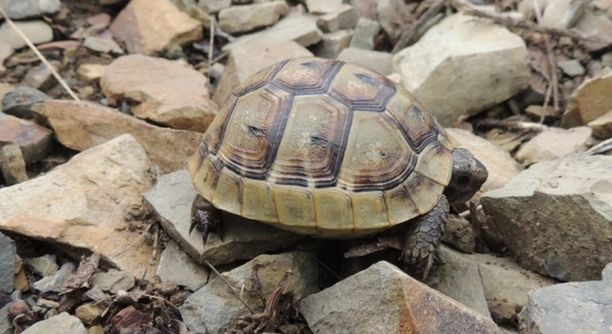
If you notice your Greek tortoise making wheezing sounds, it could be due to several factors affecting their health. These sounds are often a sign that something may not be quite right with your pet’s respiratory system.
Wheezing sounds in a Greek tortoise may be a sign of respiratory issues, such as infections, pneumonia, or environmental stress. Other causes could include improper diet, dehydration, or exposure to cold temperatures. Prompt attention is essential.
Knowing the causes behind the wheezing sounds can help you provide the right care and treatment. This article will guide you through possible reasons and what you can do to help your tortoise recover.
Respiratory Infections
Wheezing in Greek tortoises is often linked to respiratory infections. These can occur when a tortoise is exposed to bacteria or viruses, leading to difficulty breathing and other symptoms. Tortoises are particularly susceptible to respiratory infections if they are housed in environments with poor ventilation or temperature fluctuations. A common sign of such infections is a wheezing or raspy sound when your pet exhales. This can indicate that the airways are obstructed, making it harder for your tortoise to breathe.
Respiratory infections are serious and should not be ignored. It is important to address them promptly to prevent further complications.
If you suspect a respiratory infection, it’s essential to see a veterinarian who specializes in reptiles. They can conduct tests to determine the type of infection and provide the right medication. In many cases, antibiotics or antifungal treatments are necessary to clear up the infection. Be sure to monitor your tortoise closely, and make adjustments to their living environment to prevent recurring issues.
Improper Temperature and Humidity
Temperature and humidity play a crucial role in your Greek tortoise’s health. If the enclosure is too cold or too dry, it can stress your tortoise’s respiratory system and lead to wheezing sounds. Tortoises need a warm, humid environment to stay healthy. Without the right balance, their immune systems can weaken, leaving them vulnerable to infections.
Maintaining the correct temperature and humidity is simple, but requires regular monitoring. A heat source should create a basking spot that is between 90°F and 95°F, while the cooler side of the enclosure should stay around 75°F. Humidity levels should be kept around 50% to 70% to mimic the tortoise’s natural environment.
Dehydration
Wheezing can be a sign of dehydration in Greek tortoises. When a tortoise doesn’t get enough water, their body can become weak, making it harder for them to breathe properly. It’s important to offer fresh water daily and ensure that their diet contains hydrating foods like leafy greens.
Dehydration is common when tortoises are not given proper access to water. Without enough fluids, their respiratory system can become stressed. This can lead to a build-up of mucus in the airways, causing wheezing sounds. Tortoises in the wild get most of their hydration from their environment and food, so it’s crucial to recreate this at home.
If your tortoise isn’t drinking enough, try soaking them in lukewarm water for 20-30 minutes every few days. This can help rehydrate them. Always keep a shallow dish of water in their enclosure, ensuring it is cleaned regularly to encourage drinking.
Poor Diet
A poor diet is another factor that can contribute to wheezing. When your Greek tortoise isn’t eating the right foods, their immune system may weaken, making them more susceptible to respiratory issues. A balanced diet rich in fiber, calcium, and vitamins is essential.
Overfeeding on foods that are too high in moisture or low in nutrients can also lead to digestive issues, which might cause respiratory problems as well. A healthy diet for a Greek tortoise includes dark, leafy greens like collard greens, dandelion greens, and mustard greens. Avoid high-oxalate vegetables like spinach, as they can interfere with calcium absorption.
Making sure your tortoise gets the proper nutrients strengthens its immune system and helps prevent wheezing and other respiratory issues. Feeding your tortoise a varied diet also mimics what they would eat in the wild, promoting better overall health.
Stress
Stress can lead to wheezing in Greek tortoises. When they are stressed, it can affect their breathing and cause audible sounds. Stress can come from various factors, including improper habitat conditions, handling, or interaction with other animals.
Tortoises are sensitive creatures, and stress can disrupt their natural behavior. Ensuring their environment is calm and stable is crucial for their well-being. Keep their space quiet and free from sudden disturbances. Also, avoid handling them too much as it can increase their stress levels, leading to physical symptoms like wheezing.
Infection from Other Pets
If you have other animals in your household, they might transmit infections to your tortoise. Respiratory infections can be passed from other pets, like birds or reptiles, making your tortoise more likely to develop wheezing sounds. It’s important to keep your tortoise’s enclosure separate from other pets to reduce the risk of cross-contamination.
Make sure your tortoise’s habitat is isolated and disinfected regularly. A quarantine period for new animals can also prevent the spread of illness. Always watch for any signs of illness in your other pets that could affect your tortoise, especially respiratory symptoms.
FAQ
Why is my Greek tortoise wheezing?
Wheezing is typically a sign of respiratory issues in Greek tortoises. It could be caused by infections like pneumonia, dehydration, poor diet, or environmental stress. If the wheezing persists, it’s important to check their habitat conditions—temperature, humidity, and ventilation—and ensure they are receiving adequate hydration and nutrition.
What are the signs that my tortoise has a respiratory infection?
Apart from wheezing, signs of respiratory infections include nasal discharge, lethargy, difficulty breathing, and loss of appetite. The tortoise may also exhibit coughing or mouth breathing. These symptoms are often caused by bacterial or viral infections, and a vet should examine your tortoise for an accurate diagnosis and treatment plan.
Can cold temperatures cause wheezing in tortoises?
Yes, cold temperatures can stress a tortoise’s respiratory system. When the temperature in their habitat drops too low, it weakens their immune system, making them more prone to respiratory infections. A warm and consistent temperature range (75-95°F) is crucial for your tortoise’s health. Ensure your tortoise’s environment has both a basking spot and a cooler area to regulate their body temperature.
How can I improve my tortoise’s hydration?
Hydration is essential for a Greek tortoise’s overall health. Offer fresh water daily in a shallow dish and soak your tortoise in lukewarm water every few days to help them hydrate. Ensure their diet includes hydrating foods such as dandelion greens, cucumbers, and other moisture-rich plants. This will keep them properly hydrated and may prevent respiratory stress.
Should I be worried if my tortoise is making other sounds, like coughing or sneezing?
Other sounds like coughing or sneezing could indicate a respiratory issue as well. These sounds, combined with wheezing, suggest that your tortoise may have an infection or irritation in its airways. It’s important to monitor your tortoise’s behavior closely, and if these symptoms continue, consult a veterinarian.
How can I prevent respiratory issues in my Greek tortoise?
To prevent respiratory issues, ensure your tortoise has a clean, dry, and well-ventilated environment. The temperature and humidity should be kept within the recommended ranges, and you should provide a varied, nutritious diet. Regularly clean their enclosure, and avoid exposing them to drafts or cold air. Reducing stress is also key—don’t handle your tortoise too frequently.
Is there a specific food that can help my tortoise’s respiratory health?
While no specific food will directly cure respiratory issues, a balanced diet is crucial for overall health. Include dark, leafy greens like collard greens and dandelion greens, as well as calcium-rich vegetables like kale. Avoid high-oxalate foods like spinach, which can interfere with calcium absorption. Providing a healthy diet strengthens their immune system and may help prevent respiratory issues in the long run.
How can I tell if my tortoise is stressed?
Signs of stress in tortoises include rapid breathing, withdrawal, and loss of appetite. A stressed tortoise may also become more aggressive or less active. Environmental factors like excessive handling, sudden changes in temperature, or the presence of other pets can contribute to stress. Ensuring your tortoise’s habitat is calm and secure is key to reducing stress.
Can other pets, like dogs or cats, affect my tortoise’s breathing?
Yes, other pets can have an impact on your tortoise’s health, especially if they carry respiratory infections that can be transmitted to reptiles. It’s important to keep your tortoise’s enclosure separate from other animals and maintain proper hygiene practices. Always monitor your tortoise’s health closely when introducing new pets into the household.
How often should I check my tortoise’s enclosure for cleanliness?
It’s important to clean your tortoise’s enclosure regularly to prevent the build-up of bacteria or mold that can trigger respiratory issues. Spot clean the habitat every day, removing waste and uneaten food. Perform a full cleaning, including changing the bedding, once a week or as needed to maintain a healthy environment.
Can dehydration cause other health issues in tortoises?
Yes, dehydration can lead to several health problems in tortoises. Chronic dehydration weakens their immune system, making them more susceptible to infections. It can also cause issues like kidney problems, poor shell growth, and digestive issues. Ensuring proper hydration through water and moist foods is essential to your tortoise’s overall well-being.
When it comes to your Greek tortoise making wheezing sounds, it’s important to consider various factors that could be at play. As we’ve discussed, respiratory infections, dehydration, poor diet, and improper environmental conditions are some of the common causes. Ensuring your tortoise’s habitat is suitable, providing a balanced diet, and offering proper hydration can help maintain their health and prevent wheezing in the first place. Regular monitoring and adjusting their living conditions can make a significant difference in their overall well-being.
If your tortoise continues to show signs of wheezing or other respiratory symptoms, it’s essential to consult a reptile veterinarian. A professional can diagnose any underlying issues and suggest the proper treatment. Respiratory problems should never be ignored, as they can lead to more serious complications if left untreated. Early intervention often leads to better outcomes, so don’t hesitate to reach out for veterinary care if you’re concerned about your pet’s health.
Remember, keeping a Greek tortoise healthy requires attention to detail and consistency. The right temperature, humidity, diet, and hydration are all vital components of their care. While wheezing sounds may be alarming, they can often be addressed with proper care and timely action. By keeping their environment stable and their needs met, you can ensure your tortoise leads a long, happy, and healthy life.

Hello,
If you enjoy the content that we create, please consider saying a "Thank You!" by leaving a tip.
Every little bit helps us continue crafting quality advice that supports the health, happiness, and well-being of pets around the world, for pets of all shapes, sizes, and species.
We really appreciate the kindness and support that you show us!