
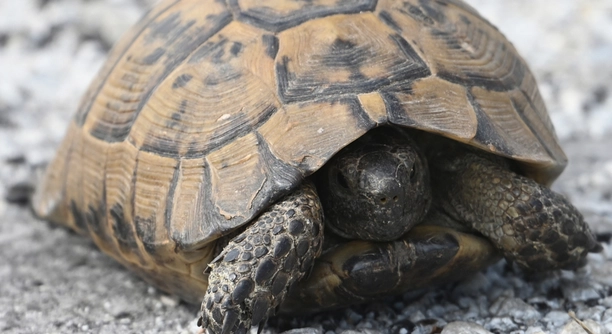
Is your Greek tortoise sleeping all day, leaving you wondering if something is wrong? Understanding why your pet is acting this way can help you ensure its well-being and comfort.
A common reason for your Greek tortoise’s excessive sleep is environmental factors such as temperature or light. These tortoises require specific conditions to stay active. Additionally, dietary issues, hibernation instincts, and health problems can contribute to lethargy.
Addressing the causes and solutions outlined here will help your tortoise stay active and healthy. Continue reading to find out how to make sure your pet is in the best condition.
Temperature and Lighting Issues
Your Greek tortoise’s sleepiness may be due to its environment not meeting its needs. These reptiles require a proper temperature gradient to regulate their body heat. If the temperature is too low, they will enter a lethargic state, conserving energy. Similarly, they need an appropriate light cycle to maintain their activity levels. If the light isn’t bright enough or their day-night cycle is disrupted, it can affect their behavior.
Providing the right conditions, like a basking spot that reaches 90-95°F and a cooler area around 75°F, is key to maintaining their activity. Ensure that your tortoise has access to natural sunlight or a UVB bulb that mimics it. These light and heat sources are crucial for regulating their metabolism and encouraging regular activity.
A stable environment encourages your tortoise to remain active and engaged, avoiding long periods of sleep. Make sure their enclosure mimics their natural habitat as closely as possible to prevent inactivity due to environmental stress.
Diet and Nutrition
The quality of your tortoise’s diet plays an essential role in its energy levels. A balanced diet that meets their specific needs is crucial for their overall health. If your tortoise is not eating enough, or its food is not providing adequate nutrients, it may sleep more to conserve energy.
Inadequate fiber, vitamins, and calcium can cause lethargy in Greek tortoises. These tortoises need high-fiber plants, such as grasses and leafy greens, as well as access to calcium. Over time, poor nutrition can lead to health issues, including sluggishness. It’s also important to avoid feeding your tortoise too many fruits or high-protein foods, which can upset their digestive system and result in lower activity levels.
To ensure your tortoise stays healthy, provide a variety of safe greens, high-quality hay, and calcium supplements when necessary. Understanding their dietary needs can help prevent lethargy and encourage a more active lifestyle. Keep an eye on their eating habits and make adjustments as needed.
Hibernation Instincts
As cold-blooded creatures, Greek tortoises are prone to hibernation, especially during colder months. When temperatures drop, they might become less active and sleep longer as their body conserves energy. This is a natural survival instinct.
If your tortoise has not been exposed to consistent warmth, it may start to enter a hibernation-like state, which can last for weeks. To prevent this, ensure the temperature stays above 50°F, as colder conditions trigger this behavior. Be mindful of the light cycles, as they play a role in their hibernation patterns. Providing warmth and light will help reduce the chance of hibernation during inappropriate times.
If your tortoise is still too inactive after adjusting its environment, consider consulting a vet to rule out health issues. Making sure the temperature is regulated year-round is crucial for keeping your tortoise active.
Health Concerns
Lethargy in Greek tortoises may indicate underlying health issues. Respiratory infections, parasites, or metabolic bone disease can all cause a decrease in energy levels. These conditions might not always be obvious, but they affect your tortoise’s activity.
It’s essential to monitor your tortoise for any other symptoms like swelling, nasal discharge, or lack of appetite. If these signs appear, it’s best to take your tortoise to a veterinarian with experience in reptile care. Health problems can worsen quickly, and early detection can help prevent long-term issues.
Routine check-ups can ensure your tortoise remains healthy. Along with monitoring for physical signs, make sure the living conditions support its well-being. Proper care, including a balanced diet and ideal environmental conditions, will keep your tortoise active and vibrant.
Stress and Anxiety
Stress can cause your tortoise to act lethargic, and it’s something that should not be overlooked. Changes in its environment, loud noises, or the presence of other animals may cause stress.
Creating a calm, stable environment will help reduce stress. Avoid handling your tortoise too much and keep its habitat quiet. Ensure there are no sudden changes to its routine, and offer plenty of hiding spots where it can feel safe.
Tortoises also need time to acclimate to new environments. If you’ve recently moved its enclosure or introduced new elements, allow it time to adjust without unnecessary disturbances. This will prevent stress-related sleepiness.
Poor Hydration
Dehydration can also be a factor in your tortoise’s lack of energy. A dehydrated tortoise may sleep excessively as it conserves energy and struggles to function properly. This can lead to issues with digestion and overall well-being.
Provide fresh water daily, and consider offering soaking sessions to ensure your tortoise stays hydrated. Place water in shallow dishes that are easy to access. Some tortoises also prefer moist, humid environments, so maintaining a proper humidity level can help prevent dehydration.
Ensuring your tortoise has consistent access to water, along with proper soaking habits, will maintain hydration and energy levels.
Overfeeding
Overfeeding can lead to lethargy in Greek tortoises. When a tortoise consumes more food than it needs, especially in the form of high-protein or sugary foods, its digestive system can become overloaded.
Feeding too often, especially foods that aren’t appropriate for their diet, can result in sluggishness. Stick to a feeding schedule with appropriate portions. Focus on leafy greens, grasses, and other low-protein foods. Avoid giving your tortoise foods that can cause imbalances in its system.
Monitor its food intake to avoid overfeeding, which can cause long-term issues. A balanced diet will keep your tortoise energetic and healthy.
FAQ
Why is my Greek tortoise sleeping more than usual?
Tortoises are known to sleep a lot, especially during colder months. However, excessive sleep could be due to temperature or environmental issues, hibernation instincts, health problems, or poor diet. Ensure its habitat is at the correct temperature and light levels, and check for signs of illness or stress. A proper diet, high in fiber and calcium, can also keep your tortoise active. If the problem persists, a vet visit may be necessary.
How much sleep does a Greek tortoise need?
Greek tortoises generally sleep between 8-12 hours a day, depending on environmental conditions and their activity levels. In the wild, they adapt to natural light and temperatures. In captivity, they may sleep more if the conditions aren’t optimal. Proper lighting and temperature can help regulate their sleep cycle.
Can stress cause my Greek tortoise to sleep all day?
Yes, stress can lead to lethargy in Greek tortoises. If there are sudden changes in their environment or they feel threatened by loud noises or other pets, they may retreat into their shells and sleep longer to cope. Make sure your tortoise’s habitat is calm and stable, with minimal disruptions.
How can I tell if my tortoise is sick or just sleeping too much?
Look for signs like lack of appetite, swelling, discharge from the eyes or nose, or abnormal behavior like limping or not moving. If your tortoise is sleeping excessively and shows other signs of illness, it may be time for a veterinary check-up. Regular check-ups are vital to detect potential health issues early.
Is it normal for my tortoise to sleep a lot during the winter?
Yes, Greek tortoises tend to sleep more during the winter months due to their hibernation instincts. This is a natural response to cooler temperatures and reduced light. To prevent hibernation at the wrong time, make sure the temperature stays above 50°F. Adequate lighting will also help regulate their sleep cycle.
How do I make sure my Greek tortoise stays hydrated?
Greek tortoises can be prone to dehydration if not properly hydrated. Always provide access to fresh water, and consider soaking your tortoise in lukewarm water for about 20-30 minutes, a few times a week. Make sure its habitat has proper humidity levels to support hydration as well. Keeping a shallow water dish accessible is essential.
Can a poor diet cause my tortoise to sleep all day?
Yes, a poor diet can lead to lethargy in tortoises. Greek tortoises need a balanced diet rich in fiber, calcium, and vitamins. Feeding them high-protein or sugary foods can result in sluggishness and poor digestion. Stick to leafy greens and grasses while avoiding fruits or high-protein foods, which can upset their system.
What is the best temperature for a Greek tortoise?
The ideal temperature range for a Greek tortoise’s habitat is between 75-85°F for the cooler areas and 90-95°F for basking spots. At night, temperatures can drop to around 70°F. If the temperature drops too low, it could cause lethargy or trigger hibernation, while temperatures that are too high can cause stress.
How often should I feed my Greek tortoise?
Greek tortoises should be fed daily, but not overfed. Offer them a variety of leafy greens and grasses, making sure the diet is high in fiber and low in protein. The portions should be appropriate to avoid overfeeding, which can lead to sluggishness and weight issues. A balanced diet ensures they stay active and healthy.
Can Greek tortoises sleep if they’re too warm?
Yes, Greek tortoises can sleep more if their environment is too warm, as it can cause them to feel stressed. If the temperature is consistently above 95°F, they may retreat into their shells to cool off and sleep longer. It’s important to maintain a balance between warmth and cooler areas in the habitat to avoid overheating.
How can I help my Greek tortoise stay active?
Ensure your tortoise’s habitat has proper temperature, lighting, and humidity. A variety of stimulating items like rocks, logs, and hideaways can encourage exploration. Additionally, regular soaking, proper diet, and ensuring a stress-free environment will help keep your tortoise energetic. Keep its habitat clean and free of hazards.
Final Thoughts
Understanding why your Greek tortoise sleeps all day is crucial for its well-being. While it is normal for tortoises to sleep a lot, especially in colder months, excessive sleep could signal underlying issues. Factors such as stress, dehydration, poor diet, or improper environmental conditions can all lead to lethargy. It is essential to monitor your tortoise closely and make sure its habitat is optimized for its needs. Temperature, lighting, and humidity play a significant role in your tortoise’s activity levels. If any of these factors are off, your tortoise may become sluggish or overly sleepy.
Ensuring your tortoise has access to fresh water, a proper diet, and a stable, stress-free environment will help keep it healthy and active. Overfeeding or offering the wrong types of food can contribute to lethargy, so providing a balanced diet is key. Keep your tortoise’s habitat clean and quiet, and allow it to acclimate to any changes in its environment. Greek tortoises are naturally more active during the warmer months, so adjusting their care during colder periods is important for their health. If your tortoise is not eating, drinking, or moving normally, it may be a sign of a health issue, and you should consult a vet.
In conclusion, taking a proactive approach to your tortoise’s care is the best way to ensure it stays healthy and active. Make sure it has all the essentials it needs, including proper light, heat, humidity, and diet. If your tortoise’s behavior changes and it starts sleeping excessively, review its care and make adjustments where necessary. By keeping a close eye on its environment and health, you can prevent sleep-related issues and help your tortoise thrive.

Hello,
If you enjoy the content that we create, please consider saying a "Thank You!" by leaving a tip.
Every little bit helps us continue crafting quality advice that supports the health, happiness, and well-being of pets around the world, for pets of all shapes, sizes, and species.
We really appreciate the kindness and support that you show us!