
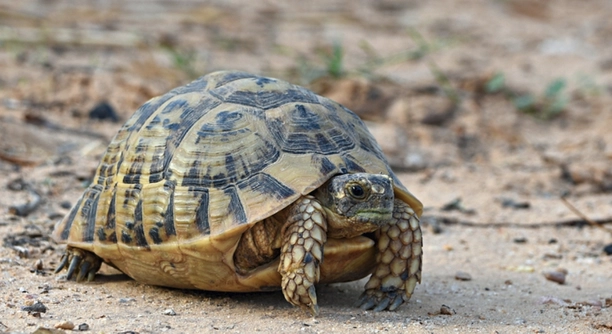
Creating a comfortable environment for your Greek tortoise is essential for its well-being. Small adjustments can make a big difference in ensuring it thrives in captivity. Let’s explore ways to improve its living space.
The best way to improve your Greek tortoise’s environment is by maintaining proper temperature, humidity, and providing suitable substrates. A secure enclosure with plenty of space, hiding spots, and UVB lighting is vital for their health and comfort.
With the right setup, your tortoise will feel at ease. Keep reading to discover how to make its environment the best it can be.
Temperature and Humidity
Maintaining the right temperature and humidity is key to creating a comfortable environment for your Greek tortoise. These reptiles thrive in warm temperatures, so keeping their enclosure between 75°F to 85°F during the day and around 70°F at night is ideal. A heat source like a basking lamp can help maintain the necessary warmth. It’s also important to create a temperature gradient, allowing your tortoise to move between cooler and warmer areas as it chooses.
Humidity levels should be kept around 50-60%, as this helps prevent dehydration and supports healthy shedding. Too much humidity can cause respiratory issues, while too little can lead to dryness. Use a hygrometer to monitor the humidity regularly, and consider misting the enclosure occasionally to maintain a comfortable level.
By adjusting both temperature and humidity levels, your tortoise will feel more secure and active, reducing the risk of stress and health issues.
Proper Substrate
The right substrate plays a vital role in the well-being of your tortoise. Choosing a material that promotes natural behaviors and keeps the environment clean is essential. A mix of organic soil, coconut coir, and sand works well for Greek tortoises. Avoid using wood shavings or gravel, as these can cause injury or be difficult for your tortoise to digest.
A deep substrate layer also gives your tortoise a place to burrow, mimicking its natural habitat. This helps with temperature regulation, moisture retention, and comfort. If the tortoise is too stressed by its environment, it may not eat or be as active.
Make sure to replace the substrate every few months to keep it fresh and hygienic. Regular cleaning helps avoid bacteria buildup and ensures your tortoise stays healthy.
Enclosure Size
The size of your tortoise’s enclosure is crucial. A spacious enclosure will allow your Greek tortoise to roam, forage, and explore. A minimum of 4 square feet of space is recommended for a juvenile, while an adult tortoise should have at least 10 square feet. The larger the space, the more comfortable and active your tortoise will be.
Avoid overcrowding with other reptiles or pets, as this can lead to stress or territorial issues. A single tortoise should have its own area to roam freely without feeling confined. Include hiding spots, such as rocks or logs, where your tortoise can retreat for privacy or rest.
This extra space will also allow you to create a better temperature gradient and ensure that your tortoise has areas for both warmth and cooler spots to regulate its body temperature.
UVB Lighting
UVB lighting is essential for your Greek tortoise’s health. These reptiles require exposure to UVB rays to synthesize vitamin D3, which helps them absorb calcium and maintain strong bones. Without proper UVB lighting, your tortoise can develop shell deformities, metabolic bone disease, or other health issues.
Ensure that your tortoise’s enclosure has a UVB light placed over the basking area. The light should be on for 10-12 hours a day, simulating natural sunlight. Be sure to replace the UVB bulb every six months, as its effectiveness decreases over time. Even though UVB lights are essential, they should not replace outdoor sunbathing. Allow your tortoise to have some time outside in natural sunlight, if possible.
By offering both natural sunlight and proper artificial UVB lighting, you can help your tortoise stay healthy and active.
Hiding Spots and Enrichment
Hiding spots are essential for a Greek tortoise’s comfort. They offer a place to retreat when your tortoise feels stressed or just wants some quiet time. Simple items like logs, rocks, or even cardboard boxes can work as hiding spots. A good hideaway helps your tortoise feel safe.
Adding enrichment to the enclosure can help stimulate your tortoise mentally and physically. Things like small plants, rocks to climb, and occasional food puzzles keep the tortoise engaged. Changing the arrangement occasionally also keeps things interesting for your pet. A simple branch for climbing can encourage movement and exploration.
Providing hiding spots and enrichment helps mimic a natural environment, reducing stress. It also encourages behaviors like foraging and exploring, which are important for your tortoise’s mental and physical health.
Feeding and Diet
Greek tortoises are herbivores, and a varied diet is necessary to keep them healthy. A mix of leafy greens, grasses, and some vegetables provides essential nutrients. Avoid high-oxalate foods like spinach and keep fruits to a minimum, as they are high in sugar. Fresh water should always be available.
To ensure your tortoise gets enough calcium, consider adding calcium powder to its food every couple of weeks. In addition to greens, adding edible flowers, like dandelions or hibiscus, offers variety and extra nutrients. Avoid feeding your tortoise any food that could be toxic, such as iceberg lettuce.
Regular feeding with a variety of plants will not only keep your tortoise nourished but also encourage natural foraging behaviors. The right diet helps your tortoise stay active, strong, and healthy.
Lighting and Heat Sources
Proper lighting and heat sources are essential for your tortoise’s environment. A combination of basking and UVB lights should be used to ensure your tortoise gets the right exposure to heat and sunlight. These lights help regulate its body temperature and ensure it can properly digest food.
Basking lights create warm areas that allow your tortoise to absorb the heat it needs. UVB lighting is crucial for vitamin D3 production, promoting strong bones and shell growth. Make sure the lights are positioned correctly and that they provide the appropriate intensity for your tortoise’s needs.
Cleanliness and Hygiene
Keeping your tortoise’s enclosure clean is a key part of maintaining its health. Regular cleaning helps prevent bacterial buildup and reduces the risk of illness. Remove uneaten food daily, clean water bowls, and spot-clean any waste immediately.
Every few weeks, thoroughly clean the entire enclosure by replacing the substrate and disinfecting surfaces. This will help maintain a hygienic environment for your tortoise to thrive in. Hygiene plays a big part in preventing diseases and ensuring your tortoise is comfortable in its habitat.
Outdoor Time
Allowing your tortoise time outside provides benefits that an indoor environment alone can’t match. Natural sunlight, fresh air, and room to roam give your tortoise an opportunity to behave more naturally. Outdoor time promotes healthy shell growth and improves overall well-being.
Make sure the outdoor area is safe, escape-proof, and free of predators. A well-fenced yard or secure playpen works well. Outdoor time should always be supervised to prevent injury or escapes. Even if only for short periods, spending time outdoors can make a noticeable difference in your tortoise’s health.
FAQ
How often should I feed my Greek tortoise?
Greek tortoises are herbivores, so feeding them fresh greens daily is essential. You can feed them a variety of leafy vegetables like dandelion greens, kale, and collard greens. A good rule of thumb is to provide enough food for your tortoise to graze on throughout the day, but be mindful not to overfeed. They should have access to fresh water at all times.
You can also provide occasional treats like edible flowers or small amounts of fruits, but these should be given sparingly. Greek tortoises need a high-fiber diet, so avoid feeding them foods that are too high in sugar or fat. Once or twice a week, you can dust their food with calcium powder to help ensure proper bone development.
Can Greek tortoises live in a tank?
Yes, Greek tortoises can live in a tank, but it’s essential that the tank is large enough and equipped with proper heating and lighting. A tank should be at least 40 gallons for a small tortoise, with larger enclosures needed as they grow. It’s important to provide enough space for them to move freely, as a cramped environment can lead to stress and health issues.
In addition to size, ensure the tank has both a basking spot and cooler areas, creating a temperature gradient so your tortoise can regulate its body temperature. A tank should also have a UVB light, as Greek tortoises need exposure to UVB rays for proper calcium absorption and overall health.
What kind of substrate should I use for my Greek tortoise’s enclosure?
A good substrate helps maintain the right moisture levels and allows your tortoise to engage in natural behaviors like digging and burrowing. A mix of organic soil, coconut coir, and sand works well for Greek tortoises. Avoid using substrates like cedar or pine shavings, which can be harmful to their respiratory system.
The substrate should be deep enough for your tortoise to burrow if it wishes, and it should be changed regularly to avoid bacteria buildup. You may also want to add leaves or small grasses for added texture and variety. Keeping the substrate dry is key, as excess moisture can lead to respiratory issues and fungal infections.
How can I tell if my Greek tortoise is healthy?
A healthy Greek tortoise will have bright eyes, smooth and intact shell, and be active during the day. It should be eating regularly and have a strong appetite. The shell should be firm, without cracks, and free of soft spots, which could indicate calcium deficiency or metabolic bone disease.
If your tortoise is lethargic, not eating, or showing signs of weight loss, it could be a sign of illness. Also, check for any abnormal growths on the shell or signs of respiratory issues, such as wheezing or discharge from the nose. If you notice any of these symptoms, it’s important to take your tortoise to a reptile vet.
How do I handle my Greek tortoise?
Handling a Greek tortoise should be kept to a minimum, as they are generally shy and prefer to be left undisturbed. When you do need to handle your tortoise, always support its body properly, with one hand under its shell and the other supporting its legs. Avoid lifting them by their limbs, as this can cause injury.
Tortoises are slow-moving and not particularly cuddly, so give them the space to explore at their own pace. If you need to transport them, ensure they are placed in a secure, comfortable container with soft bedding to reduce stress. If handled gently and infrequently, your tortoise will feel more at ease in its environment.
What kind of light do I need for my Greek tortoise?
Your Greek tortoise needs a combination of heat and UVB light to stay healthy. The heat source helps maintain a proper temperature for digestion and overall health, while UVB light allows the tortoise to produce vitamin D3, which is crucial for calcium absorption.
A basking light should be used to create a warm area, typically between 85°F and 95°F. UVB lighting should be positioned over the basking area and be on for about 10-12 hours each day. Make sure to replace UVB bulbs every six months, as they lose effectiveness over time, even if they still light up. Additionally, avoid using regular household bulbs for UVB, as they do not provide the necessary rays.
How big should my Greek tortoise’s enclosure be?
The size of the enclosure is crucial for your tortoise’s comfort. A juvenile Greek tortoise should have at least 4 square feet of space, while an adult tortoise needs a minimum of 10 square feet. Larger enclosures are always better, as they allow your tortoise to move freely and explore its environment.
In addition to providing enough space, the enclosure should have both warm and cooler areas for temperature regulation, as well as hiding spots for security. A bigger enclosure will reduce stress and encourage natural behaviors like foraging and roaming.
Can I let my Greek tortoise roam outside?
Yes, Greek tortoises can benefit from outdoor time. Natural sunlight provides them with essential UVB rays, which are crucial for their health and shell development. Outdoor time also lets them explore and forage in a more natural environment, which keeps them mentally stimulated.
When allowing your tortoise outside, ensure that the area is secure and free from predators. The space should be well-fenced to prevent escape, and you should always supervise your tortoise while it’s outside to keep it safe. If you live in a climate with colder temperatures, only allow your tortoise outside when it’s warm enough to avoid stressing or harming it.
Final Thoughts
Creating a comfortable environment for your Greek tortoise is important for its health and well-being. By ensuring the right temperature, humidity, and lighting, you can help your tortoise thrive. The proper substrate, enough space, and opportunities for natural behaviors like burrowing or climbing also play a crucial role in its comfort. Providing these essentials allows your tortoise to feel secure and encourages healthy activity.
Beyond just the physical setup, it’s important to maintain regular care, such as cleaning the enclosure and offering a balanced diet. Greek tortoises need fresh greens daily, with occasional treats to add variety. Giving them access to clean water and the right nutrients, like calcium, ensures that they stay strong and healthy. Keeping an eye on their overall behavior and health will help you catch any potential issues early, allowing for timely intervention if needed.
Remember that Greek tortoises can live for many years, so creating an environment that meets their needs now will benefit them in the long run. By being attentive to their space, diet, and health, you’ll provide a comfortable home where they can live happily and grow. This care will pay off by seeing your tortoise active, healthy, and enjoying its surroundings.

Hello,
If you enjoy the content that we create, please consider saying a "Thank You!" by leaving a tip.
Every little bit helps us continue crafting quality advice that supports the health, happiness, and well-being of pets around the world, for pets of all shapes, sizes, and species.
We really appreciate the kindness and support that you show us!