
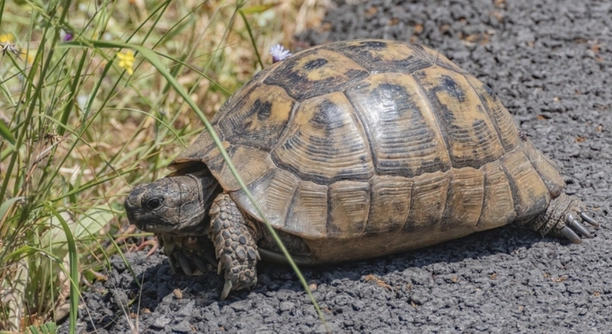
If you notice that your Greek tortoise’s shell is changing color, it can be concerning. Understanding the reasons behind shell discoloration is important for ensuring the health of your pet.
Tortoises often experience shell discoloration due to environmental factors, diet, or health issues. Common causes include improper humidity, vitamin deficiencies, fungal infections, and trauma. Identifying the specific cause can help you take the necessary steps to address the issue.
Knowing the cause of the discoloration is the first step in resolving the issue. Let’s explore these common reasons in detail and provide you with solutions to restore your tortoise’s health.
1. Poor Diet and Nutrient Deficiencies
If your Greek tortoise’s shell is changing color, it could be due to a lack of essential nutrients. A poor diet, lacking in calcium, vitamin D3, or other vital minerals, can negatively affect your tortoise’s health. The shell may appear faded or develop irregular coloring. Without proper nutrition, their shells might soften or show signs of deformity.
A balanced diet with a variety of leafy greens, vegetables, and occasional fruits is necessary. Supplementing with calcium and vitamin D3 will help maintain the strength and color of the shell.
In some cases, a lack of UVB light can lead to vitamin D3 deficiencies. Vitamin D3 is crucial for calcium absorption, and without proper sunlight or UVB bulbs, your tortoise may experience weak bones or shell issues. Make sure your tortoise has access to adequate UVB lighting for about 10-12 hours a day. This simple step can prevent nutrient-related shell discoloration. If the diet is adjusted and proper lighting is used, your tortoise’s shell should improve over time. It’s important to always monitor their health and adjust their care routine accordingly.
2. Fungal or Bacterial Infections
Shell discoloration can also result from fungal or bacterial infections. These infections may cause your tortoise’s shell to appear dull, discolored, or even develop scaly patches. Fungal infections can often arise from an overly humid environment, while bacteria might develop from wounds or poor living conditions.
Maintaining a clean and dry habitat is key to preventing these infections. Regularly clean your tortoise’s enclosure to ensure the environment remains safe.
Infection-related discoloration can often be accompanied by other signs like swelling, pus, or a foul odor. If these symptoms are present, it’s important to consult a veterinarian immediately. They may recommend topical treatments or antibiotics to address the infection. By keeping your tortoise’s environment clean and dry, you can reduce the risk of infections that lead to shell discoloration.
3. Improper Humidity Levels
Humidity plays a big role in your tortoise’s shell health. If the humidity in their habitat is too high or too low, it can cause the shell to discolor or become unhealthy. Proper humidity levels help with proper shell growth and hydration.
When humidity is too high, it can create a damp environment where fungal infections thrive. Conversely, low humidity can lead to dehydration, making the shell brittle and prone to discoloration. Monitoring the humidity level regularly is crucial. Ideal humidity for a Greek tortoise is around 50-60%.
To fix this, consider adjusting the humidity with a hygrometer. If humidity is too low, adding water dishes or misting the enclosure may help. If too high, improving ventilation can solve the issue. Make sure the environment stays balanced for optimal shell health. Keeping the humidity in check is one of the easiest and most effective ways to prevent discoloration.
4. Trauma or Injury
If your tortoise experiences a fall or bump, it can lead to shell damage that results in discoloration. A hard impact can cause cracks, bruising, or uneven growth on the shell. This type of injury often shows as darkened patches or scarring.
When a tortoise sustains an injury, the shell might take time to heal, but you can assist the recovery by ensuring it has a clean and dry environment. Any open wounds should be carefully treated to prevent infection.
If you notice persistent swelling, a change in shell shape, or if the discoloration worsens over time, it’s important to visit a veterinarian. Sometimes, the damage can lead to long-term issues with shell growth. Keeping the enclosure secure can prevent accidental falls and future injuries.
5. Dehydration
Dehydration can cause your Greek tortoise’s shell to become dull or discolored. When your tortoise doesn’t get enough water, the shell may lose its healthy appearance. Proper hydration helps maintain a vibrant shell and overall health.
Ensure that your tortoise has access to fresh water daily. If you notice signs of dehydration like sunken eyes or a soft shell, consider increasing water intake. Mist your tortoise with water to encourage drinking, especially during warmer months. Keep a close eye on their hydration levels to avoid this issue.
6. Sunburn
Just like us, tortoises can get sunburned if they are exposed to too much direct sunlight without proper shelter. Sunburn can cause discoloration, redness, or peeling of the shell. If this happens, you should take action immediately.
To prevent sunburn, ensure your tortoise has access to shaded areas in their enclosure. You can also regulate the amount of time spent under direct sunlight. If your tortoise has already been sunburned, you may need to consult a vet for treatment. A healthy balance of sun exposure is key to protecting your tortoise’s shell.
7. Old Age
As your tortoise ages, its shell may naturally change color. This is usually a gradual process and isn’t typically a cause for concern. Older tortoises often experience slight fading or dullness in their shells over time.
FAQ
What are the signs of a healthy Greek tortoise shell?
A healthy Greek tortoise shell is smooth, firm, and without cracks or holes. The color should be vibrant and consistent, without discoloration or fading. Healthy shells may have slight natural variations in color, but there should be no signs of injury, infections, or scarring. You should also check that the shell is not soft or deformed. A well-balanced diet, proper UVB lighting, and a clean living environment all contribute to maintaining a healthy shell.
How can I prevent shell discoloration in my tortoise?
Prevention starts with proper care. Make sure your tortoise has a balanced diet rich in calcium, vitamin D3, and other essential nutrients. Providing the correct humidity and temperature levels in their enclosure helps prevent shell problems. Ensure your tortoise gets plenty of UVB light, either from sunlight or a UVB bulb. Keep their environment clean and dry to avoid infections. Regular check-ups with a vet can also catch any issues early. Avoid trauma by ensuring the enclosure is secure and free from hazards.
Can shell discoloration be fixed?
In many cases, shell discoloration can be fixed if the underlying cause is identified and addressed. For example, improving diet, adjusting humidity, and providing proper UVB lighting can help restore color and prevent further damage. If the discoloration is due to an infection or injury, it is important to seek veterinary care. Treating any infection with medication or antibiotics will improve the condition of the shell. However, older tortoises might experience natural color changes over time, which are typically harmless and part of aging.
What is the best diet for a Greek tortoise?
A Greek tortoise’s diet should be mainly plant-based, with a variety of leafy greens, vegetables, and occasional fruits. Dark, leafy greens such as dandelion greens, collard greens, and kale are excellent options. Avoid feeding them high-protein foods or too much fruit, as this can lead to imbalances. You can also provide calcium supplements to support shell and bone health. Ensuring proper hydration is also important. Offering a shallow dish of water daily is essential to prevent dehydration.
How do I treat fungal or bacterial infections in my tortoise?
If your tortoise shows signs of infection, such as a discolored, swollen, or soft shell, it’s important to act quickly. For fungal infections, keeping the tortoise in a dry, well-ventilated environment is essential to prevent the fungus from spreading. You may need to apply antifungal treatments as directed by a vet. Bacterial infections may require antibiotics. In either case, it’s important to consult a veterinarian for proper diagnosis and treatment. Keeping the enclosure clean and dry can help prevent infections from occurring.
Why is my tortoise’s shell turning soft?
A soft shell is often a sign of calcium deficiency or improper UVB lighting. Without enough calcium, your tortoise’s shell may lose its rigidity and become soft. Calcium is essential for healthy bone and shell growth. Make sure your tortoise has a proper diet, UVB light exposure, and calcium supplementation if necessary. If your tortoise’s shell remains soft despite these adjustments, consult a vet for further investigation.
What should I do if my tortoise has an injury to its shell?
If your tortoise has a shell injury, it’s important to clean the wound carefully with warm water and antiseptic to avoid infection. If the injury is severe, consult a veterinarian immediately. They may need to treat the wound with antibiotics or dress it to prevent further damage. Shell injuries can heal slowly, so keep your tortoise’s environment clean and dry during recovery. Avoid handling your tortoise too much, as this can cause stress and slow the healing process.
How can I maintain the correct humidity for my tortoise?
Maintaining the right humidity level for your tortoise’s habitat is key to preventing shell problems. Use a hygrometer to measure the humidity and keep it between 50-60%. You can adjust humidity by misting the enclosure lightly or adding a shallow water dish. If humidity is too high, ensure proper ventilation to prevent excess moisture. Providing a humid hide or water bowl can also help regulate humidity levels in their environment. Regular checks will ensure that the humidity stays within the ideal range.
Is it normal for an older tortoise to have a dull shell?
Yes, it is normal for an older tortoise to experience slight dullness or fading of the shell over time. As tortoises age, their shells may naturally lose some vibrancy. This change is typically gradual and not a cause for concern. However, if the dullness is accompanied by other symptoms like cracks, softness, or infections, it’s important to seek veterinary advice. Ensuring that older tortoises still receive proper nutrition and care can help maintain a healthy shell for as long as possible.
How do I know if my tortoise is dehydrated?
Signs of dehydration in a tortoise include sunken eyes, a soft or rubbery shell, and a lack of urination. A dehydrated tortoise may also become lethargic or lose its appetite. To prevent dehydration, make sure your tortoise always has access to clean water. Mist your tortoise with water during hotter months, especially if it’s not drinking enough. If dehydration symptoms persist, contact a vet. Dehydration can be serious, and it’s essential to rehydrate your tortoise quickly to prevent long-term health issues.
Can shell discoloration be caused by stress?
Yes, stress can sometimes cause changes in your tortoise’s shell. Stress may result from sudden changes in the environment, poor diet, improper temperature or humidity, or being handled too often. While stress itself may not directly cause discoloration, it can weaken the tortoise’s immune system, making it more susceptible to infections or other shell issues. By maintaining a stable and calm environment, you can help reduce stress and support overall shell health. Avoiding frequent handling and ensuring that the tortoise’s needs are met will help prevent stress-related problems.
How often should I take my tortoise to the vet?
It’s recommended to take your tortoise to the vet at least once a year for a check-up, even if it appears healthy. Regular check-ups help catch any underlying health issues early, including shell problems, parasites, or nutritional deficiencies. If you notice any signs of illness, injury, or shell discoloration, take your tortoise to the vet as soon as possible. Early intervention can often prevent serious health complications. Regular vet visits are essential for long-term tortoise care.
Taking care of a Greek tortoise requires attention to detail, especially when it comes to the condition of their shell. Discoloration or changes in their shell are not always a sign of something serious, but they should not be ignored. Understanding the various causes of shell discoloration, such as poor diet, improper humidity, infections, or injury, can help you take the right steps in maintaining your tortoise’s health. If you notice any unusual changes in the shell’s appearance, it’s important to address the problem early to prevent further complications.
While some factors, like aging, may cause natural changes to your tortoise’s shell, others can be avoided with proper care. Providing a balanced diet with enough calcium and vitamins is essential for maintaining a healthy shell. Adequate UVB lighting, a clean environment, and a proper humidity level all play important roles in ensuring the health of your tortoise’s shell. If any issues arise, it’s best to consult with a veterinarian to get an accurate diagnosis and treatment plan. Prompt action can prevent minor issues from turning into larger health concerns.
By staying informed and observant, you can keep your tortoise in good health and prevent shell problems from becoming an ongoing issue. Remember that regular care and a stable living environment are key to your tortoise’s overall well-being. Addressing any concerns quickly will not only restore the health of their shell but also contribute to a long and happy life for your pet. Always ensure that your tortoise’s needs are met with the right care, and don’t hesitate to seek professional help when needed.

Hello,
If you enjoy the content that we create, please consider saying a "Thank You!" by leaving a tip.
Every little bit helps us continue crafting quality advice that supports the health, happiness, and well-being of pets around the world, for pets of all shapes, sizes, and species.
We really appreciate the kindness and support that you show us!