
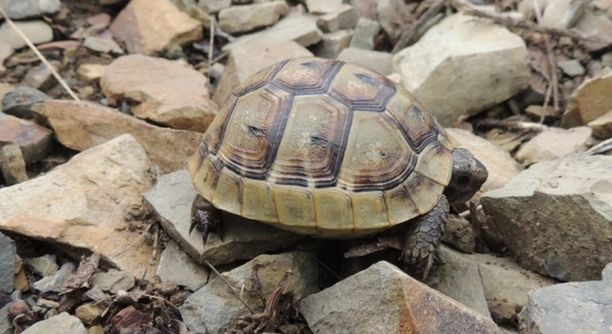
Do you ever find yourself wondering if Greek tortoises can safely munch on endive? Many tortoise owners want to provide a healthy and balanced diet but may be unsure about certain leafy greens. Understanding their dietary needs is important.
Greek tortoises can eat endive as part of their diet. Endive is a nutritious leafy green that provides fiber, vitamins, and hydration. However, it should be given in moderation alongside other greens to ensure a balanced intake of nutrients.
Endive can be a great addition to your tortoise’s diet, but there are key factors to consider. From its nutritional value to the best way to serve it, learning more will help keep your tortoise happy and healthy.
Health Benefits of Endive for Greek Tortoises
Endive is a great addition to a Greek tortoise’s diet because it is low in oxalates and high in fiber. This leafy green helps with digestion and supports a healthy gut. The high water content also keeps tortoises hydrated, which is essential for their well-being. Endive contains important vitamins, such as vitamin A, which helps with vision and immune function. It also has calcium, which supports strong shell development. Unlike some greens, endive does not contain excessive phosphorus, making it a safer option. Including it in a varied diet helps ensure a good balance of nutrients.
It is important to offer endive in moderation. While it is nutritious, feeding too much of any single green can lead to imbalances. Mixing endive with other safe greens creates a well-rounded diet that keeps your tortoise healthy. Rotating different greens also prevents dietary boredom.
Providing fresh, clean endive is key to keeping your tortoise safe. Always wash it thoroughly to remove pesticides or dirt. Chop it into bite-sized pieces and mix it with other greens. Avoid wilted or spoiled leaves, as they can cause digestive issues. Offering a variety of greens ensures that your tortoise gets all the essential nutrients for a healthy and active life.
How to Serve Endive to Your Tortoise
Endive should always be served raw. Cooking can remove important nutrients, making it less beneficial for your tortoise. Chop the leaves into smaller pieces to make them easier to eat. Mixing endive with other greens like dandelion and romaine adds variety to the diet.
A balanced diet is important for Greek tortoises, and endive can be part of it when fed correctly. While endive provides valuable nutrients, it should not be the only green in their diet. Combining it with other leafy greens ensures they receive a mix of vitamins and minerals. Fresh greens should always be the main component of their diet, but they also need access to calcium sources like cuttlebone. Providing clean water and a proper habitat supports overall health. When introducing new foods, observe your tortoise to ensure they are eating well and not experiencing any digestive issues. Proper diet and care help your tortoise thrive for years to come.
Potential Risks of Feeding Endive to Greek Tortoises
Too much endive can lead to imbalances in a tortoise’s diet. While it is a healthy green, feeding it in excess may prevent them from getting enough variety. A well-rounded diet is necessary to maintain proper digestion and shell development.
Endive contains a moderate amount of fiber, which supports digestion, but excessive amounts may cause loose stools. Greek tortoises need a mix of fibrous and non-fibrous greens to maintain healthy gut function. Overfeeding endive without other greens can also lead to an improper calcium-to-phosphorus ratio. This imbalance may affect shell and bone strength over time. To prevent issues, combine endive with other calcium-rich foods such as collard greens or turnip greens. Always observe your tortoise’s eating habits and stool consistency when introducing new foods.
Some store-bought endive may contain pesticide residues, which can be harmful. Always wash endive thoroughly before feeding it to remove chemicals and dirt. If possible, choose organic varieties to reduce exposure to harmful substances. Another option is growing endive at home to ensure it is safe and free from pesticides. Providing clean, fresh greens is an important step in keeping your tortoise healthy and avoiding any unnecessary risks associated with their diet.
Best Greens to Pair with Endive
Greek tortoises thrive on a varied diet, so mixing endive with other leafy greens is beneficial. Dandelion greens, collard greens, and mustard greens provide additional nutrients that support overall health. Rotating different greens prevents dietary boredom and helps balance nutrient intake.
Dark, leafy greens high in calcium are excellent additions to a tortoise’s diet. Mustard greens and collard greens provide a strong calcium boost, which helps maintain a healthy shell. Dandelion greens are another great choice because they support digestion and contain natural antioxidants. Mixing these with endive ensures a more complete diet. Avoid feeding only one type of green for extended periods, as this can lead to nutritional gaps. Offering a variety of safe plants helps create a balanced diet that supports long-term health.
Some greens should be fed in moderation due to higher levels of oxalates or goitrogens. For example, spinach and kale contain beneficial nutrients but can interfere with calcium absorption when eaten too often. Instead, use these as occasional treats rather than daily staples. By combining endive with a selection of healthy greens, you can create a diet that keeps your tortoise active, healthy, and well-nourished.
How Often to Feed Endive to Your Tortoise
Endive can be fed to Greek tortoises a few times a week as part of a balanced diet. It should not be the only green offered but mixed with other leafy greens to ensure proper nutrition and variety. Moderation helps maintain overall health and prevents dietary imbalances.
Observing your tortoise’s eating habits is important when offering endive. Some may enjoy it more than others, but it should always be part of a varied meal plan. Providing different greens throughout the week keeps their diet interesting and helps them get the nutrients they need for strong growth.
Signs Your Tortoise is Eating a Balanced Diet
A well-fed Greek tortoise will have a smooth, firm shell and clear, bright eyes. Their energy levels should remain steady, and they should be active throughout the day. Healthy digestion is also a key sign, with regular, well-formed stools indicating a properly balanced diet.
Final Thoughts on Feeding Endive
Endive is a nutritious option for Greek tortoises when served in moderation. Combining it with other leafy greens ensures a well-rounded diet. Watching your tortoise’s health and providing variety will help them stay active, healthy, and happy for years to come.
FAQ
Can Greek tortoises eat endive every day?
Greek tortoises should not eat endive every day. While it is a healthy green, feeding it too often may cause imbalances in their diet. It is best to rotate endive with other leafy greens to ensure they receive a variety of nutrients. Offering a mix of greens prevents deficiencies and keeps meals interesting.
Is endive better than lettuce for Greek tortoises?
Endive is generally a better choice than most types of lettuce. It contains more fiber, vitamins, and minerals, making it a more nutritious option. Iceberg lettuce, for example, has very little nutritional value and is mostly water. Romaine lettuce is a better alternative but still lacks the nutrient density of endive.
Can baby Greek tortoises eat endive?
Baby Greek tortoises can eat endive, but it should be part of a well-balanced diet. Young tortoises need calcium-rich foods to support their shell and bone growth. Mixing endive with calcium-rich greens like collard greens and dandelion greens ensures they receive proper nutrition for healthy development.
Should endive be chopped before feeding?
Chopping endive into small pieces makes it easier for tortoises to eat. While some tortoises can handle whole leaves, cutting them into bite-sized portions helps prevent choking and encourages better digestion. Mixing chopped endive with other greens creates a more balanced meal.
Can Greek tortoises eat curly endive?
Greek tortoises can eat curly endive, also known as frisée. It has a similar nutritional profile to regular endive and provides fiber, vitamins, and hydration. Just like other greens, it should be offered in moderation and combined with other leafy vegetables for a more complete diet.
How should endive be stored for freshness?
Endive should be stored in the refrigerator, preferably in the vegetable crisper drawer. Wrapping it in a damp paper towel and placing it in a perforated plastic bag helps retain moisture and keep it fresh longer. Avoid storing endive near fruits that release ethylene gas, as this can cause it to spoil faster.
Can Greek tortoises eat wilted or old endive?
Wilted or spoiled endive should not be fed to Greek tortoises. Old greens may contain mold or bacteria that can cause digestive issues. Always check for signs of spoilage, such as dark spots or an unpleasant smell, before offering endive to your tortoise.
What are the signs that a tortoise dislikes endive?
If a Greek tortoise dislikes endive, they may ignore it or push it away while eating. Some tortoises may eat around it and focus on other greens. If your tortoise consistently avoids endive, try mixing it with their favorite greens or offering it in smaller amounts.
Is organic endive better for tortoises?
Organic endive is a safer option because it is grown without synthetic pesticides or chemicals. If organic endive is not available, thoroughly washing store-bought endive helps remove any pesticide residues. Growing endive at home is another way to ensure a safe and chemical-free food source.
Can tortoises eat cooked endive?
Cooked endive should not be fed to Greek tortoises. Cooking removes some of its essential nutrients and changes its texture, making it less beneficial. Raw endive provides the fiber, vitamins, and hydration that tortoises need to stay healthy.
What other foods should be included in a Greek tortoise’s diet?
A Greek tortoise’s diet should include a variety of leafy greens, such as dandelion greens, collard greens, and mustard greens. Safe vegetables like squash and bell peppers can be given occasionally. Providing a calcium source, such as cuttlebone or calcium powder, supports shell health and prevents deficiencies.
Can Greek tortoises eat too much endive?
Yes, feeding too much endive can lead to imbalances in their diet. While it is a healthy green, it should be part of a mix of different greens. Offering a diverse diet ensures proper nutrient intake and prevents potential health issues from eating too much of one food.
Final Thoughts
Endive is a nutritious and safe option for Greek tortoises when included as part of a balanced diet. It provides important vitamins, minerals, and hydration, making it a valuable addition to their meals. However, like any food, it should not be the only green they eat. Tortoises need variety to ensure they get all the nutrients required for good health. Mixing endive with other leafy greens like dandelion, collard, and mustard greens helps maintain a well-rounded diet. A diverse diet prevents nutritional deficiencies and supports healthy digestion, shell growth, and overall well-being.
While endive is generally a healthy choice, it is important to serve it correctly. Always feed it raw, as cooking reduces its nutritional value. Washing it thoroughly removes any pesticides or dirt that could be harmful. If possible, choosing organic endive or growing it at home ensures a cleaner and safer option. Serving it in moderation prevents dietary imbalances, especially when paired with other nutrient-rich foods. Avoid feeding wilted or spoiled leaves, as they may contain bacteria that could cause digestive issues. Providing fresh, high-quality greens is one of the best ways to keep a Greek tortoise healthy and active.
Paying attention to your tortoise’s eating habits can help determine if they enjoy endive and if it suits their diet. Some tortoises may prefer other greens, while others might eat endive eagerly. If a tortoise refuses endive, try mixing it with their favorite greens or offering it in smaller amounts. A healthy tortoise will have steady energy levels, a firm and smooth shell, and regular digestion. By offering a variety of fresh greens and ensuring a proper balance of nutrients, you can help your tortoise thrive. A well-maintained diet, along with a good habitat and proper care, will support their long-term health and happiness.

Hello,
If you enjoy the content that we create, please consider saying a "Thank You!" by leaving a tip.
Every little bit helps us continue crafting quality advice that supports the health, happiness, and well-being of pets around the world, for pets of all shapes, sizes, and species.
We really appreciate the kindness and support that you show us!