
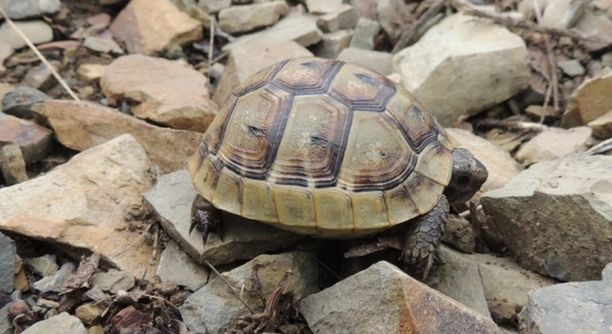
Greek tortoises are fascinating creatures, but if you notice your pet sleeping all day, it may raise concerns. Understanding why this behavior occurs can help ensure the well-being of your tortoise.
Several factors could explain why your Greek tortoise is sleeping excessively, including temperature regulation, diet, lack of stimulation, or even health issues. Inadequate lighting, improper enclosure conditions, or natural hibernation cycles may also play a role in this behavior.
Identifying the cause behind your tortoise’s sleeping patterns can lead to solutions that improve its health and activity levels. Understanding these factors is key to fostering a happier, healthier pet.
Lack of Proper Temperature
Your Greek tortoise relies on warmth to stay active and healthy. If the temperature inside its enclosure is too low, it can cause lethargy, making your tortoise sleep longer than usual. A temperature between 75-85°F during the day is ideal, with a basking spot reaching around 95°F. If the tank is too cold, your tortoise will not have the energy it needs to move around or feed properly.
A simple way to address this is by adjusting the heat in your tortoise’s habitat. You may need to add a heat lamp or a ceramic heat emitter. Always use a thermometer to monitor the temperature, ensuring it remains consistent throughout the day.
If your tortoise is housed in a cooler environment, its metabolic rate slows down, leading to reduced activity. This can also lead to issues with digestion and overall health, so providing a warm, stable environment is essential for its well-being.
Inadequate Lighting
Lighting plays a crucial role in your tortoise’s behavior and overall health. Without proper UVB lighting, your tortoise may not be able to process calcium, which is vital for strong bones and energy. This can make it lethargic and prone to excessive sleeping.
UVB lights are essential for stimulating your tortoise’s natural instincts and regulating its sleep-wake cycle. Make sure to replace the bulbs regularly, as UVB light weakens over time. Additionally, offering a natural day-night cycle will help your tortoise follow its internal clock, promoting a healthy balance of rest and activity.
Poor Diet
A lack of proper nutrition can significantly affect your tortoise’s energy levels. A diet lacking in essential vitamins and minerals, especially calcium and vitamin D3, can lead to lethargy and excessive sleeping.
Ensure your tortoise’s diet includes a variety of leafy greens, such as dandelion greens, kale, and collard greens. Adding fiber-rich foods like hay and grasses can improve digestion and overall health. Avoid feeding fruits and vegetables that are high in water content, as they do not offer the necessary nutrients for energy.
A balanced diet is crucial for maintaining a healthy tortoise. Without it, your pet may become weaker, sleep more, and struggle with other health issues. Regularly check your tortoise’s eating habits and adjust its meals accordingly.
Lack of Stimulation
Boredom can lead to your Greek tortoise sleeping more than normal. These animals are naturally curious and need a stimulating environment to stay active. Without the right environment, your tortoise may retreat into sleep as a way to pass the time.
To keep your tortoise engaged, ensure that its enclosure has different hiding spots, climbing structures, and places to explore. Changing the layout of the tank occasionally can help keep things interesting. You might also try introducing new objects, such as safe plants or rocks, to encourage foraging behavior.
Providing enrichment will help your tortoise stay physically active and mentally alert, which is essential for its overall health and well-being.
Stress
Stress can cause your Greek tortoise to sleep excessively. Changes in its environment, handling, or presence of other animals can lead to anxiety, which may manifest as increased sleep.
To reduce stress, maintain a calm and quiet habitat. Avoid excessive handling, especially when your tortoise is adjusting to its new home. Keep its enclosure in a place where it feels safe and undisturbed.
Stress can also make your tortoise more vulnerable to illness, so it’s important to minimize any stressors in its environment. A stable, peaceful setting can help your tortoise feel more secure and active.
Health Issues
Sleepiness can sometimes indicate underlying health problems, such as respiratory infections, parasites, or metabolic bone disease. These conditions can make your tortoise sluggish and less responsive.
If you notice other signs, like wheezing, weight loss, or changes in appetite, it’s important to consult a veterinarian. A proper diagnosis can help you address any health concerns and get your tortoise back to its usual self. Early intervention is crucial to prevent the condition from worsening and to ensure your pet’s long-term health.
Natural Hibernation Cycle
Greek tortoises, like many reptiles, have natural hibernation cycles, especially in colder months. During this time, they tend to sleep more to conserve energy.
If your tortoise is sleeping for extended periods during colder weather, it may be following its natural instincts. This is completely normal, as long as it’s not excessively lethargic or showing signs of illness. Understanding the seasonal changes in your tortoise’s behavior can help you provide the right care during this period.
FAQ
Why is my Greek tortoise sleeping so much?
If your Greek tortoise is sleeping excessively, it could be due to various factors. The most common reasons include improper temperature, poor diet, lack of stimulation, stress, or health issues. Make sure the temperature in its enclosure is between 75-85°F during the day, with a basking spot around 95°F. Ensure it’s getting a well-balanced diet with leafy greens and fiber-rich foods. Provide an enriched environment with objects to encourage natural behavior. If your tortoise continues to sleep a lot, it’s best to check for signs of illness and consult a vet.
What can I do to keep my Greek tortoise active?
To keep your tortoise active, create a stimulating environment. Include climbing structures, hiding spots, and areas for foraging. Regularly change the layout of the tank to provide new challenges. Offer a variety of food that encourages movement and activity, such as different types of greens. Daily or weekly handling can also help keep your tortoise more active, but avoid over-handling as this can cause stress. If the environment and diet are suitable, your tortoise should be more engaged and less inclined to sleep too much.
Can stress cause my tortoise to sleep all day?
Yes, stress can cause your tortoise to sleep more than usual. Changes in its environment, sudden temperature fluctuations, or the presence of other pets can lead to anxiety, making your tortoise retreat into sleep. It’s important to ensure that your tortoise’s habitat is calm and stable. Try not to disturb it too much and avoid unnecessary handling, especially during periods of adjustment. Keeping its environment quiet and secure will reduce stress and help your tortoise stay more active.
How can I tell if my tortoise is sick?
If your Greek tortoise is sleeping excessively and shows other signs like wheezing, nasal discharge, a lack of appetite, or weight loss, it could be suffering from an illness. Respiratory infections, metabolic bone disease, or parasitic infections are common health issues that can cause lethargy. If you notice any of these symptoms, it’s important to consult a veterinarian specializing in reptiles for a proper diagnosis and treatment. Early detection is key to ensuring your tortoise’s health and well-being.
What temperature should my tortoise’s enclosure be?
Maintaining the correct temperature in your tortoise’s enclosure is essential for its health. During the day, the temperature should be between 75-85°F. The basking area should reach around 95°F to allow your tortoise to regulate its body temperature. If the enclosure is too cold, your tortoise may become sluggish and spend more time sleeping. A heat lamp or ceramic heat emitter can help maintain the appropriate temperature. Make sure to monitor the temperature regularly with a thermometer.
Is it normal for my tortoise to sleep during the winter?
Yes, it’s normal for Greek tortoises to sleep more during the winter months. Many reptiles, including tortoises, follow a natural hibernation or brumation cycle, where they reduce their activity levels due to colder temperatures. This process allows them to conserve energy. However, it’s important to ensure your tortoise isn’t too cold during this period. If the enclosure is kept within the right temperature range, the sleep patterns should return to normal once the weather warms up.
Can my tortoise sleep too much?
While some sleeping is normal, especially in cooler months or when your tortoise is adjusting to a new environment, excessive sleeping may be a sign of a problem. If your tortoise is not waking up to eat, drink, or move around, there could be an underlying issue such as improper habitat conditions, a health problem, or stress. Monitor your tortoise closely and check its temperature, lighting, and diet. If the excessive sleep continues, a visit to the vet may be necessary.
What should I feed my Greek tortoise?
A proper diet is crucial for keeping your Greek tortoise active and healthy. Offer a variety of leafy greens such as collard greens, dandelion greens, and kale. You can also provide grasses, hay, and flowers like hibiscus. Avoid feeding fruits and vegetables high in water content, as they can lead to digestive issues. A small amount of calcium powder should be sprinkled on their food to ensure they get enough calcium for strong bones. Make sure your tortoise always has access to fresh water, and feed them daily to keep them energized.
How can I prevent my tortoise from becoming lethargic?
To prevent lethargy, ensure that your tortoise’s enclosure is set up correctly with the proper temperature, lighting, and humidity levels. A warm basking area and UVB lighting are essential for maintaining its energy. Provide a well-balanced diet with the right nutrients, and make sure your tortoise has enough space to explore. Keep the environment stimulating by adding safe plants and objects for your tortoise to interact with. Regularly monitor your tortoise’s health and behavior to catch any issues early.
Is my tortoise sleeping too much during the summer?
If your tortoise is sleeping excessively during the summer, it could be due to an issue with its environment or health. Greek tortoises are typically more active in the summer, so prolonged lethargy might suggest an underlying problem. Check that the temperature in its enclosure is not too high or low and that it’s getting enough stimulation. Make sure it is eating properly, and there are no signs of illness. If the issue persists, consider consulting a vet to rule out health concerns.
Final Thoughts
Understanding why your Greek tortoise sleeps all day is important to ensure it stays healthy and happy. A certain amount of sleep is normal for tortoises, especially during colder months when they may enter a brumation-like state. However, excessive sleep, especially in warmer weather, can indicate problems like incorrect temperatures, stress, or health issues. It’s essential to observe your tortoise’s behavior and provide the right environment to keep it active.
Maintaining a stable habitat is crucial for your tortoise’s well-being. Proper temperature, humidity, and lighting are necessary for its health. A basking area of around 95°F and a cooler area of 75-85°F during the day will allow your tortoise to regulate its body temperature and stay active. Regular feeding of fresh greens and access to fresh water will also help maintain its energy. If your tortoise continues to sleep excessively, it may be due to stress, illness, or other factors that require attention.
If you notice signs of illness, such as wheezing, discharge from the eyes or nose, or a lack of appetite, it’s crucial to consult a veterinarian. Early diagnosis and treatment can prevent further health complications. By providing your tortoise with the correct environment, proper nutrition, and a stress-free atmosphere, you’ll help it lead a healthier, more active life. Pay close attention to any changes in its behavior and take action when needed to ensure its long-term well-being.

Hello,
If you enjoy the content that we create, please consider saying a "Thank You!" by leaving a tip.
Every little bit helps us continue crafting quality advice that supports the health, happiness, and well-being of pets around the world, for pets of all shapes, sizes, and species.
We really appreciate the kindness and support that you show us!