
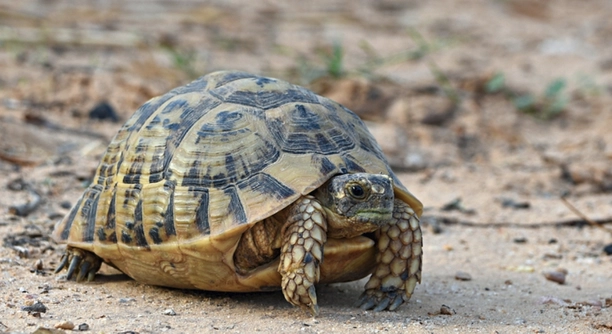
Greek tortoises are known for their unique and charming behaviors. If you’ve noticed your tortoise yawning frequently, it can be puzzling. Understanding the reasons behind this action can help you better care for your pet.
Yawning in Greek tortoises can occur for several reasons, including relaxation, stretching, or to aid in clearing their respiratory system. It is generally not a cause for concern but can sometimes indicate health or environmental issues that should be monitored.
There are several potential causes for your tortoise’s yawning. By understanding these factors, you can ensure your tortoise stays comfortable and healthy in its environment.
Relaxation and Comfort
Greek tortoises often yawn as a way to relax and stretch their muscles. Much like how humans yawn when they’re tired or need to stretch, tortoises may do the same to help themselves feel comfortable. These animals tend to be calm and enjoy basking in the warmth of their habitat. If your tortoise is yawning during rest or when it’s in a relaxed position, it’s usually just a natural behavior.
It’s important to make sure your tortoise’s environment is comfortable, as it may affect how often they yawn. A well-maintained habitat that provides warmth and a peaceful setting can help reduce unnecessary stress.
Make sure your tortoise has access to the right heat levels, as a cozy environment helps them feel more relaxed. Keeping a proper basking spot and an appropriate temperature gradient is key to reducing any stress. If everything feels just right, your tortoise will naturally be more content and less likely to show signs of discomfort. This may lead to fewer yawns as they feel at ease in their surroundings.
Respiratory Health
Sometimes, yawning can be linked to respiratory issues in tortoises. If your tortoise yawns excessively, it could indicate that they are struggling to breathe properly. Respiratory problems can be caused by poor air quality, incorrect temperatures, or even underlying infections.
If your tortoise’s yawning seems constant or is accompanied by other signs like wheezing or nasal discharge, it’s a good idea to visit a vet. Respiratory infections are common in reptiles and can worsen if not addressed quickly. Regularly checking the temperature and humidity levels in their enclosure can prevent respiratory problems from developing.
Taking care of your tortoise’s health is essential to ensure they thrive. Ensuring clean, well-ventilated conditions will help reduce the risk of respiratory issues, making sure your tortoise can breathe easily without discomfort. A vet visit might be needed if signs of illness are present.
Stress or Anxiety
If your tortoise feels stressed, it might start yawning more than usual. Stress can be caused by changes in its environment, handling, or even too much noise around its enclosure. Tortoises are sensitive creatures, and a stressful situation can cause them to display unusual behaviors, such as frequent yawning.
To help ease stress, try to keep a consistent routine for your tortoise. This includes feeding at the same time each day and maintaining a quiet, stable environment. Avoid sudden changes in the habitat, as well. If you recently moved their enclosure, they might need some time to adjust.
If the yawning continues and the tortoise shows other signs of stress, like hiding or refusal to eat, it might be necessary to reassess its surroundings. Stress can negatively impact its health, so it’s important to address any issues right away.
Dehydration
Yawning may also be linked to dehydration. Tortoises need access to fresh water at all times to stay hydrated. If they don’t drink enough, their body can become dry, causing them to yawn more frequently. Dehydration can also lead to other health issues that need attention.
Make sure your tortoise has clean water readily available. Sometimes they might not drink enough because the water is not in a shallow enough dish or not easily accessible. Consider placing a small, shallow dish in their enclosure where they can drink comfortably. This can encourage hydration and reduce the likelihood of excessive yawning.
If you suspect dehydration is the issue, ensure that your tortoise also has proper humidity in its environment. The right humidity level helps with moisture retention and overall health. Providing a gentle misting or a small water feature can help improve hydration levels and minimize yawning.
Overheating
Tortoises can start yawning if they’re too hot. Overheating can make them feel uncomfortable, causing them to exhibit yawning or stretching behavior. Their body naturally tries to cool down, and yawning might be a sign of distress.
If your tortoise is yawning excessively and seems sluggish, it could be a sign that the temperature is too high in their habitat. Ensure the temperature gradient is appropriate, with cooler areas for them to retreat to. This will help them regulate their body temperature properly.
Checking your tortoise’s basking area and making adjustments to the temperature can help avoid overheating. You want to ensure they can stay warm without getting too hot, which will help maintain a comfortable environment.
Lack of Activity
A sedentary tortoise may yawn more frequently, especially if it’s not getting enough exercise. Tortoises need space to roam and explore. If their enclosure is too small or lacks enrichment, they might yawn due to boredom or lack of physical stimulation.
Providing a larger enclosure and adding obstacles for your tortoise to climb on can encourage movement. Tortoises also enjoy natural sunlight, so taking them outdoors or creating an environment with plenty of natural light can increase activity levels. A more active tortoise is less likely to yawn out of frustration or boredom.
Ensuring your tortoise has the space to move around and the freedom to explore will help keep them active and engaged.
Age
As tortoises age, their behavior changes. Older tortoises may yawn more due to natural changes in their physical and mental state. Their metabolism slows down, and they may spend more time resting, leading to occasional yawning.
If your tortoise is getting older, don’t worry if you see more yawning than usual. It’s a part of the aging process. However, if you notice other signs of health decline, such as reduced activity or appetite, it might be a good idea to consult a vet. Aging tortoises still need regular care to ensure they remain healthy.
FAQ
Why is my Greek tortoise yawning so much?
Yawning is typically a normal behavior for Greek tortoises. It can be linked to relaxation, stretching, or even clearing their respiratory system. However, excessive yawning can sometimes indicate stress, dehydration, or overheating. If your tortoise is yawning frequently and showing other signs of discomfort, you may need to check the temperature, hydration, and overall environment.
Can yawning be a sign of illness in my tortoise?
In some cases, excessive yawning can be a sign of illness, especially if it’s paired with other symptoms like lethargy, loss of appetite, or respiratory sounds. Respiratory infections are common in reptiles and can cause them to yawn as they attempt to clear their airways. If you notice these additional symptoms, it’s best to consult a vet for a thorough check-up.
How can I tell if my tortoise is stressed?
Tortoises can show signs of stress in different ways, including excessive yawning, hiding, refusal to eat, or pacing around their enclosure. Stress can be caused by changes in their environment, such as temperature fluctuations, loud noises, or frequent handling. Make sure their habitat remains stable, and provide a quiet, calm space for them to feel secure.
How often should my Greek tortoise drink water?
Your Greek tortoise should always have access to fresh water. While they don’t drink a lot at once, they need constant access to it. Make sure the water is shallow and easy for them to reach. Some tortoises may not drink from standing water, so providing a moist environment or misting the enclosure can help with hydration.
What temperature is best for my Greek tortoise’s enclosure?
The ideal temperature for a Greek tortoise’s enclosure should have a gradient from 75°F (24°C) on the cooler side to around 95°F (35°C) in the basking area. The tortoise needs a warm spot to bask and digest food but should also have a cooler area to retreat to when needed. Make sure to monitor these temperatures regularly.
Can a tortoise get too hot?
Yes, Greek tortoises can get too hot if their basking area or enclosure temperature is too high. Overheating can lead to dehydration, stress, and other health problems. If your tortoise starts yawning excessively, is sluggish, or hides more often, it might be a sign that the enclosure is too warm. Adjust the temperature accordingly to ensure a proper temperature gradient in their habitat.
Is it normal for a tortoise to yawn after eating?
It is quite normal for tortoises to yawn after eating, as it helps them stretch their muscles and relax after a meal. Just like humans, tortoises may yawn when they feel satisfied or after exerting energy, like eating or moving around. As long as it doesn’t happen excessively or with other unusual behaviors, it’s perfectly fine.
Should I be concerned if my tortoise yawns but is still active?
If your tortoise is yawning but still active and eating normally, there’s usually no need for concern. Yawning can be simply a sign of stretching or relaxing, especially if your tortoise is moving around the enclosure or basking in the heat. Keep an eye on other potential signs of stress or illness, but if the yawning is occasional, it’s likely nothing to worry about.
What can I do if my tortoise is yawning because of dehydration?
If you suspect dehydration, ensure that your tortoise always has access to fresh water. Dehydration can sometimes be prevented by providing a shallow water dish that is easy for your tortoise to access. Additionally, misting the enclosure or providing a humid hide can help improve hydration. If the yawning persists, consult a vet for advice.
How can I help my tortoise if it’s yawning because of stress?
If stress seems to be the cause of excessive yawning, the first step is to check your tortoise’s environment. Make sure the habitat is stable in terms of temperature, humidity, and light. Avoid sudden changes, loud noises, or frequent handling that might stress your tortoise. Providing hiding spots and a calm, quiet environment can also help reduce stress.
Why is my tortoise yawning more as it gets older?
Yawning can become more frequent as tortoises age due to a decrease in activity levels and changes in their metabolism. Older tortoises tend to rest more and may yawn as a way to stretch or relax their muscles. As long as they are eating and behaving normally, this is typically not a cause for concern. However, if you notice a decline in other aspects of their health, it may be worth consulting a vet.
Is it normal for my tortoise to yawn during hibernation?
Yawning during hibernation is not typical, but some tortoises may yawn when waking up or during periods of light activity. If your tortoise is hibernating, it’s important to make sure the temperature is right and that it’s in good health before entering hibernation. If yawning happens outside of this period, it could indicate health concerns or environmental issues.
How can I tell if my tortoise is yawning due to overheating?
If your tortoise starts yawning more frequently and seems sluggish or is spending too much time in one spot, it might be a sign that the temperature is too high. Check the temperature in both the basking area and cooler zones of their habitat. If the basking spot is over 95°F (35°C), your tortoise may be trying to cool down. Adjusting the temperature can help relieve this issue.
Yawning in Greek tortoises is usually a normal behavior that can indicate several things, from stretching and relaxing to clearing their respiratory system. In most cases, it’s not something to worry about. However, it’s essential to keep an eye on the frequency of yawning and any other accompanying signs that could suggest a deeper issue. If your tortoise seems healthy overall and yawns occasionally, it’s likely just a natural part of its behavior.
If yawning becomes excessive or is combined with other concerning symptoms like lethargy, loss of appetite, or difficulty breathing, it might indicate stress, dehydration, or even a respiratory infection. In these cases, addressing the potential environmental stressors, such as temperature and humidity, could help. Regularly monitoring the habitat’s conditions and providing proper care, such as access to clean water and a suitable diet, will ensure your tortoise remains comfortable. If the problem persists, consulting a veterinarian is always a good option.
Overall, while yawning is generally harmless, being attentive to your tortoise’s behavior and health can help catch any underlying problems early. A well-maintained enclosure, a balanced diet, and a stress-free environment will go a long way in preventing unnecessary yawning or other health concerns. Always ensure that your tortoise’s needs are met, and remember that small changes in its routine or surroundings can have a big impact on its well-being.

Hello,
If you enjoy the content that we create, please consider saying a "Thank You!" by leaving a tip.
Every little bit helps us continue crafting quality advice that supports the health, happiness, and well-being of pets around the world, for pets of all shapes, sizes, and species.
We really appreciate the kindness and support that you show us!