
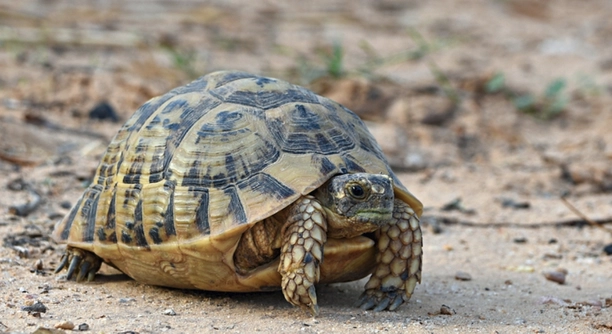
When caring for a Greek tortoise, providing the right diet is crucial. Their needs can sometimes be misunderstood, leading to mistakes that affect their health. It’s important to know what to avoid when feeding them.
To ensure your Greek tortoise stays healthy, it’s vital to avoid overfeeding, offering an imbalanced diet, feeding inappropriate foods, or neglecting proper hydration. Providing a variety of leafy greens and limiting fruits helps maintain a balanced nutritional intake.
By understanding these common feeding mistakes, you can support your tortoise’s well-being and longevity. Let’s explore what to avoid in detail.
Overfeeding Your Greek Tortoise
Overfeeding is a common mistake many owners make, believing that their tortoises need large portions of food. However, Greek tortoises are prone to obesity, which can lead to various health problems. They naturally graze on small amounts of vegetation throughout the day, which helps them maintain a healthy weight. If you provide them with too much food, especially high-calcium or fatty foods like lettuce or fruits, they can gain weight too quickly, impacting their mobility and overall health. It’s crucial to offer food in moderation and remove any uneaten portions after a few hours to avoid overfeeding.
Offering the right amount of food can be challenging, but it’s essential for their well-being. Paying attention to your tortoise’s body condition can help you adjust their food intake as needed.
Make sure to monitor their weight and offer appropriate portion sizes based on their age, size, and activity levels. In general, Greek tortoises should be offered small amounts of leafy greens and weeds like dandelion and clover each day. Fruits should be treated as an occasional treat rather than a regular food source. By being mindful of portion control, you can help your tortoise stay healthy and avoid the risks of overfeeding.
Imbalanced Diet
A diet that lacks variety or proper nutrients can cause long-term health issues in your Greek tortoise. It’s essential to provide a mix of different foods to ensure they receive all the necessary vitamins and minerals. An imbalanced diet often leads to deficiencies, such as poor shell development or digestive problems.
Greek tortoises need a diet rich in fiber, calcium, and low in protein. Offering only one or two types of food, like lettuce or fruit, can result in a lack of essential nutrients. Stick to providing leafy greens and grasses while avoiding foods high in sugar or protein, which can disrupt their digestive system. By offering a varied diet with appropriate food choices, you can support your tortoise’s overall health and avoid nutritional deficiencies.
Feeding Inappropriate Foods
Greek tortoises are herbivores, and feeding them inappropriate foods can lead to serious health issues. Many owners unknowingly offer foods that are toxic or harmful, such as iceberg lettuce or processed vegetables. These foods lack the necessary nutrients and can cause digestive problems or even poisoning. Avoid feeding them anything other than plant matter that is safe for tortoises.
Stick to a diet of fibrous plants, leafy greens, and weeds, all of which are nutritious and safe. Never feed them foods like dairy, meat, or processed human food, as these can lead to serious complications. Fresh grasses, dandelion greens, clover, and even hibiscus flowers are much better options.
Providing the right foods ensures your tortoise gets the nutrients it needs to thrive. When in doubt, always check if a plant is safe before offering it. It’s always safer to offer well-known, tortoise-friendly plants rather than risk a harmful option that could affect their health.
Neglecting Proper Hydration
Keeping your Greek tortoise well-hydrated is essential for its overall health. Many owners make the mistake of not providing enough fresh water or failing to create a humid environment. Without proper hydration, a tortoise can suffer from dehydration, which can lead to kidney problems or constipation. Make sure they have access to fresh water at all times.
Along with offering water, misting their enclosure or providing a shallow water dish for soaking can help keep them hydrated. A humid environment is essential for proper digestion and overall health. Avoid giving them water in deep bowls, as they may accidentally drown or get stuck.
Greek tortoises need hydration to aid digestion and prevent dehydration-related issues. Regularly check their water sources, ensuring they’re clean and filled with fresh water. Making hydration a priority will help your tortoise thrive in its environment.
Ignoring Dietary Variety
Feeding the same foods repeatedly is not ideal for your Greek tortoise. A lack of dietary variety can cause nutritional imbalances and lead to health problems. Offer a wide range of safe, plant-based foods to provide essential vitamins and minerals.
Change up the types of greens and weeds you provide, like adding collard greens, dandelion leaves, and mustard greens. Including different safe plants ensures they’re getting everything they need for good digestion and proper growth. A varied diet also helps keep their interest in food, making mealtime more enjoyable for them.
A diverse diet encourages better overall health. By incorporating different safe options into their meals, you reduce the risk of deficiencies and keep your tortoise active and strong.
Feeding Too Much Fruit
Fruit should be an occasional treat, not a main part of your Greek tortoise’s diet. Too much fruit can lead to an imbalance of nutrients, especially with high sugar content. Over time, this can cause digestive issues or obesity. Stick to offering fruit only once or twice a week.
Providing small amounts of fruit, such as berries or melon, ensures they don’t get too much sugar. Too much sugar can lead to a drop in the calcium-to-phosphorus ratio in their bodies, which is critical for their health. Keep fruit as a rare treat, not a regular meal.
By limiting their fruit intake, you prevent digestive problems and maintain a healthy diet. Make sure the fruit is cut into small, manageable pieces to prevent choking. It’s a simple change that can make a big difference in their health.
FAQ
What should I feed my Greek tortoise daily?
A Greek tortoise’s diet should consist primarily of leafy greens and fibrous plants. Offer a variety of safe greens like collard, dandelion, and mustard greens, along with weeds like clover, plantain, and hawkbit. You can also include edible flowers like hibiscus. Ensure they get a well-balanced selection to meet their nutritional needs.
Can I feed my Greek tortoise fruit every day?
Fruit should be an occasional treat, not a daily part of their diet. Too much fruit can lead to sugar imbalances, which might cause health issues like obesity or digestive problems. Offer fruit like berries or melon in small amounts no more than once or twice a week.
How often should I water my Greek tortoise?
Greek tortoises need access to fresh water at all times. Place a shallow dish of water in their enclosure for drinking and soaking. Make sure to clean the dish daily to avoid bacteria buildup. In addition to the water dish, you can mist their enclosure to maintain humidity, but never make it too wet.
Is it okay to feed my tortoise iceberg lettuce?
Iceberg lettuce is not ideal for Greek tortoises. It contains little nutritional value and can cause digestive issues. Instead, offer dark leafy greens like kale or collard greens, which are much more nutritious and provide the necessary fiber and vitamins.
How much food should I feed my tortoise each day?
Portion control is important. Overfeeding can lead to obesity, while underfeeding can cause malnutrition. A good rule is to provide a handful of food daily, including a mix of greens and weeds. Remove any leftover food after a few hours to prevent spoilage. Adjust portions based on your tortoise’s size and activity level.
Can I feed my Greek tortoise vegetables?
Yes, you can feed Greek tortoises some vegetables, but they should not be the main part of their diet. Offer small amounts of vegetables like squash, bell peppers, and carrots. Avoid starchy vegetables like potatoes, as they can upset their digestion.
Do Greek tortoises need supplements?
In most cases, a varied and well-balanced diet provides all the nutrients your tortoise needs. However, calcium supplements are often necessary to support their bone health. Dust their food with a calcium supplement (without phosphorus) a few times a week to ensure they get enough. Vitamin D3 can also be important if your tortoise doesn’t have regular access to natural sunlight.
Can I feed my tortoise wild plants?
Wild plants can be a great addition to your Greek tortoise’s diet, but they must be safe. Make sure the plants you pick are pesticide-free and non-toxic. Safe wild plants include dandelions, clover, and plantain. Always research any wild plant before offering it to avoid toxic plants.
Should I provide my Greek tortoise with a cuttlebone?
A cuttlebone is an excellent source of calcium for Greek tortoises and can be placed in their enclosure for them to nibble on. It’s a good way to help ensure they’re getting enough calcium for strong shells and bones. Make sure they have access to it at all times.
How do I know if my tortoise is getting enough food?
Your Greek tortoise’s body condition is the best indicator of whether they are getting enough food. They should not be too thin or overweight. If your tortoise feels bony or has a noticeable lack of muscle mass, it may not be eating enough. If your tortoise is gaining weight too quickly, it may be overfed. Regularly check their weight and adjust their food intake accordingly.
What if my tortoise isn’t eating?
If your Greek tortoise isn’t eating, first check the temperature and humidity in their enclosure, as improper conditions can cause them to lose their appetite. Make sure the food offered is fresh and varied. If they continue to refuse food, a visit to a reptile vet might be necessary to rule out health issues.
Can I feed my Greek tortoise bread or other human food?
No, you should never feed your Greek tortoise bread, grains, or any human food. These foods are not suitable for tortoises and can cause health problems. Greek tortoises are strictly herbivores, and their diet should consist of plant matter only. Stick to leafy greens, vegetables, and safe weeds.
Final Thoughts
Feeding a Greek tortoise can seem overwhelming at first, but it becomes much easier once you understand their nutritional needs. A balanced diet of leafy greens, weeds, and safe vegetables will ensure your tortoise stays healthy and strong. Avoid feeding them too much fruit or starchy vegetables, as this can lead to digestive problems or weight gain. Keeping their food varied is important for maintaining their overall health and well-being.
Additionally, supplements like calcium and vitamin D3 may be necessary to support their bone health, especially if your tortoise doesn’t have access to natural sunlight. Providing a shallow water dish for hydration and occasional soaking will also help keep your tortoise hydrated and comfortable. Regularly changing their food and maintaining a clean environment are simple but essential practices to prevent health issues.
Lastly, remember that every tortoise is unique, and it may take some time to find the right diet that works best for them. Pay attention to your tortoise’s behavior and body condition. If they seem overly sluggish or are not eating, it may indicate that something in their diet or environment needs adjustment. With proper care, your Greek tortoise will live a long, healthy life.

Hello,
If you enjoy the content that we create, please consider saying a "Thank You!" by leaving a tip.
Every little bit helps us continue crafting quality advice that supports the health, happiness, and well-being of pets around the world, for pets of all shapes, sizes, and species.
We really appreciate the kindness and support that you show us!