
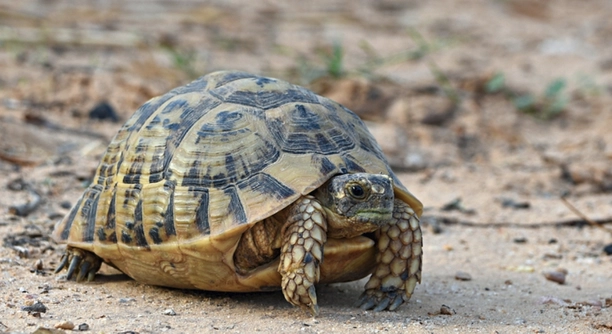
Greek tortoises are fascinating creatures, known for their unique behavior and care needs. As a pet owner, it’s important to understand how to handle them properly to ensure their health and happiness.
The best practices for handling a Greek tortoise involve gentle touch, proper support, and avoiding stress. Always approach them calmly, support their body with both hands, and avoid sudden movements. Handling should be brief and minimal to prevent distress.
Learning how to handle your Greek tortoise correctly is essential for both their comfort and yours. Proper handling ensures a positive relationship and promotes their well-being.
Handling with Care
Handling your Greek tortoise requires patience and care. These creatures are sensitive to stress, so it’s essential to approach them calmly. Always make sure you have a secure hold, using both hands to support their body, especially their shell. When lifting them, try to avoid picking them up by the legs or tail. This can cause discomfort or even injury. A good rule of thumb is to keep the handling sessions short. Your tortoise will feel safer when placed back on the ground promptly.
A calm and consistent approach is key to handling a Greek tortoise. Gentle support prevents stress and keeps the tortoise comfortable. Avoid grabbing them too quickly or handling them for long periods.
As much as you might want to interact with your tortoise frequently, it’s important to remember that Greek tortoises are naturally solitary. Excessive handling can be overwhelming for them, making it harder for them to adjust to their environment. Keep your interactions minimal and respectful. This also helps in building trust over time, letting your tortoise feel more secure and less anxious.
Creating a Comfortable Environment
Greek tortoises thrive in environments that mimic their natural habitat. They require a space where they can move around freely and feel safe. This means providing plenty of hiding spots, like small caves or shelters, where they can retreat when feeling stressed. A secure environment also includes a temperature-controlled area, as tortoises need warmth to regulate their body temperature.
Providing a comfortable environment is essential for your tortoise’s well-being. Ensure their enclosure has enough space to roam and hide when needed.
To maintain a proper habitat, focus on both heating and humidity levels. The ideal temperature for a Greek tortoise’s enclosure should range from 75°F to 85°F, with a basking spot that reaches around 90°F. If you’re housing your tortoise indoors, invest in a good quality UVB light, as this helps them absorb calcium and maintain strong bones. A shallow water dish is also necessary for hydration. A clean, dry enclosure helps prevent mold and bacteria, ensuring your tortoise remains healthy.
Feeding Your Greek Tortoise
A well-balanced diet is key to keeping your Greek tortoise healthy. They need a variety of greens, vegetables, and some fruits. Focus on dark, leafy greens like dandelion greens, collard greens, and mustard greens.
Greek tortoises are herbivores, so their diet should primarily consist of high-fiber plants. Avoid feeding them high-oxalate greens like spinach, as these can cause kidney issues over time. Add some flowers to their diet, such as hibiscus or clover, to provide extra variety and nutrients. Always wash the food thoroughly to remove pesticides. Too much fruit can upset their digestive system, so it should only be given occasionally.
It’s also important to ensure your tortoise has access to a source of calcium. This can be done through calcium powder or offering foods that naturally contain it. A shallow dish of water should be present at all times for hydration. Regular feeding of a variety of safe plants will help your Greek tortoise thrive, both physically and mentally.
Providing Proper Lighting
Greek tortoises require UVB light to stay healthy. This light helps them synthesize vitamin D3, which is crucial for calcium absorption. Without it, they can suffer from shell deformities and metabolic bone disease.
A UVB light should be placed in their enclosure, but it needs to be replaced every 6 months. Over time, the UVB rays emitted from the bulb can weaken. Make sure the light is positioned properly, around 12 inches above their basking spot, to ensure they get enough exposure.
Along with the UVB light, you’ll need a heat source, like a heat lamp, to create a basking spot. The basking area should reach 90°F, while the rest of the enclosure should be a few degrees cooler. This combination of heat and UVB light will help regulate your tortoise’s body temperature and provide essential nutrients.
Regular Exercise
Exercise is crucial for your Greek tortoise’s overall health. It helps with digestion and prevents obesity. A spacious enclosure allows them to roam and explore, encouraging natural behaviors.
Encouraging exercise is simple. Make sure their living space provides enough room for walking and digging. You can also let them roam in a safe, supervised outdoor area. This helps them stay active and stimulated.
Handling Stress
Stress can harm your tortoise’s well-being. Avoid frequent handling and ensure their environment remains calm. If they seem nervous or withdrawn, give them space.
It’s important to be aware of signs of stress, such as excessive hiding or loss of appetite. When handling, be gentle and avoid sudden movements. The more relaxed their environment, the healthier they will be.
FAQ
How often should I feed my Greek tortoise?
Feeding your Greek tortoise should be done once a day. Offer fresh greens, vegetables, and occasionally fruits. They prefer a varied diet, but avoid overfeeding fruits due to their sugar content. Ensure they get a good balance of high-fiber plants like dandelion greens and kale. Make sure food is clean and free from pesticides. The amount should be enough to last them the day without leaving much leftover, as this helps mimic their natural foraging behavior.
Can I let my Greek tortoise roam outside?
Yes, you can let your Greek tortoise roam outside, but it must be done in a safe, enclosed area. Make sure the area is free from predators like dogs, cats, or birds. The environment should be secure, with no access to roads or harmful plants. Greek tortoises love to explore, so offering them outdoor time will also help with exercise and natural behaviors. Always supervise their outdoor time to prevent accidents.
How can I tell if my Greek tortoise is sick?
Signs that your Greek tortoise may be ill include lack of appetite, lethargy, watery eyes, or abnormal behavior such as hiding excessively. If your tortoise is not moving or responding like usual, it might be time to visit a vet. Keep an eye on their stool for any signs of diarrhea or unusual colors, which can indicate digestive issues. Regular check-ups can also help catch any health problems early.
What temperature should I keep my Greek tortoise’s habitat?
The temperature for your tortoise’s enclosure should range between 75°F and 85°F during the day, with a basking area reaching 90°F. At night, the temperature can drop to around 70°F to 75°F. These temperature gradients allow your tortoise to move to cooler or warmer spots as needed, helping them regulate their body temperature. It’s essential to use a reliable thermometer and keep the heat consistent for their well-being.
Do Greek tortoises need a water source?
Yes, Greek tortoises need a shallow water dish in their enclosure at all times. They use the water for drinking and occasionally soaking. This helps them stay hydrated and supports their digestion. The water should be changed daily to prevent bacteria buildup. It’s important to keep the dish shallow to avoid any drowning risks, especially for younger or smaller tortoises.
Can Greek tortoises live with other animals?
Greek tortoises are solitary creatures and should not be kept with other species of tortoises or pets that could stress them out. While they can live in a shared space with other Greek tortoises, they may not always get along, especially during feeding time. Be mindful of territorial behaviors. For safety, it’s better to keep them in their own enclosure.
How do I handle a Greek tortoise properly?
When handling your Greek tortoise, always support its body with both hands. Avoid grabbing them by their legs or tail, as this can cause injury. Keep the handling sessions short and calm. Greek tortoises are sensitive to stress, so frequent handling should be avoided. Let them feel secure by placing them back on the ground after a few minutes of interaction.
What kind of lighting does a Greek tortoise need?
Greek tortoises need UVB lighting to help them absorb calcium and maintain healthy bones. A UVB light should be placed in their enclosure for about 12 hours a day. You’ll also need a heat source, such as a heat lamp, to provide a basking spot. The temperature should be around 90°F in the basking area and 75°F to 85°F in the cooler areas. Regularly replace the UVB bulb every 6 months to maintain its effectiveness.
How do I clean my Greek tortoise’s enclosure?
Cleaning your Greek tortoise’s enclosure is simple but should be done regularly. Remove uneaten food daily and clean the water dish. Every few weeks, you should disinfect the entire enclosure. Use a non-toxic cleaner and wipe down surfaces to prevent the buildup of bacteria. Change bedding, such as hay or sand, regularly to keep the habitat clean and dry.
Can I give my Greek tortoise a bath?
Yes, you can give your Greek tortoise a bath, but only occasionally. Fill a shallow dish with lukewarm water and let your tortoise soak for 15-20 minutes. This helps with hydration and keeps their skin and shell healthy. Never use hot water, and always supervise to ensure your tortoise is comfortable. After the bath, gently dry them off with a soft towel before returning them to their habitat.
Final Thoughts
Caring for a Greek tortoise requires attention and understanding of their unique needs. From providing a proper diet to maintaining their environment, every detail plays a role in their health and happiness. It’s essential to create a habitat that mimics their natural surroundings, with enough space, warmth, and lighting. Regularly check on their well-being and make sure their enclosure is clean and safe. Remember, their comfort and health are a direct result of how well you meet these needs.
Handling your Greek tortoise correctly is also an important part of their care. Being gentle and mindful of their stress levels helps build trust. Keep handling to a minimum, ensuring you always support their body properly. Over time, your tortoise will likely become more accustomed to your presence. However, it’s crucial not to push them past their comfort zone. Respecting their boundaries and observing their behavior will ensure you’re providing the best care possible.
By staying consistent with their diet, habitat, and handling, you’ll foster a healthy, content tortoise. While their care may seem involved at first, it becomes easier with time. Greek tortoises can live for many years if given proper care. Taking small steps to meet their needs will go a long way in ensuring their long-term health and happiness. By following these best practices, you’ll help your tortoise live a fulfilling and healthy life.

Hello,
If you enjoy the content that we create, please consider saying a "Thank You!" by leaving a tip.
Every little bit helps us continue crafting quality advice that supports the health, happiness, and well-being of pets around the world, for pets of all shapes, sizes, and species.
We really appreciate the kindness and support that you show us!