
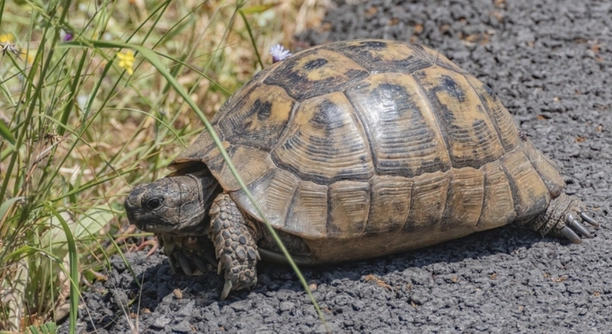
A Greek tortoise’s shell is a key indicator of its health. If you notice flakes or abnormalities, it could signal underlying issues. Understanding the causes and fixes for this problem is important for your tortoise’s care.
The primary reason for flaking in a Greek tortoise’s shell is inadequate humidity, nutrition, or environmental conditions. A dry or overly humid habitat, improper diet, and lack of UVB exposure can contribute to this issue. Addressing these factors is essential.
Understanding these causes and fixes can help restore your tortoise’s health and prevent further complications with their shell.
Inadequate Humidity Levels
Humidity plays a crucial role in maintaining a Greek tortoise’s shell health. If the environment is too dry, it can lead to flaking or shedding of the shell. Tortoises require a specific humidity range to remain healthy. A dry enclosure can cause dehydration and shell problems. You may notice that the shell becomes dry, cracked, or flaky. To avoid this, ensure that the humidity in the enclosure is maintained at optimal levels. Using a hygrometer will help monitor this. You can also increase humidity by misting the enclosure or using a humidity box. Proper humidity supports their natural shedding process and shell health.
While misting can help, it’s important not to overdo it, as excess moisture can lead to mold or bacterial growth, which could cause other health issues. Make sure to find a balance that suits your tortoise’s needs.
Maintaining appropriate humidity is vital, but it should be combined with proper diet and UVB exposure. Without all factors in place, your tortoise may struggle with shell issues, making it necessary to evaluate every aspect of its habitat.
Improper Diet
A Greek tortoise’s diet is directly tied to the condition of its shell. Without the right nutrients, the shell may become weak and start to flake. A balanced diet rich in calcium, fiber, and vitamins is essential for shell strength and overall health. Poor nutrition can result from offering the wrong types of food or not providing enough variety. When a tortoise doesn’t receive proper nutrients, its shell may suffer, leading to abnormal shedding or flaking. Ensure your tortoise has access to fresh greens, such as dandelion greens, and high-quality tortoise pellets. Additionally, supplements like calcium powder can aid in supporting shell growth and strength.
A proper diet helps maintain strong, healthy shells, preventing unwanted flaking.
Lack of UVB Exposure
UVB light is essential for a Greek tortoise’s overall health and shell development. Without it, they can develop soft, weak shells that are prone to flaking. Natural sunlight is the best source of UVB, but if that’s not available, UVB bulbs should be used.
UVB exposure helps tortoises synthesize vitamin D3, which is necessary for calcium absorption. Without proper calcium levels, the shell will weaken and begin to deteriorate. When setting up an enclosure, place UVB lighting within the recommended distance from your tortoise’s basking spot. Make sure the bulb provides the correct spectrum and is replaced regularly, as UVB output decreases over time.
A lack of UVB exposure can lead to serious long-term health problems for your tortoise. The importance of ensuring consistent access to UVB light cannot be overstated for proper shell care.
Overheating or Underheating
Temperature regulation is key for the health of your tortoise’s shell. If temperatures are too high or too low, it can cause stress and lead to flaking. The right temperature helps digestion and overall health.
In the wild, Greek tortoises are exposed to fluctuating temperatures. However, in captivity, it’s important to create a stable temperature gradient within the enclosure. One side should be warmer for basking, while the other should be cooler to allow for temperature regulation. Use a thermometer to keep track of the temperature, and adjust the heat lamps or heaters accordingly.
Too much heat can cause dehydration, while low temperatures can slow down metabolic functions. Both extremes put stress on the tortoise, leading to issues like flaking shells and poor overall health. Keeping the enclosure temperature stable is vital to avoiding these complications.
Mites and Parasites
Mites or parasites can irritate your tortoise’s shell, causing flaking or scabbing. These pests can weaken the shell and lead to further damage if left untreated. Regular checks for mites can help prevent this problem.
If you notice abnormal flaking, inspect the shell closely for signs of mites. They are usually small, visible, and can cause discomfort for your tortoise. If you find them, treatment is necessary to remove the parasites and stop any damage. There are medicated sprays and topical treatments available for safely removing mites.
Ensure that your tortoise’s habitat is clean and free of pests. Routine cleaning and inspections are essential to keeping parasites at bay.
Shell Injury
Injuries to the shell, such as cracks or breaks, can result in flaking. These injuries might occur from accidental falls or rough handling. When the shell sustains damage, it may not shed or grow properly, leading to abnormal flaking.
A shell injury requires prompt attention to prevent infection or further damage. Clean the wound with antiseptic and ensure the tortoise’s enclosure is clean and safe. In some cases, it may be necessary to seek veterinary care for a more severe injury. Always monitor the injury site to ensure proper healing.
Overgrown Scutes
Overgrown scutes can also cause the appearance of flaking. When scutes (the plates of the shell) do not shed properly, they can become too large and create uneven, flaking areas. It is important to ensure that your tortoise sheds its scutes naturally.
To help your tortoise with proper shedding, maintain correct humidity levels and make sure it has access to an appropriate surface to rub against. Overgrown scutes may also result from poor diet or low humidity. Regularly monitor your tortoise’s shell and assist in the shedding process if needed.
FAQ
Why is my Greek tortoise’s shell flaking?
Flaking is often a sign of underlying health issues, such as improper humidity, inadequate UVB light, poor diet, or parasites. It could also result from shell injuries or overgrown scutes. Addressing the environment, diet, and health of your tortoise can help resolve the issue.
What can I do to stop my tortoise’s shell from flaking?
To stop the shell from flaking, make sure your tortoise’s enclosure is kept at the right humidity and temperature levels. Provide access to UVB light, and ensure it is fed a balanced diet rich in calcium and fiber. Regular checkups for parasites and shell injuries are also important.
Is it normal for a tortoise to shed its shell?
Yes, shedding is a natural process for tortoises. As they grow, their scutes (the outer layers of the shell) will periodically shed. However, if the shell appears damaged or the shedding is excessive, it may indicate a health problem. Keep an eye on your tortoise’s shell for any abnormalities.
How do I provide the correct humidity for my tortoise?
Humidity levels should be monitored using a hygrometer. Mist the enclosure daily to maintain the right humidity, but avoid excessive moisture that could lead to mold. Providing a humidity box within the enclosure can also help regulate the levels, ensuring the tortoise’s shell stays healthy.
Can I use a heat lamp to provide UVB light?
Yes, a heat lamp can provide UVB light if it’s the right kind. Ensure you are using a UVB bulb that is specifically designed for reptiles. This should be placed within the recommended distance from your tortoise’s basking spot. Replace the bulb regularly, as the UVB output decreases over time.
How often should I replace the UVB bulb?
UVB bulbs lose their effectiveness after around 6 to 12 months, depending on the type. Even if the light still works, it may not be providing adequate UVB rays. To ensure proper exposure for your tortoise, replace the bulb at least once a year.
What can I do if my tortoise has mites?
If your tortoise has mites, treat them immediately with a reptile-safe mite treatment. You can use sprays or topical treatments available from pet stores or reptile veterinarians. Also, clean and disinfect the enclosure thoroughly to remove any remaining mites or eggs.
How can I tell if my tortoise is dehydrated?
Signs of dehydration in a tortoise include a sunken head or eyes, lethargy, and loss of appetite. If you suspect dehydration, increase water access by soaking your tortoise in shallow, lukewarm water for 20-30 minutes. Dehydration can also be prevented by maintaining the proper humidity in the enclosure.
What type of diet is best for a Greek tortoise?
A healthy diet for a Greek tortoise should be high in fiber and low in protein. Offer a variety of leafy greens such as dandelion greens, kale, and collard greens. Occasionally, you can supplement the diet with small amounts of fruits and flowers. Always avoid feeding them too much fruit or high-protein foods.
Why is my tortoise not eating?
Loss of appetite in tortoises can be caused by various factors, such as incorrect temperature, humidity, stress, or illness. If your tortoise is not eating for more than a few days, it’s essential to check the environmental conditions and consult with a vet if necessary.
How can I prevent my tortoise from getting shell injuries?
To prevent shell injuries, keep your tortoise’s enclosure free of sharp objects or hazards. Make sure the substrate is safe for burrowing and that the tortoise has enough space to roam. Avoid handling your tortoise too roughly, as this can cause unnecessary stress or injury.
Is it safe to handle my tortoise while its shell is flaking?
It’s best to limit handling if your tortoise’s shell is flaking, especially if it’s due to injury or illness. Handling can cause additional stress, and if the shell is weak, it could lead to further damage. Ensure the tortoise’s environment is properly set up and let it heal in a stress-free space.
What should I do if my tortoise has a cracked shell?
If your tortoise’s shell is cracked, clean the area with an antiseptic solution and apply a protective ointment to prevent infection. In more severe cases, consult a veterinarian who may apply a shell repair technique or suggest further treatment options to help the tortoise heal properly.
Do Greek tortoises need a special type of substrate?
Yes, Greek tortoises require a substrate that allows them to burrow comfortably while being safe for their shell. Use a mixture of soil, sand, and organic matter. Avoid using materials like cedar shavings, as they can be toxic. Keep the substrate dry to maintain the proper humidity levels.
What are the best temperatures for my Greek tortoise?
For a Greek tortoise, the basking area should be around 95°F, while the cooler side of the enclosure should be between 70°F and 75°F. The temperature gradient allows the tortoise to regulate its body temperature by moving between the warmer and cooler areas. Always use a thermometer to monitor the temperatures.
Final Thoughts
Taking care of a Greek tortoise requires attention to its environment, diet, and health. Flaking shells can be a sign of several issues, such as incorrect humidity, improper diet, or parasites. Regularly monitoring the enclosure, offering the right food, and ensuring your tortoise has the proper UVB light will support its overall well-being. If you notice changes in your tortoise’s shell, it’s important to address the problem early to prevent more serious health issues.
Healthy shell shedding is part of a tortoise’s growth process. However, when this process doesn’t go as expected, it could indicate something isn’t right with the habitat or care routine. Ensuring the right humidity and temperature, alongside a varied diet, can help your tortoise shed its scutes naturally. Regular checkups and a clean environment are essential in preventing or addressing potential issues such as shell injuries, mites, or other health concerns. Monitoring your tortoise closely will allow you to spot any problems early and take the necessary steps to fix them.
The well-being of a Greek tortoise relies on a balanced approach to care. As long as you remain vigilant about its environment and health, your tortoise can live a long and happy life. Pay attention to small details like shell condition, diet, and housing. If you’re unsure or notice anything concerning, always seek advice from a veterinarian with reptile expertise. A small change in your tortoise’s care routine can make a big difference in preventing future issues and ensuring it remains healthy.

Hello,
If you enjoy the content that we create, please consider saying a "Thank You!" by leaving a tip.
Every little bit helps us continue crafting quality advice that supports the health, happiness, and well-being of pets around the world, for pets of all shapes, sizes, and species.
We really appreciate the kindness and support that you show us!