
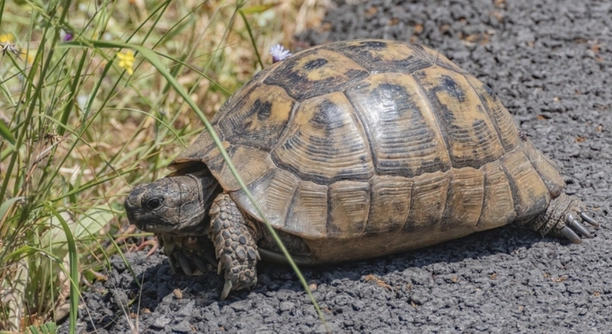
Tortoises are often known for their resilient nature, but when something appears off, like sunken eyes, it can be concerning. Understanding why this happens is crucial to ensuring your tortoise stays healthy and comfortable.
Sunken eyes in Greek tortoises usually indicate dehydration, malnutrition, or health issues like respiratory infections or parasites. Lack of proper lighting or humidity can also contribute. Identifying the cause quickly helps prevent further complications.
A deeper look into the common causes behind this condition can help you provide better care for your tortoise. Identifying the right issue will guide you toward effective solutions to keep them happy and healthy.
Dehydration and Improper Hydration
One of the most common reasons for sunken eyes in Greek tortoises is dehydration. These tortoises, like many reptiles, rely on proper hydration to maintain their health. When they don’t get enough water, their eyes may begin to sink. This can happen if they aren’t drinking enough water or if their environment doesn’t have the proper humidity levels. In the wild, tortoises often get water from the plants they eat, but in captivity, it’s up to us to make sure they’re properly hydrated. You should also ensure they have access to water at all times, even if they don’t drink from it immediately. Misting their enclosure can also help maintain the humidity needed to keep them hydrated.
To help avoid dehydration, ensure your tortoise has a shallow water dish that they can easily access. Regularly misting their habitat will also provide the moisture they need.
If you notice sunken eyes, start by offering more water, checking humidity, and adjusting their diet. This will help them recover quickly if dehydration is the cause.
Malnutrition and Diet Issues
Malnutrition can also lead to sunken eyes in your Greek tortoise. If they are not getting the right nutrients, their body may start showing signs of stress, and their eyes may sink in response. A poor diet can occur if their food lacks the essential vitamins and minerals they need for good health. Without these, your tortoise’s immune system can weaken, leaving them more vulnerable to infections or other health problems. To avoid this, make sure you’re feeding your tortoise a balanced diet rich in leafy greens, vegetables, and occasional fruit. Avoid feeding them too many sugary foods as they don’t provide much nutritional value.
A proper diet also supports their hydration needs, as many of the plants tortoises consume are high in water content. This makes providing them with a variety of fresh, safe food crucial for both hydration and nutrition.
By improving your tortoise’s diet, you will likely see their overall health improve, including the condition of their eyes.
Respiratory Infections
Respiratory infections can cause a range of symptoms, including sunken eyes. Tortoises with these infections often experience nasal discharge, wheezing, or labored breathing. If your tortoise is showing signs of respiratory distress along with sunken eyes, an infection might be the cause. These infections are usually caused by bacteria or viruses and can develop when the tortoise’s environment is too cold or not properly ventilated.
A respiratory infection requires immediate attention. If you suspect an infection, it’s important to get your tortoise to a vet who specializes in reptiles. They will likely prescribe antibiotics or other treatments to help fight the infection. Make sure to maintain a warm and dry environment to prevent further complications.
If treated early, your tortoise should recover fully. Ensure your tortoise’s habitat has proper temperature and humidity, and avoid drafts, as these can contribute to respiratory infections.
Incorrect Lighting and UVB Exposure
Sunken eyes can also be a result of improper lighting, specifically inadequate UVB exposure. UVB light is crucial for tortoises as it helps them synthesize vitamin D3, which is necessary for calcium absorption. Without proper UVB lighting, your tortoise may develop metabolic bone disease, which can lead to sunken eyes. It’s important to provide your tortoise with both UVB light and heat to mimic natural sunlight. Ensure that the light source is the right distance from your tortoise, as too much or too little exposure can lead to problems.
A UVB bulb needs to be replaced regularly, as its effectiveness decreases over time. The light should also be on for about 12 hours a day, simulating a natural day/night cycle. If you’re not sure about your tortoise’s UVB exposure, consider investing in a UVB meter to measure the intensity.
Maintaining proper lighting will help your tortoise stay healthy and may prevent sunken eyes caused by vitamin D3 deficiency or other related health issues.
Parasites and Infections
Parasites can also lead to sunken eyes in Greek tortoises. Internal parasites, such as worms or protozoa, may cause malnutrition, dehydration, or overall weakness. These factors can make the eyes appear sunken. Parasites can enter your tortoise’s system through contaminated food or water.
If you notice sunken eyes and suspect a parasite issue, a vet can perform a fecal test to determine the presence of any parasites. Treating with medication prescribed by your vet can clear up the issue, but it’s important to keep your tortoise’s living environment clean to prevent reinfection.
Regular deworming and proper hygiene can help prevent parasitic infestations from affecting your tortoise’s health.
Poor Habitat Conditions
Your tortoise’s habitat plays a major role in its overall health. Poor habitat conditions, such as improper humidity or temperature, can lead to dehydration and stress, causing sunken eyes. If the temperature is too low, your tortoise’s body functions can slow down, and it will have difficulty staying hydrated.
Make sure your tortoise’s enclosure is equipped with a basking area with appropriate temperatures. A humid hide or shallow water dish will help maintain moisture levels. Regularly clean the habitat to prevent the buildup of bacteria and ensure a healthier environment.
Proper habitat conditions help your tortoise thrive and prevent many health problems, including sunken eyes.
FAQ
Why do sunken eyes in my Greek tortoise appear suddenly?
Sunken eyes can appear suddenly if there is a rapid change in your tortoise’s environment, such as dehydration, stress, or sudden illness. These changes might be due to a drop in humidity, incorrect temperatures, or a shift in diet. If your tortoise wasn’t properly hydrated, it can quickly show signs of dehydration, which causes the eyes to sink. Additionally, respiratory infections or parasites may cause rapid deterioration of their condition. It’s important to act quickly and assess the situation—check their habitat, hydration, and general health.
How can I tell if my tortoise is dehydrated?
Signs of dehydration in a tortoise include sunken eyes, dry skin, lethargy, and a lack of appetite. You can also check the skin by gently pinching it. If the skin doesn’t immediately return to its normal position, your tortoise is likely dehydrated. Offering fresh water in a shallow dish and misting the enclosure with water can help. Regular hydration and keeping the environment at the right humidity level are crucial for preventing dehydration.
Can dehydration cause other health issues in tortoises?
Yes, dehydration can cause a variety of health problems in tortoises, including kidney damage, metabolic problems, and digestive issues. If left unaddressed, dehydration can lead to more severe conditions like organ failure or even death. It’s essential to maintain a consistent water supply and humidity levels in their habitat to avoid these risks. Regularly monitor your tortoise’s condition and take action as soon as you notice any signs of dehydration.
How can I prevent sunken eyes in my tortoise?
Preventing sunken eyes involves maintaining proper hydration, diet, lighting, and habitat conditions. Ensure your tortoise has access to clean water at all times and provide food with high moisture content. Maintain an appropriate level of humidity in the enclosure and monitor the temperature to avoid any drops that could cause stress. Also, ensure they have proper UVB lighting to support their calcium absorption and overall health. Regular checks and a balanced environment will help prevent health issues, including sunken eyes.
What type of food should I feed my Greek tortoise to prevent health problems?
To prevent health problems, feed your Greek tortoise a balanced diet that includes leafy greens like dandelion greens, collard greens, and mustard greens. Offer occasional vegetables like bell peppers or squash, and limit high-sugar fruits like melon. Ensure the food is rich in fiber and low in protein, as excessive protein can cause kidney strain. A proper diet will keep them hydrated and healthy, minimizing the risk of conditions like sunken eyes.
Can poor lighting cause sunken eyes in a tortoise?
Yes, poor lighting, particularly inadequate UVB exposure, can cause sunken eyes and other health issues like metabolic bone disease. Without UVB light, a tortoise cannot produce enough vitamin D3, leading to calcium deficiency, weak bones, and sunken eyes. It’s essential to use UVB bulbs specifically designed for reptiles and replace them every six months to ensure your tortoise gets the necessary amount of light for health.
Should I take my tortoise to the vet if its eyes are sunken?
If your tortoise’s eyes are sunken and you’re unable to identify or fix the issue through environmental changes, it’s a good idea to take them to a vet. A reptile vet can diagnose underlying conditions like dehydration, infections, or parasites and provide proper treatment. Early intervention can prevent more severe health problems from developing, so don’t hesitate to seek professional help if needed.
Can stress cause sunken eyes in tortoises?
Yes, stress can lead to sunken eyes in tortoises. Stress can be caused by various factors, such as a noisy environment, handling too often, or territorial disputes if there are other animals in the habitat. Stress can lead to dehydration, lack of appetite, and weakened immune systems, making your tortoise more susceptible to infections. Ensure your tortoise’s environment is calm, quiet, and free from disturbances to minimize stress. Additionally, maintaining proper humidity and temperature levels will help keep stress levels down.
How can I tell if my tortoise has a respiratory infection?
Respiratory infections in tortoises are characterized by labored breathing, wheezing, nasal discharge, and sunken eyes. If your tortoise is showing these symptoms, it may be suffering from an upper respiratory infection. Respiratory infections can worsen quickly, so it’s important to get your tortoise to a vet as soon as you notice any signs of illness. The vet will determine the type of infection and provide medication to treat it.
What is the best way to maintain proper humidity for my tortoise?
Maintaining proper humidity can be achieved by using a humidity gauge and misting the enclosure regularly. Greek tortoises require a humidity level between 50-70%. You can also create a humid hide, which will help your tortoise find a moist environment when it needs it. Additionally, ensuring the water dish is shallow but accessible will encourage your tortoise to drink more. Avoid over-misting, as it can lead to mold or a too-wet environment, which can cause other health issues.
Can parasites be prevented in Greek tortoises?
Parasites can be prevented by maintaining a clean habitat and feeding your tortoise properly. Always wash any fresh food you give them and avoid allowing them to eat anything from the wild. You should also regularly clean the tortoise’s habitat to prevent parasites from building up in the environment. Regular vet check-ups and fecal exams can also help catch any parasite issues early, preventing further health complications.
Sunken eyes in Greek tortoises can be a sign of several underlying issues. The most common cause is dehydration, which can happen when a tortoise doesn’t get enough water or when the humidity levels in its environment are too low. A dehydrated tortoise may also show other signs like lethargy or a lack of appetite. If dehydration is suspected, increasing water intake and improving the humidity in their habitat can help. Always ensure that your tortoise has access to clean water and that its enclosure is properly misted to prevent dehydration. Regularly checking their eyes, skin, and overall behavior will help you catch any health problems early on.
Another major cause of sunken eyes can be related to diet and nutrition. Greek tortoises require a balanced diet rich in leafy greens, vegetables, and fiber. Feeding them a variety of foods ensures that they get all the necessary vitamins and minerals they need for good health. If your tortoise isn’t getting the right nutrition, it could lead to malnutrition, which may manifest as sunken eyes and other symptoms. To prevent this, offer fresh, safe food options and avoid high-protein or high-sugar items that can upset their digestive system. The right diet not only helps prevent health issues but also supports proper hydration and overall well-being.
In some cases, sunken eyes may be caused by more serious health issues like respiratory infections or parasites. These conditions can cause a tortoise’s immune system to weaken, resulting in dehydration and other symptoms. If you notice that your tortoise’s condition isn’t improving with changes to hydration or diet, it’s important to consult a vet. Early intervention can make a big difference, as these infections and infestations can quickly become severe if left untreated. A vet will be able to identify the cause and provide the necessary treatment to help your tortoise recover. By staying proactive with their care, you can ensure that your tortoise leads a healthy, comfortable life.

Hello,
If you enjoy the content that we create, please consider saying a "Thank You!" by leaving a tip.
Every little bit helps us continue crafting quality advice that supports the health, happiness, and well-being of pets around the world, for pets of all shapes, sizes, and species.
We really appreciate the kindness and support that you show us!