
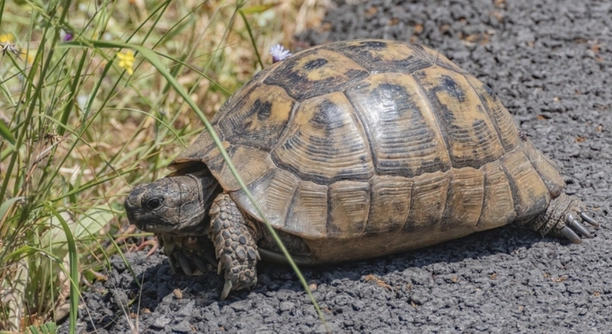
As a pet owner of a Greek tortoise, you may notice it shedding its skin from time to time. This is a normal part of their growth process. However, it’s important to monitor this behavior to ensure their health.
When your Greek tortoise is shedding, it could be due to a variety of factors such as temperature changes, humidity, or improper diet. Stress and seasonal changes can also trigger shedding. Close attention to their environment will help you address any concerns.
Knowing how to care for your tortoise during shedding can help prevent issues. Understanding these factors will ensure your tortoise’s comfort and well-being. Keep reading to find out how to support your pet during this natural process.
1. The Role of Temperature and Humidity
Shedding is a common process for Greek tortoises, and it’s strongly influenced by their environment. A proper temperature and humidity level are essential for them to shed effectively. If the conditions are too dry or too cold, it can lead to incomplete shedding, which may cause irritation or skin issues. Ensure their habitat is kept between 75°F and 85°F (24°C to 29°C) with a humidity level of around 50%. This allows their skin to shed without complications. Too much humidity, however, can cause other issues, like fungal infections.
If the temperature drops too low, the shedding may be delayed or hindered. Providing a warm basking area and using a humidity-controlled enclosure can create a more natural environment, supporting their health. Regular monitoring will help you identify if any adjustments are necessary for their well-being.
While you can’t control the seasons, maintaining a stable environment helps ensure a smoother shedding process. Make sure their habitat reflects the conditions that best suit their needs for healthy skin and proper shedding.
2. Nutritional Impact
Diet plays a key role in the shedding process. Poor nutrition can lead to dry or unhealthy skin, making it harder for your tortoise to shed effectively. A well-balanced diet of leafy greens, high-fiber grasses, and some fruit is essential for their overall health. Lack of vitamins and minerals can cause shedding issues, so it’s important to offer a variety of fresh foods. A diet deficient in calcium, for example, may result in weakened bones and unhealthy skin. To avoid this, make sure they receive a calcium supplement if needed.
A proper diet helps your tortoise shed naturally and comfortably. The right foods promote skin health and provide the necessary nutrients for them to grow properly. A healthy tortoise will shed more easily, leading to better overall health.
Incorporating different types of food ensures they get the variety and balance they need. Regularly offering a range of appropriate foods is key for maintaining their health throughout their shedding cycle.
3. Stress and Overhandling
Stress can play a big part in shedding problems. If your tortoise feels threatened or uncomfortable, it may delay or affect their shedding. Overhandling or sudden changes in their routine can cause anxiety, leading to difficulty during the process. Avoid picking them up too often, as this could increase their stress levels.
To reduce stress, provide a quiet environment where your tortoise feels safe. A stable habitat with minimal disturbances will help them adjust better to the shedding cycle. Also, ensure they have a consistent feeding schedule and a comfortable space to roam. Stress-free environments contribute to healthy skin and smooth shedding.
By avoiding unnecessary handling and offering a calm, secure space, your tortoise will be more likely to shed naturally. Creating this balance helps prevent other health issues while promoting their overall comfort and well-being.
4. Seasonal Changes
Seasonal shifts can trigger shedding in Greek tortoises. As the weather changes, they naturally begin to shed their old skin. This is most common during spring and fall when their activity levels and metabolism are more active. Temperature fluctuations during these times can signal to the tortoise that it’s time to shed.
Understanding the seasonal patterns can help you adjust your tortoise’s care routine accordingly. During the shedding phase, their skin may become more fragile and prone to cracking. Be sure to monitor the humidity and temperature closely during this time to maintain optimal conditions. Keeping their environment stable will help manage the effects of seasonal changes on their skin.
Even though you can’t control the seasons, maintaining ideal conditions year-round allows your tortoise to naturally adjust to these changes. Seasonal shifts are a normal part of their life cycle, but keeping their habitat comfortable ensures they shed properly without complications.
5. Incomplete Shedding
Incomplete shedding can cause skin buildup, leading to irritation. If the old skin doesn’t come off in one piece, it may get stuck, especially around the legs or head. This can be uncomfortable for your tortoise and might require your attention.
If you notice incomplete shedding, you can help by gently soaking your tortoise in lukewarm water. This will soften the skin and make it easier to remove. Using a damp cloth to gently rub the affected areas may help remove any stuck skin. It’s important to do this carefully to avoid hurting your tortoise.
Regular monitoring during the shedding process will allow you to identify incomplete shedding early. Offering proper humidity and temperature control can prevent these issues from becoming problematic.
6. Possible Health Concerns
Shedding problems can sometimes indicate underlying health issues. If your tortoise is shedding excessively or not at all, it could be a sign of dehydration, parasites, or other illnesses. A change in shedding patterns should never be ignored.
A visit to the vet is necessary if there’s a sudden or unusual shedding pattern. Dehydration is a common issue that can be solved by adjusting their water intake or misting their enclosure. If health problems persist, professional guidance is key to resolving any underlying conditions before they worsen.
FAQ
How often do Greek tortoises shed?
Greek tortoises typically shed every few weeks to months, depending on their age, health, and environmental factors. Younger tortoises tend to shed more frequently as they grow, while adults shed less often. The shedding process can vary, but it generally happens in small, gradual pieces. Monitoring their skin can help identify the shedding pattern, allowing you to adjust their care routine if necessary.
Why is my Greek tortoise shedding so much?
Excessive shedding could be a sign of several factors, such as improper humidity, temperature, or stress. Environmental changes, like the introduction of new elements to their habitat, can also trigger shedding. Additionally, shedding can become more pronounced if the tortoise is growing or if there are seasonal changes. Pay attention to your tortoise’s surroundings and make adjustments to ensure they are comfortable and stress-free.
Can I help my Greek tortoise shed?
Yes, you can assist by ensuring that the environment is conducive to shedding. Proper humidity, temperature, and a balanced diet all help support the shedding process. If your tortoise is having trouble shedding, soaking them in lukewarm water for 10-15 minutes can soften the skin. You can gently rub any stuck areas with a damp cloth, but be careful not to cause harm.
How can I prevent incomplete shedding in my tortoise?
To avoid incomplete shedding, ensure your tortoise has a stable environment with appropriate humidity and temperature. Keep their enclosure moist enough to aid in the shedding process. If you notice areas where the skin is not shedding properly, try soaking your tortoise to soften the skin. Gently remove any stuck patches with care to avoid injury.
What should I do if my Greek tortoise has stuck shed around its eyes or legs?
Stuck shed around the eyes or legs can be problematic if not addressed. It can cause discomfort or even affect vision. If you notice stuck skin around the eyes, carefully soak your tortoise in warm water to soften the skin. Using a damp cloth, gently rub the areas where the skin is stuck. If the skin doesn’t come off easily, consider contacting a vet for further assistance. Do not force the skin off, as this could cause injury.
Why is my tortoise’s shell peeling?
The peeling of a tortoise’s shell is usually a normal process known as scute shedding. This is part of their growth cycle, where the outer layer of the scutes naturally sheds to make room for new ones. However, if the shell peeling appears excessive or accompanied by signs of infection or weakness, it may indicate a health issue. Ensure that your tortoise is getting the proper nutrients and that their environment is healthy to avoid shell-related issues.
Is shedding painful for my Greek tortoise?
Shedding is generally not painful for tortoises. It’s a natural process that happens as they grow. However, if the shedding process is hindered by dry or stuck skin, it can cause discomfort or irritation. To prevent this, maintain proper humidity and temperature levels, and provide your tortoise with the right diet. If you notice signs of pain or distress, seek veterinary care.
What can I do if my tortoise is not shedding at all?
If your tortoise isn’t shedding at all, there may be environmental or health factors at play. Inadequate temperature, humidity, or diet can affect the shedding process. Check that your tortoise’s habitat is set up properly, and ensure they are receiving the right nutrition. If these factors are in order and shedding still isn’t happening, it may be time to consult a veterinarian to rule out health concerns.
Can stress affect my tortoise’s shedding?
Yes, stress can affect a tortoise’s shedding process. If your tortoise is stressed due to overhandling, changes in its environment, or lack of proper care, it may not shed properly. Stress can lead to delayed or incomplete shedding, which can cause discomfort or skin issues. To reduce stress, ensure your tortoise has a calm, stable habitat, with minimal disturbances.
How long does it take for my tortoise to shed completely?
The time it takes for a tortoise to shed completely depends on several factors, such as age, health, and environmental conditions. In general, a full shed can take anywhere from a few days to a few weeks. Young tortoises shed more frequently and may take less time to complete the process. Keep an eye on the progress, and if the shedding is incomplete, provide extra care as necessary.
Does shedding affect my tortoise’s appetite?
Some tortoises may experience a slight decrease in appetite while shedding, but it’s generally not a significant issue. The shedding process can be taxing, and they may eat less during this time. Ensure your tortoise has access to fresh food and water, and if their appetite significantly decreases or they show signs of illness, consult a vet.
Can my Greek tortoise shed during hibernation?
Hibernation can temporarily stop the shedding process since the tortoise’s metabolism slows down during this time. However, once the tortoise is active again, shedding should resume naturally. Ensure that your tortoise has the proper conditions for hibernation, and monitor them closely after waking up to ensure they shed correctly.
Final Thoughts
Shedding is a natural and essential process for your Greek tortoise, helping them grow and maintain healthy skin. Understanding the shedding cycle and being aware of potential issues will help you provide the best care for your pet. By ensuring that your tortoise’s environment is suitable, with proper humidity, temperature, and diet, you can make the shedding process smoother and less stressful. Regular observation is key to noticing any problems early, allowing you to take quick action if necessary.
While shedding is normal, it’s important to know when something may be wrong. If your tortoise’s shedding is excessive, incomplete, or causing visible discomfort, it’s crucial to intervene. Simple steps like soaking your tortoise in warm water can help ease the shedding process, especially if the skin is stuck in certain areas. Creating an environment that mimics their natural habitat can also help them shed properly. If you’re ever unsure about your tortoise’s shedding, seeking guidance from a vet is always a good option.
Caring for a Greek tortoise requires attention to detail, especially when it comes to shedding. By maintaining the right conditions and knowing what to look for, you can ensure your tortoise remains healthy and comfortable throughout their shedding cycle. Taking these small steps will not only improve their overall well-being but also prevent any potential issues. Keep monitoring their skin, and with the right approach, your tortoise will shed successfully without complications.

Hello,
If you enjoy the content that we create, please consider saying a "Thank You!" by leaving a tip.
Every little bit helps us continue crafting quality advice that supports the health, happiness, and well-being of pets around the world, for pets of all shapes, sizes, and species.
We really appreciate the kindness and support that you show us!