
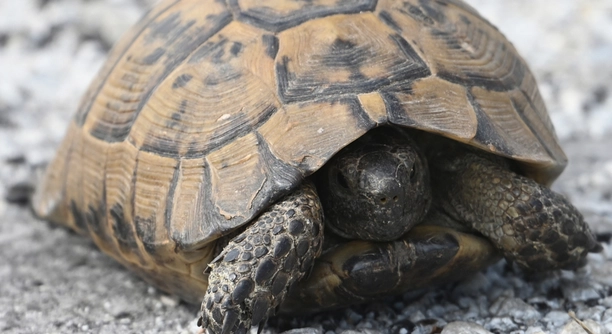
Greek tortoises are known for their varied diet, which includes a wide range of plants and vegetables. Owners often wonder if certain herbs, like cilantro, are safe for their pets. It’s important to know what’s best for them.
Greek tortoises can eat cilantro in moderation. This herb provides a good source of vitamins and minerals, but feeding it too frequently may cause digestive issues. It is best to offer cilantro occasionally as part of a varied diet.
Knowing when and how to feed cilantro can prevent any potential health concerns. It’s important to balance their diet with other greens for optimal well-being.
Benefits of Cilantro for Greek Tortoises
Cilantro can offer a few health benefits to Greek tortoises when fed sparingly. It contains a range of nutrients, including vitamins A and K, which are essential for their health. Vitamin A promotes good vision and immune function, while vitamin K plays a role in blood clotting and bone health. Additionally, cilantro has small amounts of antioxidants that help protect against cellular damage.
However, cilantro should never be the main food in their diet. It’s best used as a supplement to other greens like dandelion leaves, clover, and grasses. Providing variety helps ensure that your tortoise receives a wide array of nutrients that are vital for their overall health and longevity.
Including cilantro once or twice a week should be sufficient for most tortoises, helping to avoid overfeeding and potential digestive upset. Be sure to wash it thoroughly to remove any pesticides or contaminants. Offering fresh cilantro will provide some nutritional value without overwhelming their digestive system.
When to Avoid Cilantro
While cilantro can be a healthy treat for Greek tortoises, it is important to be mindful of when to avoid it.
Excess cilantro can disrupt their digestive system, leading to diarrhea or other gastrointestinal problems. If your tortoise has any pre-existing health conditions or is prone to digestive issues, it’s best to limit cilantro entirely. Additionally, if your tortoise shows any signs of discomfort or stress after consuming cilantro, consider removing it from their diet altogether.
If cilantro is offered too frequently, it could unbalance the tortoise’s diet, especially if it’s not combined with other essential greens. Keeping a close eye on your pet’s reactions will help you gauge whether cilantro is a suitable addition.
The Right Way to Introduce Cilantro to Your Tortoise’s Diet
Start by offering a small amount of cilantro to your Greek tortoise to see how they respond. Observe if they enjoy it and if their digestion remains stable. It’s important to avoid overwhelming their system with a large quantity at once.
Introduce cilantro gradually, offering it alongside other greens that are already part of their diet. This ensures they have a variety of food options and prevents them from becoming overly reliant on cilantro. If they seem to tolerate it well, you can increase the portion size slightly. However, always keep in mind that moderation is key.
Avoid using cilantro as the primary food choice. Your tortoise’s digestive system thrives on a balance of grasses, leaves, and other vegetables. Cilantro should remain a supplemental herb rather than a staple in their meals.
Best Greens for Greek Tortoises
Greek tortoises thrive on a variety of leafy greens and plants. Dandelion leaves, clover, and mustard greens are great options. These greens are rich in calcium, fiber, and other nutrients that help maintain healthy bones and a strong digestive system.
When providing fresh greens, be sure to offer a mix of dark, leafy vegetables. Variety helps prevent any single nutrient from becoming too dominant, which could lead to imbalances. Over time, you’ll discover what your tortoise enjoys the most while keeping their diet diverse and nutritious. The right balance is essential for long-term health.
Additionally, always ensure that the greens offered are free of pesticides or chemicals, as these can harm your tortoise. Rinsing the vegetables thoroughly is an important step to remove any contaminants that could cause digestive upset.
Signs of Digestive Issues
If your Greek tortoise experiences diarrhea, bloating, or lethargy after eating cilantro, it may indicate that they are having trouble digesting it. These are common signs that their digestive system is overloaded or not reacting well to cilantro.
In some cases, tortoises may experience a loss of appetite or avoidance of food after consuming cilantro. This can also be a signal that they are not tolerating it properly. If these issues persist, it’s best to remove cilantro from their diet and consult a vet to rule out other health concerns.
A sudden change in behavior can often signal dietary issues, so monitoring your tortoise after feeding cilantro is important.
Importance of Hydration
Hydration is essential for Greek tortoises, especially when introducing new foods like cilantro into their diet. Always provide fresh, clean water for them to drink. Keeping them hydrated helps with digestion and prevents constipation.
Offering a shallow water dish in their enclosure ensures they can drink whenever they need it. It’s also helpful to regularly mist their enclosure, especially during warmer weather, to maintain humidity levels and promote healthy hydration.
Healthy hydration supports their overall well-being and complements their diet of fresh greens and herbs.
Potential Alternatives to Cilantro
If cilantro doesn’t seem to agree with your Greek tortoise, there are plenty of other herbs and greens to offer instead. Basil, parsley, and thyme are great alternatives that provide a variety of nutrients.
These herbs can be fed in small amounts alongside other greens to ensure a balanced diet. Make sure to introduce these alternatives slowly, observing your tortoise’s reaction to avoid any digestive disturbances. A variety of fresh, leafy vegetables and safe herbs will keep your tortoise healthy and happy.
FAQ
Can Greek tortoises eat cilantro every day?
It’s not recommended to feed cilantro to Greek tortoises daily. While cilantro offers nutritional benefits, too much can cause digestive issues. It should be used occasionally as part of a balanced diet. A few times a week is sufficient for most tortoises. Always introduce it gradually and monitor your pet’s response.
Is cilantro safe for all tortoises?
Cilantro is generally safe for most tortoise species in moderation. However, some tortoises may have more sensitive digestive systems, so it’s important to observe their reactions. If you notice any signs of discomfort or digestive upset, remove cilantro from their diet and consult a vet if necessary.
What other herbs are good for Greek tortoises?
Basil, parsley, and thyme are excellent alternatives to cilantro. These herbs provide similar nutrients and can be fed in moderation. However, it’s important to offer a variety of plants, including grasses and leafy greens, to ensure a well-rounded diet for your tortoise.
Can cilantro cause diarrhea in tortoises?
Yes, cilantro can cause diarrhea if fed too frequently. It’s a herb with a high water content and can overwhelm the digestive system if consumed in excess. Keep the portion sizes small and offer cilantro sparingly to prevent digestive issues like diarrhea or upset stomach.
How can I tell if my tortoise is having a bad reaction to cilantro?
Signs of a bad reaction to cilantro include diarrhea, loss of appetite, lethargy, or bloating. If your tortoise shows any of these symptoms after eating cilantro, stop feeding it and observe their behavior. If symptoms persist, it’s best to consult a veterinarian for further advice.
Can cilantro be a staple in their diet?
Cilantro should not be a staple in a Greek tortoise’s diet. It is best offered as a treat or supplement. Overfeeding cilantro can cause an imbalance in their nutrition and digestive system. Focus on providing a variety of nutrient-rich greens to ensure long-term health.
How much cilantro should I feed my tortoise?
A small handful of cilantro once or twice a week is a good amount for most Greek tortoises. It can be part of a varied diet that includes other greens and vegetables. The key is moderation, as too much cilantro can lead to digestive upset or other health concerns.
Should I remove cilantro if my tortoise has a health condition?
If your tortoise has a health condition, it’s best to avoid cilantro unless advised by a vet. Cilantro may exacerbate digestive issues, especially in tortoises with pre-existing problems. Always consult your vet before making dietary changes if your tortoise is unwell.
Can I feed cilantro to a baby Greek tortoise?
Baby tortoises are more sensitive to certain foods, including cilantro. It’s best to avoid feeding cilantro to young tortoises, especially if they are under six months old. Stick to safer, easy-to-digest foods like dandelion leaves, grasses, and other baby-friendly greens.
What is the best way to prepare cilantro for my tortoise?
Cilantro should be washed thoroughly to remove any pesticides or chemicals. Once clean, you can cut it into smaller pieces if needed. Avoid cooking or seasoning the cilantro, as it’s best served raw to retain its full nutritional value. Always offer fresh cilantro instead of dried.
Can cilantro be harmful if not washed properly?
Yes, cilantro can be harmful if not washed properly. Pesticides and chemicals used in growing cilantro can cause digestive issues or poisoning in tortoises. Always wash herbs thoroughly before offering them to your pet, especially if you’re unsure about the source or if it’s conventionally grown.
Final Thoughts
Cilantro can be a healthy addition to a Greek tortoise’s diet when fed in moderation. This herb offers various nutrients like vitamins and antioxidants, which can support your tortoise’s overall health. However, it’s important to remember that it should not be the main component of their diet. Greek tortoises require a variety of leafy greens, grasses, and vegetables to meet their nutritional needs. By providing a range of different foods, you ensure your tortoise stays well-balanced and gets the necessary nutrients for a long and healthy life.
Introducing cilantro gradually is crucial. Start with small amounts and observe your tortoise’s response. If they seem to tolerate it well, you can increase the amount slightly. However, if you notice any signs of digestive upset, such as diarrhea or bloating, it’s best to remove cilantro from their diet. Each tortoise is different, and some may have more sensitive digestive systems than others. Therefore, close monitoring after introducing new foods is always advisable.
Ultimately, the key to a successful diet for your Greek tortoise is variety and balance. While cilantro can be part of that, it should never be overdone. Providing a diverse range of greens and vegetables ensures that your tortoise gets all the essential nutrients it needs. Always be mindful of their reactions to any new food, and don’t hesitate to consult with a vet if you have concerns about their health. This approach will help you maintain your tortoise’s well-being for years to come.

Hello,
If you enjoy the content that we create, please consider saying a "Thank You!" by leaving a tip.
Every little bit helps us continue crafting quality advice that supports the health, happiness, and well-being of pets around the world, for pets of all shapes, sizes, and species.
We really appreciate the kindness and support that you show us!