
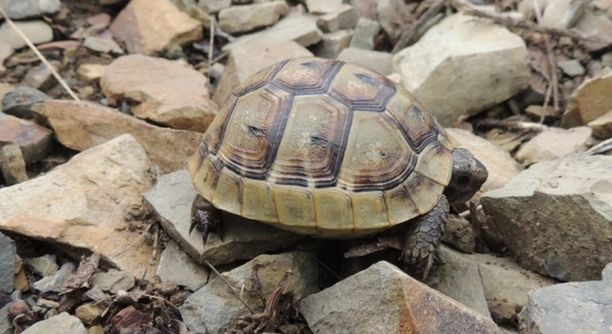
Greek tortoises are fascinating pets, often displaying behaviors that can leave owners wondering about their well-being. One such action is when they open their mouths frequently. Understanding the reasons behind this behavior is essential for proper care.
There are several reasons why a Greek tortoise may open its mouth, including respiratory issues, stress, overheating, or even the act of displaying dominance. It’s important to observe other behaviors and seek veterinary advice if necessary.
By understanding the causes of this behavior, you can better manage your tortoise’s health and comfort. This will help you ensure its well-being for years to come.
Respiratory Issues
One of the most common reasons a Greek tortoise might open its mouth is due to respiratory issues. These problems can arise from a variety of factors such as poor ventilation, high humidity, or even an infection. If your tortoise is consistently opening its mouth, it could be a sign of a respiratory infection or an obstruction in its airway. In some cases, the tortoise may also make wheezing or clicking sounds. It’s important to monitor for other symptoms, such as lethargy, nasal discharge, or abnormal behavior. These can all indicate a need for immediate veterinary attention.
Mild respiratory issues can sometimes be resolved with changes in habitat conditions, such as improving airflow and reducing humidity levels. However, more severe cases will require professional treatment, including medication or even antibiotics.
If you notice signs of respiratory distress, take action quickly. Left untreated, infections can become serious, potentially affecting your tortoise’s long-term health.
Stress and Anxiety
Stress is another possible reason why your Greek tortoise might open its mouth. Tortoises can experience stress from changes in their environment, such as a new tank, the presence of other animals, or loud noises. These stressors can lead to various behaviors, including mouth opening, which may be a form of communication or a way to cope with the discomfort.
Providing a stable, calm environment for your tortoise is essential. This means ensuring they have adequate space, proper lighting, and access to a variety of hiding spots. Stress can often be reduced by maintaining consistent tank conditions and avoiding sudden changes.
Addressing these stress factors is crucial for keeping your tortoise happy and healthy.
Overheating
Overheating is another common reason why your Greek tortoise might open its mouth. When the temperature in their environment gets too high, they may open their mouth to regulate body temperature. It’s their way of cooling down, similar to how other animals pant. If this behavior is frequent, it’s important to check the temperature in their habitat to ensure it’s within the recommended range.
To avoid overheating, make sure your tortoise’s enclosure has a temperature gradient. There should be a cooler area where your tortoise can retreat if it gets too hot. Keep the basking area warm but not excessively hot. Regularly check temperatures with a thermometer to make sure they’re stable.
This adjustment can make a big difference in your tortoise’s comfort. If the temperature is too high, it could lead to dehydration or other health issues. Monitoring the heat levels in the enclosure will help prevent overheating-related behavior.
Mating Behavior
Greek tortoises may open their mouths as part of mating behavior. Males often display this action when they’re trying to assert dominance or attract a female. It’s a natural part of their courtship ritual. During the breeding season, males may also exhibit other behaviors like chasing or vocalizing to grab the attention of a female. These behaviors can sometimes be confused with discomfort or illness.
If your tortoise is consistently opening its mouth during mating season, it’s most likely part of normal reproductive behavior. Ensure that your tortoises are housed in a suitable environment for mating, with plenty of space and proper temperature conditions to encourage natural behaviors.
While mouth opening can be alarming, understanding its connection to mating will ease concerns. As long as no other signs of distress are present, it’s typically harmless.
Dry Mouth
Sometimes, a Greek tortoise may open its mouth due to a dry mouth. This can happen if the environment is too dry, which makes it difficult for your tortoise to keep its mouth moist. Dry mouth can lead to discomfort, and opening the mouth is a sign of trying to relieve that.
To prevent this, ensure your tortoise’s enclosure has proper humidity levels. Providing a shallow water dish for drinking or soaking can also help. Keeping the humidity consistent will not only help with hydration but also improve your tortoise’s overall well-being.
Digestive Issues
Digestive problems can cause a Greek tortoise to open its mouth. If they’re experiencing discomfort from issues like constipation or impaction, they may open their mouth as a reaction to the stress. You may also notice them becoming less active or having difficulty passing food.
A well-balanced diet is crucial to avoid digestive issues. Offer a variety of leafy greens, and make sure your tortoise has access to fresh water. A healthy diet helps prevent impaction, which can cause pain and discomfort. If digestive issues persist, consult with a vet.
Illness
Illness can lead to mouth-opening in Greek tortoises. If your tortoise has a fungal or bacterial infection, it may open its mouth as part of its discomfort or to try and breathe easier. Illness is often accompanied by other signs like lethargy, weight loss, or unusual behavior.
If your tortoise is showing signs of illness, it’s important to seek veterinary help. Treating the root cause of the infection quickly can prevent it from worsening. Proper care and a clean living environment will reduce the risk of illness.
FAQ
Why does my Greek tortoise keep opening its mouth even if the environment seems fine?
Sometimes, Greek tortoises open their mouths despite a seemingly ideal environment. This could indicate an underlying issue, such as stress, a mild respiratory infection, or digestive discomfort. Even if the temperature and humidity are within the right range, environmental changes or changes in behavior can still trigger this reaction. Observing other signs like lethargy, nasal discharge, or changes in eating habits is key. If no other symptoms are present, this behavior may simply be a temporary response, but it’s always good to monitor and consult with a vet if needed.
How can I tell if my tortoise has a respiratory infection?
Signs of a respiratory infection in a Greek tortoise include nasal discharge, wheezing, or excessive mouth opening. Your tortoise may also become lethargic or lose its appetite. In more severe cases, you might hear clicking or bubbling sounds from the nose. If your tortoise is displaying these symptoms, it’s important to act quickly. A respiratory infection can worsen, so seeking veterinary care is essential. In the meantime, maintaining proper humidity and temperature in the habitat can help keep the tortoise more comfortable.
What should I do if my tortoise keeps opening its mouth from stress?
If your tortoise seems stressed, it’s important to identify and address the source of the stress. Stress could stem from sudden changes in its habitat, too much handling, the presence of other animals, or loud noises. Start by creating a calm and stable environment with appropriate temperatures, humidity levels, and plenty of hiding spots. Make sure that your tortoise has enough space and doesn’t feel threatened. If the stress persists, it may be worth consulting with a vet to rule out other issues.
Is it normal for my Greek tortoise to open its mouth during the mating season?
Yes, mouth-opening can be part of normal mating behavior in male Greek tortoises. During the breeding season, males may open their mouths as a display to attract females or assert dominance. This is often accompanied by other behaviors such as chasing or head bobbing. If this is happening during the mating season and your tortoise shows no signs of illness, it’s likely a natural behavior. It’s important to provide a suitable environment for mating to allow these behaviors to occur naturally.
Can overheating cause my tortoise to open its mouth?
Yes, overheating is a common reason why Greek tortoises open their mouths. When the temperature in the habitat is too high, your tortoise may open its mouth to help regulate its body temperature. It’s a way to cool down, much like how animals pant. If this behavior happens frequently, check the temperature of your tortoise’s enclosure. Ensure that the basking spot is warm enough but not too hot. Providing a cooler area where your tortoise can retreat will help keep it comfortable.
How can I prevent my Greek tortoise from opening its mouth due to dry conditions?
To prevent mouth opening caused by dry conditions, make sure your tortoise’s habitat has the right humidity levels. Dry air can lead to discomfort and dehydration, causing your tortoise to open its mouth. You can maintain proper humidity by misting the enclosure or using a humidifier if necessary. Additionally, make sure your tortoise has access to a shallow water dish to drink from or soak in. Keeping the environment moist enough will help your tortoise feel more comfortable and reduce the need to open its mouth.
How can I tell if my tortoise’s mouth opening is due to illness?
If your tortoise is opening its mouth and displaying other symptoms like lethargy, weight loss, or unusual behavior, it could be a sign of illness. Mouth opening in this case may be a response to infection or discomfort. Look out for other signs like a runny nose, watery eyes, or labored breathing. If these symptoms are present, it’s important to seek immediate veterinary care. The earlier an illness is detected, the easier it is to treat, and preventing further complications is crucial.
Is there a specific diet that can help prevent mouth-opening behaviors?
A healthy diet plays a significant role in preventing mouth-opening behaviors related to digestive discomfort or other health issues. Greek tortoises thrive on a diet of leafy greens, such as dandelion greens, collard greens, and kale. Adding flowers like hibiscus or clover can be a nice variety. It’s also important to offer a source of calcium to support shell health. Keeping the diet rich in fiber will help prevent digestive issues, which can sometimes lead to mouth opening. Avoid offering too much fruit or high-fat foods as they can upset your tortoise’s digestive system.
What should I do if my tortoise’s mouth opening is accompanied by bad breath?
Bad breath, when paired with mouth-opening, could indicate an infection or dental issue. Greek tortoises may develop mouth infections, especially if they’ve been exposed to poor living conditions. If your tortoise’s mouth opening is accompanied by foul-smelling breath, take them to the vet for an evaluation. Dental issues, respiratory infections, and gastrointestinal problems can all cause this symptom. It’s crucial to address this early, as untreated infections can lead to more serious health problems.
How do I know if my tortoise is opening its mouth to breathe or for another reason?
Observing your tortoise closely can help you determine if the mouth-opening is due to breathing issues or another cause. If the mouth opening is accompanied by labored breathing, nasal discharge, or wheezing, it’s likely a respiratory issue. If your tortoise is simply holding its mouth open for short periods without any additional signs of distress, it may just be adjusting to its environment. It’s always best to monitor your tortoise’s overall behavior and look for other signs of illness to pinpoint the cause of mouth-opening.
Final Thoughts
In summary, there are several reasons why your Greek tortoise might keep opening its mouth, and many of them are related to its health or environment. While some behaviors are perfectly normal, such as during the mating season, others may signal that your tortoise is dealing with stress, temperature issues, or even a respiratory infection. Understanding the signs and keeping a close watch on your tortoise’s overall health will help you identify whether the behavior is harmless or if intervention is needed.
Maintaining a proper environment is key to a healthy tortoise. Temperature, humidity, and even diet play important roles in keeping your Greek tortoise comfortable. A stable, clean, and well-balanced habitat can prevent many common issues that cause your tortoise to open its mouth. Regular cleaning and providing fresh water also ensure that your tortoise feels safe and healthy in its enclosure. Additionally, offering the right foods and making sure your tortoise is hydrated will go a long way in preventing unnecessary stress or illness.
However, if your tortoise continues to show signs of distress, mouth-opening, or other concerning behaviors, it’s important to consult a veterinarian. A health checkup can identify any infections, digestive issues, or other medical problems that might be affecting your tortoise. Early detection and treatment are crucial for ensuring your tortoise stays healthy and happy. By observing your tortoise carefully and addressing any issues promptly, you can provide the best care and environment for your pet.

Hello,
If you enjoy the content that we create, please consider saying a "Thank You!" by leaving a tip.
Every little bit helps us continue crafting quality advice that supports the health, happiness, and well-being of pets around the world, for pets of all shapes, sizes, and species.
We really appreciate the kindness and support that you show us!