
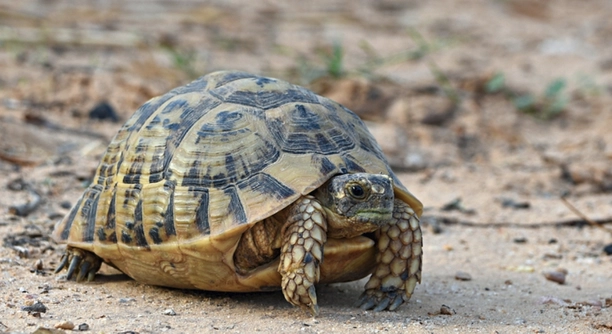
Greek tortoises are known for their herbivorous diet, and it’s important to know what foods are safe for them. Many owners wonder if cabbage is a suitable option for their shelled friends. Let’s explore the facts.
Greek tortoises can eat cabbage in moderation, but it should not be a regular part of their diet. Too much cabbage can lead to digestive problems or even thyroid issues due to its high levels of goitrogens.
Understanding the risks and benefits of feeding cabbage to your Greek tortoise will help ensure their health. Keep reading to find out how you can keep your pet happy and healthy with the right foods.
Can Greek Tortoises Eat Cabbage Regularly?
While cabbage is not harmful in small amounts, feeding it too frequently can create issues for your Greek tortoise. Cabbage contains high levels of oxalates and goitrogens, which can interfere with proper thyroid function. These substances can cause health problems if consumed regularly. Your tortoise may suffer from slowed growth, digestive disturbances, or other complications. It’s best to offer cabbage as a rare treat rather than a staple of their diet.
Although cabbage can be a fun occasional addition to their meals, balance is key. The digestive system of Greek tortoises works best with a variety of leafy greens, weeds, and grasses. If cabbage is part of their diet, ensure that it is just one option in the mix.
An essential part of feeding your tortoise properly is offering different types of vegetables and plants. Dandelion greens, clover, and collard greens are far better alternatives that contribute to a balanced, nutritious diet. These greens are not only safer but also provide essential vitamins and minerals that promote overall health. Greek tortoises thrive on a diet rich in fiber and low in sugar. Providing variety will help you avoid feeding your tortoise too much of any one food, keeping their system working properly and reducing the risk of health issues.
Health Risks of Feeding Cabbage to Greek Tortoises
Offering cabbage regularly can lead to thyroid problems and hinder nutrient absorption. It is crucial to be cautious with how often it is included in their meals.
In some cases, feeding too much cabbage can contribute to more serious issues like kidney damage or bone health problems. The high calcium-to-phosphorus ratio and high levels of goitrogens can prevent the proper uptake of iodine, which plays a key role in thyroid hormone regulation. It’s essential to limit cabbage and focus on a wider variety of greens for the long-term health of your pet. Additionally, cabbage can be quite high in fiber, which is beneficial but may be overwhelming if consumed in large quantities, leading to digestive discomfort.
Safe Alternatives to Cabbage for Greek Tortoises
Instead of cabbage, you can offer other leafy greens such as dandelion leaves, collard greens, or mustard greens. These provide more balanced nutrition without the risks associated with cabbage. Their higher calcium content and lower levels of goitrogens help support your tortoise’s overall health.
Dandelion greens are rich in calcium, which is important for bone growth and shell health. They are also low in oxalates, which can interfere with calcium absorption. These greens are easy to find and safe for your tortoise. Make sure to wash them thoroughly to remove pesticides and other chemicals before serving. Collard greens and mustard greens are also excellent options because they offer a good mix of vitamins A, C, and K. They promote healthy digestion and help keep your tortoise’s immune system strong.
Another great option is hibiscus leaves, which are not only nutritious but also safe for tortoises. These leaves are rich in fiber and vitamins, making them an excellent alternative. As with all greens, variety is essential for a balanced diet, so mix and match different types to keep your tortoise’s meals interesting.
Understanding Thyroid Issues in Greek Tortoises
Overfeeding cabbage can affect the thyroid function of Greek tortoises, especially when it is consumed frequently. Goitrogens, found in cabbage, interfere with iodine absorption, which is essential for thyroid hormone production. A poorly functioning thyroid can lead to a number of health problems.
Thyroid dysfunction in tortoises can cause stunted growth, lethargy, and poor shell development. The thyroid plays an important role in regulating metabolism, so when it’s compromised, your tortoise may not be able to digest food properly. This can also result in digestive issues, like constipation or bloating, making it harder for your pet to maintain a healthy weight. Additionally, thyroid problems can cause imbalances in calcium and phosphorus, which are crucial for bone and shell development. Regularly feeding cabbage or other goitrogen-rich foods can exacerbate these issues and may lead to long-term health complications.
The Role of Fiber in a Greek Tortoise’s Diet
Fiber is an important component in your tortoise’s diet. It aids in digestion and helps maintain a healthy gut. Without enough fiber, your tortoise can suffer from constipation and other digestive issues, making it harder for them to absorb nutrients properly.
Fiber-rich foods like grasses, hay, and leafy greens help keep things moving through your tortoise’s digestive system. These foods provide roughage that encourages healthy bowel movements. However, feeding too much cabbage can disrupt the balance, as it contains a higher amount of fiber than some other greens. It’s crucial to offer a variety of fiber sources.
Managing Calcium and Phosphorus Levels
Maintaining a proper calcium-to-phosphorus ratio is essential for your tortoise’s health. While cabbage contains calcium, it also has a high phosphorus content, which can interfere with calcium absorption. This imbalance can lead to bone issues and weakened shells.
Too much phosphorus and not enough calcium can result in metabolic bone disease, a condition that affects the bones and shell of your tortoise. This is why it’s important to choose calcium-rich foods that have a more balanced ratio of calcium and phosphorus, such as dandelion greens.
FAQ
Can Greek tortoises eat cabbage every day?
No, Greek tortoises should not eat cabbage every day. While cabbage can be a tasty treat, it contains goitrogens that can interfere with thyroid function if fed regularly. These compounds can disrupt iodine absorption, leading to potential thyroid problems. It’s best to offer cabbage sparingly, maybe once a week, and focus on other, safer vegetables like dandelion greens or collard greens for daily feeding.
What vegetables are safe for Greek tortoises?
Greek tortoises can enjoy a variety of vegetables. Safe options include leafy greens like dandelion leaves, collard greens, mustard greens, and kale. They also enjoy safe herbs like basil, oregano, and parsley. Other safe vegetables include squash, pumpkin, and bell peppers. Always ensure that the vegetables are fresh and pesticide-free, and avoid feeding them too much of any one type of vegetable. Variety is key for their health.
Can cabbage cause shell problems in Greek tortoises?
Cabbage itself doesn’t directly cause shell problems, but the long-term consumption of too much cabbage can lead to calcium and phosphorus imbalances. This can affect the development of the shell, as well as other bones in the tortoise’s body. Calcium is essential for proper shell growth, and if cabbage is fed too often, it can disrupt calcium absorption, making the shell more susceptible to softening and deformities.
Are there any health risks to feeding cabbage to Greek tortoises?
Yes, there are health risks associated with feeding cabbage too often. The primary concern is its high levels of goitrogens, which can interfere with thyroid function. This can lead to hypothyroidism, a condition where the thyroid doesn’t produce enough hormones. This can slow down metabolism and cause growth issues, lethargy, and poor shell development. Additionally, cabbage has high levels of fiber, which can be tough on their digestive system when consumed in excess.
How much cabbage can I feed my Greek tortoise?
Cabbage should be fed in moderation. A small piece once or twice a week is sufficient. Too much cabbage can lead to thyroid and digestive issues due to its high goitrogen and fiber content. If you’re offering cabbage, it’s important to balance it with other types of greens and vegetables that are low in goitrogens and provide more nutritional value.
What are the signs of thyroid issues in Greek tortoises?
Signs of thyroid problems in Greek tortoises include slow growth, lethargy, poor shell development, and a lack of appetite. You may also notice your tortoise becoming more sedentary and showing signs of weakness. If you suspect thyroid issues, it’s essential to consult with a vet for proper diagnosis and treatment.
Can I feed Greek tortoises cabbage stems?
While the cabbage leaves may be safer in smaller amounts, cabbage stems should generally be avoided. They are tough, fibrous, and can be difficult for your tortoise to digest. Additionally, they don’t offer much nutritional value compared to other, more suitable greens. Stick to softer leafy vegetables that are easier on their digestive system.
How do I know if my tortoise’s diet is balanced?
A balanced diet for a Greek tortoise includes a variety of leafy greens, safe flowers, and grasses. You should aim to provide high-fiber, low-oxalate options that are rich in calcium but low in phosphorus. If your tortoise’s shell is healthy and hard, and it is active and eating well, you’re likely on the right track. Keep an eye on their behavior, and consult with a vet if you notice signs of nutrient imbalance, like softening of the shell or a loss of appetite.
What can I give my Greek tortoise as a treat?
Greek tortoises can enjoy occasional treats like strawberries, blueberries, and other non-citrus fruits. These treats should be given sparingly due to their high sugar content. It’s also fine to offer flowers such as hibiscus or dandelion flowers, which are both safe and enjoyable. Always keep in mind that treats should never make up more than 10-15% of their overall diet.
Can Greek tortoises eat cooked vegetables?
It’s best to feed Greek tortoises raw vegetables. Cooking can break down the nutrients and remove essential vitamins, which is why raw, fresh vegetables are always the better option. Some tortoises may be willing to eat cooked vegetables, but it’s important to avoid seasoning them, as some ingredients, like salt, can be harmful to their health.
Feeding your Greek tortoise a healthy, balanced diet is essential to their well-being. While cabbage is not inherently harmful in small amounts, it should only be given as an occasional treat. Regularly feeding cabbage can lead to digestive and thyroid problems due to its goitrogen content. The thyroid issues caused by excess cabbage can slow down metabolism, affect growth, and even lead to shell deformities if left unchecked. To avoid these risks, it’s better to focus on offering a variety of safer vegetables that provide balanced nutrients without the drawbacks of cabbage.
There are many safe and healthy alternatives to cabbage that you can offer your Greek tortoise. Leafy greens like dandelion leaves, collard greens, and mustard greens are excellent choices, as they are rich in calcium and low in goitrogens. These greens promote better digestion and support bone and shell health. Additionally, herbs such as parsley, basil, and oregano can provide nutritional variety and keep mealtime interesting for your tortoise. Introducing a range of vegetables, flowers, and grasses ensures your pet gets a well-rounded diet, contributing to long-term health and vitality.
Ultimately, understanding what’s best for your tortoise involves providing them with a variety of safe foods that meet their specific dietary needs. While cabbage can be part of the diet, it should be limited to avoid health issues. Keeping an eye on your tortoise’s behavior and appearance, such as the condition of their shell and activity levels, will help you identify any diet-related problems early. By offering a diverse range of appropriate foods and practicing moderation with treats like cabbage, you’ll help your Greek tortoise thrive for years to come.

Hello,
If you enjoy the content that we create, please consider saying a "Thank You!" by leaving a tip.
Every little bit helps us continue crafting quality advice that supports the health, happiness, and well-being of pets around the world, for pets of all shapes, sizes, and species.
We really appreciate the kindness and support that you show us!