
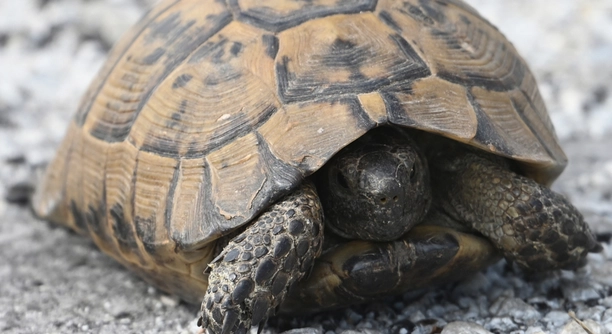
Greek tortoises are popular pets, known for their calm nature and slow-moving demeanor. Their diet plays a crucial role in maintaining their health and happiness, but understanding what they can and cannot eat is important for their care.
Greek tortoises can safely eat dandelions, as they are a natural food source in their wild habitat. Dandelions are rich in nutrients and can be a beneficial addition to their diet when offered in moderation.
While dandelions are a great treat for your tortoise, knowing the proper balance in their diet is essential for their well-being. Keep reading to learn about the benefits and potential risks involved.
Benefits of Dandelions for Greek Tortoises
Dandelions are packed with vitamins, minerals, and antioxidants, making them a healthy addition to a Greek tortoise’s diet. These flowers and leaves provide essential nutrients like calcium, fiber, and vitamin A, which help support the tortoise’s bones, digestive system, and overall well-being. Additionally, dandelions are low in oxalates, making them safer compared to other high-oxalate plants. Offering dandelions to your tortoise encourages natural foraging behavior, helping keep them active and engaged.
The high calcium content in dandelions helps in the development and maintenance of a tortoise’s shell. Regular consumption supports healthy bone growth and can prevent calcium deficiencies, which are common in reptiles.
Feeding dandelions also introduces variety to your pet’s diet. While greens like romaine lettuce and clover are often staples, adding dandelions offers a refreshing change, providing both nutrients and mental stimulation. Just be sure to source them from pesticide-free areas to avoid any harmful chemicals affecting your pet’s health.
Risks of Feeding Dandelions to Greek Tortoises
Although dandelions are beneficial, moderation is key. Too many dandelions may lead to digestive upset. The high fiber content, while good for digestion, can overwhelm your tortoise’s system if overfed.
Overfeeding dandelions may also cause an imbalance in the overall nutrient intake. Offering them as a treat or supplement to a more varied diet ensures they get the benefits without risking any negative effects on their health. Always make sure you provide other types of greens and vegetables alongside dandelions for the best nutrition.
How to Safely Feed Dandelions to Greek Tortoises
When feeding dandelions to your Greek tortoise, it’s important to ensure they are clean and pesticide-free. Pick them from areas that are not sprayed with chemicals, as pesticides can harm your pet. Washing them thoroughly before offering them is a good practice.
Dandelions can be served both fresh and dried, but fresh leaves and flowers are generally preferred. Offer a small portion at a time to avoid overwhelming your tortoise’s digestive system. It’s best to provide dandelions alongside other safe greens to create a balanced diet. Keeping their meals varied ensures they get the nutrients they need without overloading on any one type of food.
If you’re harvesting dandelions from your yard or garden, be cautious about where they are picked. Avoid areas that might have been treated with fertilizers or chemicals, as these could be harmful to your tortoise. To ensure their safety, only collect dandelions from trusted sources.
Alternative Foods to Add Variety to Their Diet
Aside from dandelions, Greek tortoises enjoy a wide variety of other plants that can add nutrients and excitement to their meals. Some great alternatives include clover, hibiscus flowers, and mulberry leaves. These can be offered in moderation, just like dandelions, to give your tortoise some variety.
It’s essential to keep in mind that Greek tortoises are herbivores, so their diet should consist mainly of plant-based foods. Offering them a mix of leafy greens like kale, collard greens, and dandelions will keep them healthy and engaged. Additionally, grasses and weeds such as plantain and timothy hay are also good options.
Providing a variety of foods not only ensures balanced nutrition but also helps mimic the natural foraging behavior they would engage in while roaming. This encourages your tortoise to stay active and mentally stimulated, contributing to their overall well-being. Always make sure you wash any plants thoroughly to remove dirt or potential pesticides.
How Often Should You Feed Dandelions to Your Greek Tortoise?
Dandelions should be given as an occasional treat, not a daily staple. Offering them 2-3 times a week is usually a good rule of thumb. This allows you to maintain a varied diet while ensuring your tortoise gets the benefits of dandelions without overdoing it.
It’s important not to rely too heavily on any one food. A balanced diet with various greens and other vegetables will support your tortoise’s health better than offering the same treat too often. Moderation is key when it comes to dandelions and other high-nutrient plants.
Potential Side Effects of Overfeeding Dandelions
Feeding your tortoise too many dandelions can cause digestive problems. The high fiber content, while beneficial in moderation, can lead to diarrhea or bloating if your tortoise eats too much. It’s important to watch for signs of discomfort after meals.
Another potential side effect of overfeeding dandelions is an imbalance in nutrients. Dandelions are high in calcium, which is good for bone health but can lead to kidney issues if consumed excessively. To avoid this, make sure the rest of your tortoise’s diet is well-rounded and doesn’t contain excessive amounts of any one nutrient.
Why Dandelions Are a Great Addition
Dandelions are an excellent addition to your tortoise’s diet because they are natural and nutrient-dense. They offer a wide variety of vitamins and minerals that help maintain bone health and overall well-being. Just ensure you are offering them in the correct proportions to avoid any complications.
FAQ
Can Greek tortoises eat dandelion roots?
Yes, Greek tortoises can eat dandelion roots, but they should be given in moderation. The roots contain nutrients like fiber and minerals, which can be beneficial for their digestion. However, they are also tougher and less palatable, so it’s better to focus on the leaves and flowers as the main source of nutrition. If you do offer the roots, make sure they are clean and pesticide-free, and avoid offering too many to prevent any digestive upset.
Are all parts of the dandelion safe for Greek tortoises?
Most parts of the dandelion are safe for Greek tortoises, including the leaves, flowers, and stems. These parts are rich in vitamins and minerals that support overall health. However, the dandelion’s milky sap should be avoided as it can cause digestive issues if consumed in large amounts. Stick to the leaves, flowers, and occasionally the roots for the best results.
How do I know if dandelions are safe to feed my tortoise?
To ensure that dandelions are safe for your Greek tortoise, make sure you are picking them from an area free of pesticides, fertilizers, or pollutants. If you’re unsure about the source, it’s better to buy organic dandelions from a trusted seller. Always wash them thoroughly before offering them to your tortoise. If you’re picking dandelions from your yard, be sure to avoid any that have been near roadsides or areas with heavy chemical use.
Can dandelions replace other greens in a Greek tortoise’s diet?
Dandelions should not replace other greens entirely. While they are nutritious, Greek tortoises need a variety of greens to ensure they get all the necessary nutrients. Dandelions can be a healthy addition but should be offered alongside other leafy greens like collard greens, kale, and mustard greens. Offering a mix of foods keeps their diet balanced and supports their overall health.
Can dandelions cause kidney problems in Greek tortoises?
Dandelions are high in calcium, which is great for bone health. However, if your tortoise eats too many dandelions over a long period, it could lead to kidney issues due to the excess calcium intake. It’s important to feed dandelions in moderation and ensure they are part of a varied diet that includes other sources of calcium and nutrients. A balanced diet is key to preventing health issues in your tortoise.
Are dandelions safe for baby Greek tortoises?
Yes, baby Greek tortoises can eat dandelions, but they should be offered in smaller portions than adult tortoises. Their digestive systems are still developing, so it’s important to monitor the amount of dandelions they consume. Be sure to provide them with a variety of safe foods to ensure they get proper nutrition for growth and development. As with adults, avoid overfeeding dandelions and other high-calcium foods.
Can dandelions help with shell growth in Greek tortoises?
Dandelions can play a role in supporting healthy shell growth due to their high calcium content. Calcium is crucial for the development and maintenance of a strong, healthy shell. However, dandelions alone are not enough to ensure optimal shell growth. A well-rounded diet with a variety of greens, along with proper UVB light and a balanced calcium supplement, will help promote healthy shell development.
Can Greek tortoises eat dandelions every day?
Feeding dandelions every day is not recommended. While they are healthy, offering dandelions too often can lead to an imbalance in your tortoise’s diet. It’s best to give them dandelions 2-3 times a week, alongside other greens and vegetables. This ensures they get the benefits without risking digestive issues or nutrient imbalances.
Are wild dandelions safe for Greek tortoises?
Wild dandelions are safe for Greek tortoises as long as they are free from pesticides, herbicides, or other chemicals. In their natural habitat, tortoises commonly eat wild dandelions, so they are a suitable food source. Just make sure to wash them thoroughly and avoid picking them from areas with potential chemical contamination, like roadsides or industrial zones.
How can I tell if my tortoise likes dandelions?
To see if your tortoise likes dandelions, simply offer them and observe how they react. Most tortoises will nibble on them enthusiastically, as dandelions are flavorful and nutritious. If your tortoise shows little interest, it may prefer other greens, or it might not be in the mood for that particular food. It’s okay to try offering different greens if your tortoise doesn’t seem interested in dandelions.
Can dandelions cause bloating in Greek tortoises?
Dandelions contain fiber, which is great for digestion. However, if your tortoise eats too many dandelions at once, it could lead to bloating or mild digestive upset. It’s important to introduce new foods gradually and to watch for any signs of discomfort. If bloating occurs, reduce the amount of dandelions and offer more varied greens.
Should I dry dandelions before feeding them to my tortoise?
Dried dandelions are an option, but fresh dandelions are usually the better choice. Drying them reduces their water content, and while still nutritious, the dried leaves may be less appealing to your tortoise. If you choose to dry them, ensure they are stored properly and rehydrated before feeding. Fresh dandelions provide more hydration and a more natural taste.
Final Thoughts
Feeding dandelions to your Greek tortoise can be a healthy and enjoyable treat for them. They provide essential nutrients like calcium, fiber, and vitamin A, all of which support their bone health, digestion, and overall well-being. Dandelions mimic the kind of plants they would naturally eat in the wild, so they are a great way to give your pet a more natural diet. Offering dandelions in moderation, as part of a varied diet, can help keep your tortoise happy and healthy without risking overfeeding any one nutrient.
However, like any food, dandelions should be given in moderation. Overfeeding dandelions can lead to digestive upset, kidney issues, or an imbalance in calcium intake. Too many dandelions can also cause your tortoise to eat fewer of the other important foods they need, like other greens or vegetables. It’s essential to offer a variety of plant-based foods to ensure your tortoise gets all the nutrients they need for optimal health. Keeping their diet varied also promotes natural foraging behavior, which is good for their mental and physical health.
Lastly, always make sure that the dandelions you feed are pesticide-free and clean. Dandelions that are picked from areas treated with chemicals can harm your tortoise. If you’re unsure about the source, buying organic dandelions or growing them yourself is a good option. By following these simple guidelines, you can safely incorporate dandelions into your tortoise’s diet and provide them with a nutritious, enjoyable treat that supports their health and natural habits.

Hello,
If you enjoy the content that we create, please consider saying a "Thank You!" by leaving a tip.
Every little bit helps us continue crafting quality advice that supports the health, happiness, and well-being of pets around the world, for pets of all shapes, sizes, and species.
We really appreciate the kindness and support that you show us!