
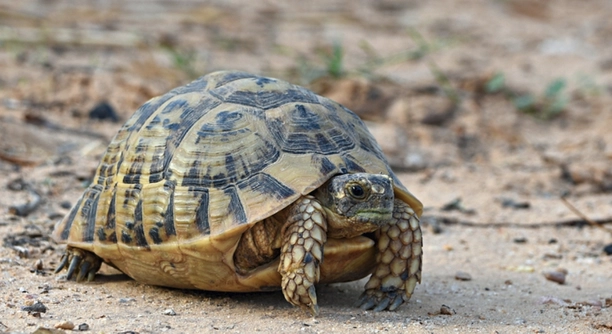
Do you ever find yourself wondering if you’re feeding your Greek tortoise correctly? Proper nutrition is essential for their health, but small mistakes can lead to serious issues over time. Understanding common errors can help ensure your tortoise thrives.
The most common feeding mistakes with Greek tortoises include offering improper foods, overfeeding, and neglecting calcium needs. These errors can lead to metabolic bone disease, obesity, and digestive problems. Providing a balanced diet with proper portions helps prevent these issues.
Feeding your tortoise the right way doesn’t have to be complicated. By recognizing these common mistakes, you can make simple adjustments that promote a healthier and longer life for your pet.
Feeding Too Many Fruits
Greek tortoises love the taste of fruit, but too much can cause health issues. Their diet should mainly consist of leafy greens and fibrous plants. Fruits are high in sugar, which can disrupt their digestive system and lead to diarrhea or bloating. Excess sugar also promotes the growth of harmful bacteria in their gut. While an occasional piece of fruit is fine, it should never be a staple in their diet. Stick to small portions of low-sugar fruits like strawberries or apples. Avoid feeding citrus, bananas, or grapes too often, as they can be too sugary.
Fruits should make up no more than 10% of your tortoise’s diet. The rest should come from fibrous greens, flowers, and weeds. This balance helps maintain proper digestion and prevents obesity or nutritional imbalances.
If your tortoise has been eating too much fruit, gradually reduce the amount and increase fibrous foods. Providing a variety of healthy greens ensures they receive the nutrients they need without the risks associated with excess sugar. Adding calcium-rich foods like dandelion greens or calcium powder can further support their health. Keeping their diet natural and well-balanced is the key to avoiding digestive problems and promoting a long, healthy life.
Overfeeding Protein
Greek tortoises are herbivores, meaning their bodies are not designed to process large amounts of protein. Feeding them excessive protein, such as dog food or too many legumes, can cause serious health issues. It leads to kidney damage, shell deformities, and rapid, unhealthy growth.
A proper diet for Greek tortoises should consist mostly of leafy greens, flowers, and fibrous plants. High-protein foods disrupt their natural metabolism, causing their shells to grow too fast and become bumpy or pyramided. This condition, called pyramiding, is irreversible and affects their overall well-being. Additionally, too much protein puts stress on their kidneys, leading to long-term damage. The best way to prevent this is by eliminating foods like animal protein, cat or dog food, and high-protein pellets. Instead, focus on feeding a mix of safe greens such as collard greens, endive, and hibiscus leaves.
If your tortoise has been consuming too much protein, making adjustments to their diet is essential. Start by removing high-protein foods and replacing them with high-fiber, calcium-rich plants. Providing adequate UVB lighting is also crucial, as it helps them process calcium properly. By maintaining a plant-based, low-protein diet, you can help your tortoise grow at a healthy rate and avoid unnecessary health complications.
Not Providing Enough Calcium
Calcium is essential for strong bones and a healthy shell. Without enough calcium, Greek tortoises can develop metabolic bone disease, which weakens their shell and causes deformities. A proper diet and UVB lighting help them absorb and use calcium effectively.
Dark leafy greens like dandelion and turnip greens are excellent sources of calcium. You can also sprinkle calcium powder on their food a few times a week to ensure they get enough. Avoid spinach and beet greens, as they contain oxalates that block calcium absorption. Without proper calcium intake, their shell may become soft, leading to serious health problems. Pairing calcium with sufficient UVB exposure allows their body to process it properly. Without UVB, even a calcium-rich diet won’t be effective, and their bones may weaken over time.
If your tortoise isn’t getting enough calcium, adjust their diet immediately. Offer a variety of calcium-rich greens, cuttlebone, or calcium powder to supplement their intake. Make sure they have access to UVB lighting for at least 10–12 hours daily, as it helps convert calcium into a usable form. Regular shell checks can help you spot early signs of deficiency, such as softness or irregular growth. Keeping their calcium intake balanced ensures a strong, healthy shell.
Feeding Too Many Store-Bought Vegetables
Store-bought vegetables are often low in fiber and high in water content, which can disrupt digestion. Greek tortoises need a diet rich in fibrous plants to maintain a healthy gut. Too many soft vegetables can lead to loose stools and poor nutrient absorption.
While store-bought greens like lettuce and cucumber may seem like a convenient choice, they lack the essential nutrients tortoises need. Iceberg lettuce, in particular, provides almost no nutritional value and can cause diarrhea. Instead, offer a mix of fibrous plants like dandelion greens, clover, and hibiscus leaves. These provide the fiber and nutrients needed for healthy digestion. If you rely on store-bought vegetables, choose dark leafy greens like collard greens or mustard greens. These are more nutritious and support better digestion. Adding edible weeds and flowers can further improve their diet.
If your tortoise’s diet consists mostly of store-bought vegetables, start incorporating more natural, high-fiber foods. Growing your own safe plants, such as dandelions or mulberry leaves, can provide a fresh and nutritious alternative. If you must use store-bought options, stick to nutrient-dense choices and avoid watery vegetables. A well-balanced diet with plenty of fiber ensures your tortoise stays healthy and active.
Not Providing Enough Variety
A limited diet can lead to nutrient deficiencies and digestive issues. Greek tortoises need a diverse range of greens, flowers, and weeds to stay healthy. Feeding the same foods repeatedly can cause imbalances and prevent them from getting essential vitamins and minerals.
Rotating different safe plants ensures proper nutrition. Mix dandelion greens, hibiscus leaves, clover, and mulberry leaves with occasional vegetables like squash or bell peppers. Avoid relying solely on store-bought greens, as they may lack variety. A well-balanced diet supports digestion, shell strength, and overall health.
Offering Processed Foods
Processed foods, such as bread, pasta, and commercial pet treats, are harmful to Greek tortoises. Their digestive system is designed for fibrous plants, not artificial ingredients. Processed foods can cause digestive issues, obesity, and long-term health problems. Stick to fresh, natural foods to keep your tortoise healthy and thriving.
Ignoring Hydration
Fresh water should always be available. Even though Greek tortoises get moisture from their food, they still need access to clean drinking water. A shallow dish allows them to drink and soak, which helps with hydration and digestion. Dehydration can cause kidney issues, so regular access to water is essential.
FAQ
How often should I feed my Greek tortoise?
Adult Greek tortoises should be fed once a day, while younger tortoises may need food twice a day. Overfeeding can lead to obesity and shell deformities. Offer a portion size that is roughly equal to the size of their shell. Remove uneaten food after a few hours to prevent spoilage.
What are the best greens to feed my Greek tortoise?
The best greens include dandelion greens, turnip greens, collard greens, and mustard greens. These are rich in fiber and essential nutrients. You can also add edible weeds and flowers like hibiscus, mulberry leaves, and clover. Avoid spinach and beet greens, as they block calcium absorption.
Can Greek tortoises eat fruits?
Greek tortoises can eat fruit, but only in small amounts. Fruits are high in sugar and can cause digestive issues if given too often. Offer low-sugar options like strawberries or apples occasionally. Avoid feeding citrus, bananas, and grapes regularly, as they can lead to an imbalance in their diet.
Do Greek tortoises need supplements?
Calcium and vitamin D3 supplements are important, especially if your tortoise doesn’t get enough natural sunlight. Sprinkle calcium powder on their food a few times a week. Without enough calcium, they can develop metabolic bone disease, which weakens their shell and bones over time.
How do I prevent my tortoise from becoming dehydrated?
Always provide fresh, clean water in a shallow dish. Soaking your tortoise in lukewarm water for about 15–20 minutes a few times a week also helps keep them hydrated. Dehydration can cause kidney problems, so ensure they have access to water at all times.
Is iceberg lettuce safe for Greek tortoises?
Iceberg lettuce should be avoided. It contains very little nutrition and too much water, which can lead to diarrhea. Instead, offer dark leafy greens like endive, escarole, and kale. These provide more nutrients and support better digestion.
What happens if my tortoise eats too much protein?
Too much protein can lead to kidney damage and shell deformities, such as pyramiding. Avoid feeding animal protein, cat or dog food, or too many legumes. Stick to a diet of fibrous plants, leafy greens, and flowers to keep their shell and organs healthy.
How do I know if my tortoise is overweight?
An overweight tortoise will have excessive fat bulging around its legs, neck, and armpits. If their limbs cannot fully retract into their shell, they may be carrying too much weight. Reduce high-calorie foods and increase fibrous plants to help them maintain a healthy weight.
Can Greek tortoises eat store-bought vegetables?
Store-bought vegetables can be fed in moderation, but they should not be the main part of their diet. Many store-bought greens lack fiber and may contain pesticides. Choose organic greens when possible and prioritize fibrous plants like dandelion, clover, and hibiscus leaves.
How much UVB light does my tortoise need?
Greek tortoises need at least 10–12 hours of UVB light daily. This helps them metabolize calcium and prevents shell deformities. If they don’t get natural sunlight, use a high-quality UVB bulb designed for reptiles. Replace the bulb every 6–12 months for effectiveness.
What foods should I never feed my Greek tortoise?
Never feed processed foods, bread, pasta, or sugary snacks. Avoid toxic plants like rhubarb, avocado, and azaleas. Spinach and beet greens should also be limited, as they interfere with calcium absorption. Stick to safe, natural foods for their overall health.
Why is my tortoise refusing to eat?
Loss of appetite can be caused by stress, improper temperatures, dehydration, or illness. Ensure their enclosure is at the correct temperature, provide fresh water, and offer a variety of safe foods. If they refuse to eat for several days, consult a reptile veterinarian.
How do I make sure my tortoise is getting enough fiber?
A diet rich in fibrous plants like dandelion greens, clover, and hibiscus leaves will provide enough fiber. Avoid feeding too many soft vegetables like lettuce or cucumber, as these lack fiber. Fiber is essential for proper digestion and prevents issues like diarrhea or constipation.
Can Greek tortoises eat flowers?
Yes, many flowers are safe and beneficial for Greek tortoises. Hibiscus, rose petals, dandelions, and nasturtiums are great choices. Avoid flowers that have been treated with pesticides or fertilizers, as these can be harmful. Flowers add variety and extra nutrients to their diet.
How do I stop my tortoise from eating harmful plants?
If your tortoise has outdoor access, remove any toxic plants from the area. Supervise their outdoor time and provide plenty of safe, edible plants to discourage them from eating harmful ones. A secure, enclosed area with controlled vegetation is the best way to keep them safe.
Final Thoughts
Feeding a Greek tortoise the right way is essential for their long-term health. Avoiding common mistakes like overfeeding fruit, providing too much protein, or neglecting calcium can prevent serious health problems. A balanced diet rich in leafy greens, edible flowers, and fibrous plants will support their digestion, shell strength, and overall well-being. It’s also important to provide access to fresh water and ensure they get enough UVB exposure to properly absorb calcium. Small adjustments to their diet and environment can make a big difference in keeping them healthy.
Understanding what foods to offer and what to avoid helps create a proper feeding routine. Store-bought vegetables can be part of their diet, but natural, high-fiber foods should always be the main focus. Processed foods, sugary fruits, and high-protein items should never be included. Offering a variety of safe plants ensures they get all the necessary nutrients without causing imbalances. Regularly monitoring their weight, shell condition, and eating habits can help detect any potential issues early. A well-balanced diet not only prevents health problems but also allows your tortoise to grow and thrive naturally.
Caring for a Greek tortoise requires attention to their dietary needs, but it doesn’t have to be complicated. Sticking to fresh, fibrous plants and limiting unhealthy foods makes feeding simple and effective. Providing the right balance of nutrients, hydration, and UVB light helps prevent common health issues and supports a long, active life. With proper care, your Greek tortoise can stay strong and healthy for many years to come.

Hello,
If you enjoy the content that we create, please consider saying a "Thank You!" by leaving a tip.
Every little bit helps us continue crafting quality advice that supports the health, happiness, and well-being of pets around the world, for pets of all shapes, sizes, and species.
We really appreciate the kindness and support that you show us!