
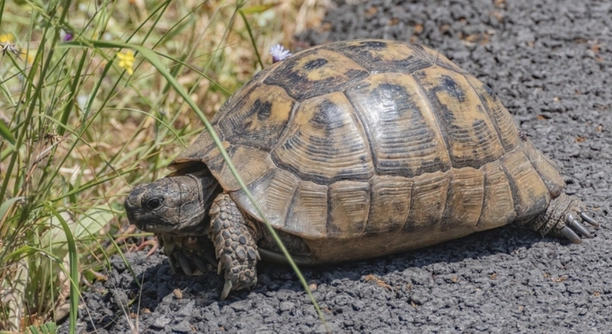
Greek tortoises are naturally curious creatures, and they often explore their surroundings. While they are generally sturdy, accidents can happen, such as falls. Knowing how to respond can make a difference in their recovery.
Greek tortoises can survive a fall, but the outcome depends on the height and surface of the landing. Injuries such as fractures or shell damage may occur, requiring immediate attention. Prompt care is crucial to ensure recovery and avoid further harm.
Knowing what to do if a fall happens can help minimize the risk of serious injury. Taking immediate action ensures the best outcome for your tortoise’s health.
Understanding the Risk of a Fall
Falls are a common accident, but the impact can be serious for a Greek tortoise. Due to their heavy, dome-shaped shells, they are at risk of injury, especially when falling from a height. The first thing to consider is the surface they land on. Hard surfaces such as tile or concrete are more likely to cause damage compared to softer ground like grass.
Even if your tortoise seems unharmed after a fall, it is important to monitor them closely for signs of distress. Injuries like cracked shells or internal damage can be difficult to detect without professional help. In some cases, the tortoise may hide signs of injury to avoid predators, making it hard to gauge the extent of the damage.
While most tortoises are resilient, their slow-moving nature can make them vulnerable. A small fall can cause serious injury if not handled correctly. If your tortoise falls, it’s essential to assess the situation immediately and take action to prevent further harm.
What to Do After a Fall
First, ensure that the tortoise is safe and free from immediate danger. If the fall happened outdoors, move them to a secure, quiet area where they can calm down. Then, inspect them for visible injuries, especially to their shell or limbs.
If your tortoise seems to be limping, acting lethargic, or has visible cracks or swelling on its shell, it’s time to consult a vet. The vet can assess the injury and provide a treatment plan. Keeping the tortoise in a comfortable, stress-free environment while you seek help will improve its chances of recovery.
The most important thing is to act quickly. A small injury, if left unchecked, could become much worse. In some cases, a tortoise may need pain relief or even surgery, so don’t delay in seeking professional help. Immediate care can make all the difference in your tortoise’s recovery.
Preventing Falls in the Future
To minimize the chances of a fall, it’s important to secure your tortoise’s environment. Avoid placing them in areas with high surfaces, such as tables or counters, where they could easily fall. Create a low and secure habitat to keep them safe.
Adding barriers or walls around their enclosure can keep your tortoise from climbing onto elevated areas. If you’re using a playpen, make sure the walls are high enough to prevent escapes. It’s also wise to keep their environment clear of obstacles that could lead to slips or unbalanced movements. By providing a controlled environment, you’ll lower the risk of future falls.
Keeping your tortoise on the ground level, with plenty of space to move around safely, will reduce the likelihood of injury. Ensuring that their enclosure is free from hazards can also improve their overall well-being. Regularly inspect the area for any risks to ensure that your tortoise stays safe and healthy.
Recognizing Signs of Injury
If your tortoise falls, it’s important to monitor for any changes in behavior. Lethargy, loss of appetite, or abnormal movement could indicate injury. Any swelling or cracks on the shell are clear signs that the tortoise needs immediate medical attention.
If you notice any signs of discomfort, such as excessive rubbing of the limbs or a refusal to move, contact a vet. Some injuries may not be visible right away, so closely observe your tortoise in the hours following the fall. Keep track of any symptoms, as this will be useful information when seeking professional help.
Prompt recognition of these signs ensures your tortoise gets the proper care. Quick treatment can prevent minor injuries from turning into something more serious. If you’re unsure whether an injury is severe, it’s always safer to consult with a veterinarian.
Taking Immediate Action
If your tortoise falls, the first step is to check for visible injuries. Look closely at the shell and limbs for cracks, bruising, or any unusual changes. If you notice anything concerning, it’s important to seek veterinary help.
Don’t wait for symptoms to worsen. Prompt action can prevent further damage. If your tortoise appears alert but shows signs of injury, place them in a safe, quiet space while you prepare to visit the vet. Even small falls can cause internal injuries that are not immediately noticeable.
Swift intervention ensures that your tortoise receives the care it needs. Immediate action is essential for their well-being.
Veterinary Care
A vet will perform a thorough check-up to assess your tortoise’s condition. They may use X-rays to determine whether there is any internal damage or fractures. If necessary, they will provide treatment to repair a damaged shell or offer pain management.
If the injury is severe, surgery may be required. Your vet will guide you on how to care for your tortoise post-treatment, including how to manage any ongoing recovery. Be prepared to follow their instructions closely for the best results.
Regular check-ups may also be needed to monitor your tortoise’s recovery over time.
Shell Protection
To protect the tortoise’s shell, you can apply a non-toxic, soft covering. This will provide some cushioning if your tortoise moves around during recovery. Ensure the covering doesn’t restrict movement but offers some protection. Regular monitoring will help keep them comfortable.
FAQ
What should I do if my Greek tortoise falls?
If your Greek tortoise falls, first check for visible signs of injury such as cracks or swelling on the shell or limbs. If the tortoise appears to be injured, move them to a quiet, safe space and contact a vet immediately. Even if there are no visible injuries, it’s important to monitor them for signs of internal damage or changes in behavior.
How can I tell if my tortoise has a broken shell?
A broken shell can be seen as visible cracks, holes, or any abnormal appearance on the surface. If the shell is cracked, it may also feel softer or have sharp edges. In some cases, the tortoise may not show external signs but will move abnormally or refuse to eat. It’s best to consult a vet if you suspect shell damage.
Can a tortoise survive without a shell?
The shell is essential for a tortoise’s protection and overall health. Without it, a tortoise is vulnerable to predators and injury, as well as difficulties in regulating its body temperature. While some injuries may be treatable, a tortoise cannot survive long-term without its shell.
How do I treat a shell injury on my tortoise?
For minor cracks or scratches, cleaning the area gently with a mild antiseptic can help prevent infection. If the injury is more severe, the vet will likely need to clean the wound and possibly apply a special bonding agent to repair the shell. Follow the vet’s instructions carefully for post-treatment care.
What are the signs of internal injuries in a tortoise?
Signs of internal injuries may not be immediately visible but could include lethargy, loss of appetite, difficulty moving, or abnormal posture. If your tortoise is not acting like usual or seems disoriented, it’s important to seek veterinary care to rule out internal damage.
Should I let my tortoise roam free after a fall?
After a fall, it’s best to limit your tortoise’s movement. Allow them to rest in a secure, low environment where they won’t risk further injury. Avoid placing them in areas with high surfaces or potential hazards until they’ve fully recovered. Keeping them calm helps prevent stress and accelerates healing.
Can a tortoise recover from a fall without seeing a vet?
If the fall is minor and there are no visible injuries, your tortoise may recover on its own. However, it’s always safer to consult a vet to ensure no internal damage or fractures. Even small injuries can worsen over time if left untreated. Prevention and early intervention are key to their recovery.
How long does it take for a tortoise to recover from a fall?
Recovery time depends on the severity of the injury. Minor scratches or bruises may heal within a few weeks, while broken shells or internal injuries could take several months. It’s important to follow the vet’s guidelines and provide a stress-free, comfortable environment to promote healing.
What are the risks of a tortoise falling from a height?
Falls from height can cause various injuries such as shell fractures, internal bleeding, or organ damage. Tortoises are especially vulnerable due to their relatively slow and stiff movements. A fall from a high surface, especially onto a hard floor, can result in severe injury. Always ensure their environment is safe and secure.
What can I do to prevent my tortoise from falling again?
To prevent falls, ensure your tortoise’s environment is safe and secure. Avoid placing them on high surfaces or near ledges. Create barriers around their enclosure or use low furniture to limit the chance of climbing or falling. A consistent, secure space reduces the risk of accidents.
What kind of surfaces are safest for my tortoise to walk on?
Soft surfaces like grass, dirt, or carpet are ideal for tortoises. Hard surfaces like tile, concrete, or wood can be harsh on their limbs and shell. These surfaces are also less forgiving if the tortoise falls. Providing a variety of safe surfaces within their enclosure can promote health and comfort.
Can I use any kind of bandage for shell injuries?
If your tortoise has a shell injury, you should use a non-toxic, breathable material to cover the wound. Avoid using regular bandages, as they may restrict airflow and cause further irritation. Follow your vet’s advice on appropriate treatments or materials to protect the shell during healing.
Should I worry about my tortoise being more susceptible to falls with age?
As tortoises age, they may experience changes in their mobility, such as reduced coordination or slower movements. Older tortoises are more prone to injury, so it’s important to ensure their environment is safe and secure. Regular health checks can help address any physical changes and prevent accidents.
Can a tortoise fall from its shell?
Tortoises can’t technically fall out of their shell because the shell is an integral part of their skeleton. However, they may flip over if they fall onto their back. If your tortoise ends up on its back, carefully help it right itself. Constant flipping can cause stress or injury, so monitor their environment.
How can I make my tortoise’s habitat safer?
To make the habitat safer, provide low furniture and ensure the ground is even. Use non-slip mats or soft materials for flooring. Avoid placing objects in the habitat that could cause your tortoise to climb and risk falling. A well-constructed and secure enclosure is essential for long-term health.
Is it safe for a tortoise to climb?
Tortoises are not natural climbers, and while they may try to climb, it’s generally unsafe. High surfaces or objects in their enclosure should be avoided to prevent falls. Providing a habitat with a low ground level and obstacles that don’t encourage climbing will help keep your tortoise safe.
What should I do if my tortoise seems in pain after a fall?
If your tortoise appears to be in pain after a fall, keep them in a quiet space and avoid handling them too much. Check for any visible injuries, but if pain persists, contact a vet for guidance. Pain management may be necessary, and a professional can help with appropriate treatment.
Final Thoughts
Accidents can happen, and if your Greek tortoise falls, it’s important to act quickly and carefully. Their safety and well-being depend on how you respond. While their hard shell offers some protection, falls can still result in serious injuries like shell fractures or internal damage. Immediate attention and observation are key to ensuring that any potential harm is addressed early. If in doubt, always consult a vet to avoid complications.
Prevention is the best approach to avoid falls in the first place. Creating a safe environment is vital. Avoid placing your tortoise on high surfaces or near edges where they might easily fall. Keep their enclosure low to the ground with secure barriers to prevent climbing or wandering into dangerous spots. These precautions can minimize the risk of injury and provide your tortoise with a secure, comfortable space to roam. Also, pay attention to their health over time, as older tortoises may have difficulty with balance and movement.
Ultimately, a quick and informed response, combined with a safe habitat, can ensure your tortoise remains healthy and happy. Taking proactive steps to create a secure environment and addressing injuries promptly will help you care for your tortoise in the best way possible. If your tortoise does fall, stay calm and monitor for any signs of injury. Keep their recovery process in mind, and remember that proper care and attention will help them heal faster.

Hello,
If you enjoy the content that we create, please consider saying a "Thank You!" by leaving a tip.
Every little bit helps us continue crafting quality advice that supports the health, happiness, and well-being of pets around the world, for pets of all shapes, sizes, and species.
We really appreciate the kindness and support that you show us!