
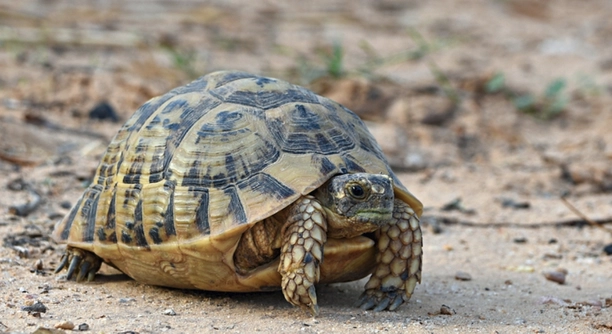
Greek tortoises are fascinating creatures, but their behaviors can sometimes be puzzling, especially when they climb on top of each other. It’s natural to want to understand what’s going on when your tortoises engage in this activity.
The primary reason for climbing behavior is usually related to dominance or mating behavior. Tortoises may climb over each other to establish dominance or attempt to court the other tortoises. This is a common social interaction among them.
There are several factors influencing this behavior, from their natural instincts to their environment. Learning more about these actions can help you ensure your tortoises remain healthy and happy in their enclosure.
Understanding Dominance and Mating Behavior
Tortoises are territorial creatures, and their climbing behavior is often linked to establishing dominance. In the wild, they may climb on top of one another as a way to show who’s in charge. When tortoises are kept together in an enclosure, this behavior might be more noticeable, especially if there is a competition for food, space, or attention. Additionally, during mating season, male tortoises may climb on females as part of their courtship. This is their way of trying to assert their presence and get closer to the female, signaling their intent to mate. While it may seem aggressive, it’s a natural and instinctive action for these reptiles.
These actions are not harmful and are just part of their social structure. In fact, it’s important to observe them as they interact, as it shows they’re engaging in normal behaviors. If the climbing seems excessive, consider whether there’s enough space for them to avoid such interactions.
If you’re unsure about what’s causing your tortoises to climb, check if there are any other signs of stress. Overcrowding in an enclosure, lack of hiding spots, or even an imbalance in food availability can make these behaviors more frequent.
Environmental Factors Affecting Behavior
Your tortoises’ environment plays a big role in how they act around one another. A cramped or poorly designed enclosure can lead to increased stress and competition for resources. When there’s not enough space to roam, tortoises may engage in climbing behavior more often as they try to stake out a territory or claim a spot they feel is desirable. Tortoises are more likely to climb over each other when they feel their environment doesn’t offer the proper outlets for natural behaviors.
To help reduce climbing, ensure your tortoises have enough room. This includes providing enough space to walk around, hide, and explore. Adding hiding places such as rocks or plants can also give them a sense of security, reducing stress and the need to climb on each other. If your enclosure is too small or lacking in enrichment, this behavior could escalate, leading to a more competitive and less peaceful atmosphere.
By observing your tortoises’ interactions and adjusting their habitat, you can help them live more comfortably and reduce climbing incidents.
Hormonal Influences
Hormones play a major role in tortoises’ climbing behavior, especially during mating seasons. Male tortoises become more aggressive in their attempts to climb on females as they seek to mate. The presence of increased hormones, such as testosterone, can trigger these actions. Understanding that this behavior is driven by natural instincts helps put it into perspective.
Hormonal changes often lead to climbing during breeding periods, with male tortoises actively seeking out females for mating. If you have multiple tortoises of different sexes, expect the males to engage in more climbing behavior, which is their way of asserting dominance and signaling readiness for mating. This is entirely natural.
During hormonal surges, male tortoises may also attempt to climb on other males, particularly if there’s competition for a female. This can lead to what seems like unnecessary aggression, but it’s simply them expressing dominance and vying for attention. It’s part of the natural mating rituals in many animal species.
Overcrowding and Stress
Too many tortoises in a small space will increase the likelihood of climbing behaviors. Tortoises need room to roam freely, and if the enclosure is overcrowded, they may begin to climb on each other due to stress or territorial behavior. A lack of space can lead to frustration, which results in more climbing.
To prevent overcrowding, carefully monitor the number of tortoises in a given enclosure. Provide enough square footage per tortoise based on the species’ size. It’s essential to create a habitat where each tortoise has its own personal space, reducing the likelihood of climbing behavior. If possible, expand the enclosure to allow for natural movement.
Climbing due to overcrowding can also be a sign of aggression or discomfort. Tortoises need time to relax and feel secure in their environment. If they’re constantly on top of each other, it may indicate a need for a better distribution of space. Take a closer look at the arrangement of your tortoises’ habitat to ensure they’re not under stress from being too close together.
Lack of Enrichment
If tortoises don’t have enough stimulation in their environment, they may start climbing on each other out of boredom. Tortoises are naturally curious, and without enough objects to explore, they might focus their energy on other tortoises. Enrichment is key to reducing this behavior.
Consider adding new items to the enclosure such as logs, rocks, or plants that encourage exploration. Items like these not only keep your tortoises entertained but also give them more space to move around without feeling the need to climb over one another. A lack of enrichment can lead to undesirable behaviors.
Health or Injury Concerns
Sometimes, climbing behavior could be a sign that something isn’t right with your tortoises. If one tortoise is consistently climbing on another, it might be attempting to assert dominance due to feeling unwell or injured. When a tortoise is in discomfort, it might use climbing as a form of distraction or a coping mechanism.
Look out for signs of illness or injury such as lethargy, limping, or a lack of appetite. If you notice these, it might be time for a checkup with a reptile veterinarian to ensure your tortoise is in good health. A health issue could explain why one tortoise is more aggressive than others.
Temperature and Humidity Factors
Your tortoises’ climbing behavior could be linked to the conditions in their habitat. If the temperature and humidity are too high or too low, tortoises may feel stressed or uncomfortable. This stress can cause them to act out by climbing over each other.
FAQ
Why is my tortoise climbing on another tortoise?
Tortoises typically climb on each other to establish dominance or during mating attempts. Males, in particular, may climb on females when they are in the mood to mate. If there is competition for space or food, climbing can also be a sign of dominance. It is common behavior and often not a cause for concern.
How can I stop my tortoise from climbing on others?
If you want to reduce climbing, the most effective way is to ensure that your tortoises have ample space. Overcrowding can lead to climbing as they fight for territory. Increase the size of the enclosure, add hiding spots, and provide plenty of enrichment to keep them engaged.
Are there any signs that climbing is harmful to my tortoises?
Climbing on each other in itself is usually harmless, but it may become problematic if it leads to physical injury. Keep an eye out for signs of stress, such as one tortoise consistently trying to climb over the others, or if there’s excessive aggression. You’ll also want to ensure that no tortoises are being kept in an overcrowded or stressful environment. If you notice scratches, biting, or a tortoise being unable to get away from the others, it’s a good idea to intervene.
Is climbing more common in male tortoises?
Yes, males are typically more likely to climb on females, especially during mating season. However, male tortoises may also climb on other males as they compete for dominance. The behavior can be attributed to hormonal changes, and it’s often a natural part of their social interaction.
How do I know if my tortoise is stressed?
Common signs of stress in tortoises include decreased appetite, lethargy, excessive hiding, and abnormal behaviors such as constant climbing or pacing. Stress can be triggered by overcrowding, improper temperatures, or a lack of environmental enrichment. If you notice these signs, make adjustments to their habitat and give them time to settle.
Can climbing indicate that my tortoise is sick?
Climbing behavior on its own is unlikely to be a direct sign of illness. However, if your tortoise seems unusually aggressive or persistent in climbing, it might be a sign that something is off. Illness or injury could make a tortoise behave differently. If climbing is accompanied by signs of discomfort, such as limping or not eating, it’s worth checking with a vet.
Should I separate my tortoises if they are constantly climbing?
If climbing is becoming too frequent or aggressive, it may be helpful to separate the tortoises for a while, especially if they seem stressed or if one tortoise is being bullied. However, if the behavior is part of natural mating rituals or mild social interactions, separation may not be necessary. It’s important to observe the context of the behavior and decide accordingly.
Do I need to worry about mating if my tortoises are climbing on each other?
Climbing behavior is often a part of mating rituals, especially with males climbing on females. If you have both male and female tortoises and see this behavior, it could be a sign that your tortoises are trying to mate. While this behavior is natural, it may be helpful to ensure they’re comfortable with each other. If you don’t want them to breed, consider separating the males and females during mating seasons.
What is the best way to create a tortoise-friendly enclosure to reduce climbing?
Ensure your enclosure is spacious enough for the number of tortoises you have. Provide hiding places, such as rocks or plants, to allow for privacy and reduce territorial competition. Use various levels in the enclosure to create interest and space for exploration. Additionally, regulate the temperature and humidity to suit the species you have.
Can temperature changes affect climbing behavior?
Yes, temperature and humidity can impact a tortoise’s behavior. If the environment is too hot or too cold, your tortoises may become stressed and act out. This could lead to more climbing behavior as they try to find a comfortable spot or assert dominance. Keeping the habitat at the correct temperature for your tortoise species is essential for their well-being.
What other behaviors should I watch for besides climbing?
In addition to climbing, watch for pacing, excessive hiding, or changes in appetite. These can all be signs of stress or discomfort. You may also see your tortoise digging or scratching at the sides of the enclosure if it feels confined. It’s important to observe their behavior regularly to make sure they’re comfortable and healthy.
Final Thoughts
Climbing is a natural behavior for tortoises, and it often happens for reasons that are a normal part of their instincts. Whether they are trying to establish dominance, mate, or simply explore their surroundings, this behavior usually isn’t a cause for concern. However, if it becomes excessive or seems to be linked to stress, overcrowding, or health problems, it may require attention. Understanding the root cause of the climbing behavior can help you address any issues and ensure your tortoises are happy and healthy.
The environment you provide for your tortoises plays a huge role in how they interact with each other. A well-designed enclosure with enough space, hiding spots, and enrichment can reduce the chances of excessive climbing. By mimicking their natural habitat and offering opportunities for exploration, you can create an environment that promotes positive behaviors. Ensuring proper temperature and humidity levels will also help reduce stress, which can sometimes lead to climbing behavior. The more comfortable your tortoises feel, the less likely they will be to climb on each other out of frustration or discomfort.
In the end, tortoises climbing on each other is often a normal part of their behavior, especially when they are living together in close quarters. As long as they’re not showing signs of aggression, injury, or stress, it’s likely that the climbing is just a natural social interaction. Monitoring their behavior closely, ensuring their environment is stress-free, and addressing any health concerns are all key steps in keeping your tortoises content. If you’re ever uncertain, consulting a veterinarian can help give you peace of mind and guide you in making the best decisions for your tortoises’ well-being.

Hello,
If you enjoy the content that we create, please consider saying a "Thank You!" by leaving a tip.
Every little bit helps us continue crafting quality advice that supports the health, happiness, and well-being of pets around the world, for pets of all shapes, sizes, and species.
We really appreciate the kindness and support that you show us!