
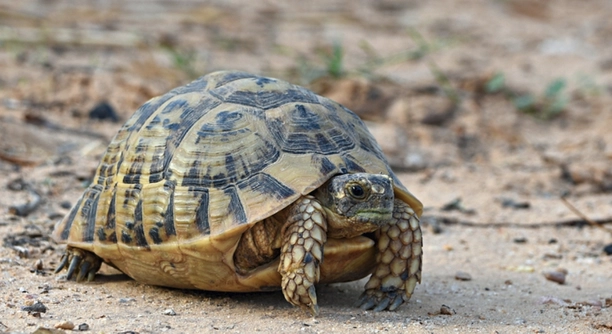
Do you ever find yourself watching your Greek tortoise and noticing its legs shaking? This behavior may seem strange, but it is not uncommon. Understanding why it happens can help ensure your pet stays healthy and comfortable.
Greek tortoises shake their legs due to various reasons, including muscle relaxation, stretching, temperature regulation, stress, or underlying health issues. Observing when and how often it occurs can help determine whether the behavior is natural or a cause for concern.
There are several reasons why your Greek tortoise may be shaking its legs. Some are harmless, while others require attention. Learning the causes will help you understand your pet’s behavior and take the right steps when needed.
Common Reasons for Leg Shaking in Greek Tortoises
Greek tortoises may shake their legs for various reasons. Sometimes, they do this to stretch their muscles after resting for a while. Other times, they shake their legs to regulate body temperature, especially when basking under a heat lamp. Stress can also cause this behavior, particularly if they feel threatened or uncomfortable in their environment. Additionally, dehydration or nutrient deficiencies may lead to muscle spasms. In some cases, leg shaking can be a sign of illness, such as metabolic bone disease or respiratory infections. Monitoring their behavior closely will help determine if the shaking is normal or if further action is needed.
If your tortoise occasionally shakes its legs while basking or after waking up, it is usually harmless. However, frequent or excessive shaking, especially when paired with other unusual behaviors, may indicate a problem. Paying attention to these signs can help keep your tortoise healthy.
A well-balanced diet, proper lighting, and a comfortable habitat can prevent many issues related to leg shaking. Calcium deficiency, for example, is a common cause of muscle problems, so ensuring your tortoise gets enough calcium is essential. Keeping their environment clean, maintaining the right temperature, and offering fresh water will also help reduce stress and prevent health concerns.
When to Be Concerned
If your tortoise’s leg shaking happens regularly and is accompanied by weakness, loss of appetite, or difficulty walking, it may be a sign of illness. Infections, metabolic bone disease, and nerve damage can all contribute to abnormal muscle movements. Seeking veterinary advice is important in these cases.
A lack of calcium and vitamin D3 can cause weak muscles and uncontrolled shaking. Without enough of these nutrients, a tortoise’s bones and muscles may not function properly. Respiratory infections can also cause weakness, making it harder for them to move around. If a tortoise struggles to support its weight or drags its legs, there could be an issue with its nerves or spine. Sudden leg shaking combined with swelling or difficulty moving might suggest an injury. Injuries can occur from falls, rough handling, or sharp objects in their enclosure.
Observing your tortoise’s overall health and daily behavior will help you decide whether the shaking is normal or a cause for concern. Providing a proper diet, keeping their habitat well-maintained, and scheduling regular vet visits will ensure your tortoise stays happy and healthy.
How to Prevent Leg Shaking in Greek Tortoises
A proper diet is essential for strong muscles and overall health. Greek tortoises need a variety of leafy greens, calcium-rich foods, and occasional fruits. Without enough calcium and vitamin D3, their muscles can weaken, leading to trembling or shaking. A well-balanced diet can help prevent these issues.
Providing proper lighting is just as important. Greek tortoises need UVB light to absorb calcium and maintain bone health. Without enough UVB exposure, they may develop metabolic bone disease, which can cause muscle weakness and leg shaking. The enclosure should have a UVB bulb that mimics natural sunlight, and outdoor time is beneficial when possible. Maintaining the correct temperature in their habitat is also key. If it is too cold, a tortoise’s muscles may not function properly, leading to tremors. Ensuring a warm basking spot and a cooler area allows them to regulate their body temperature effectively.
Hydration plays a big role in muscle function. A dehydrated tortoise may experience muscle spasms and weakness. Fresh water should always be available, and occasional warm soaks can help with hydration. Stress reduction is another important factor. A calm, quiet environment with hiding spots will help them feel secure. Avoid excessive handling, loud noises, or sudden changes to their surroundings to prevent unnecessary stress.
Proper Care for a Healthy Tortoise
Regular health checks can help catch any problems early. Watching for changes in movement, appetite, and behavior is important. If your tortoise’s leg shaking becomes more frequent, or if they show other signs of illness, a vet visit is the best way to ensure they receive proper care.
A clean and well-maintained enclosure prevents health issues. Dirty environments can lead to infections, which may cause weakness and abnormal movement. The enclosure should be cleaned regularly, with fresh substrate, clean water, and proper ventilation. The right humidity level is also important, as too much moisture can lead to respiratory infections, while too little can cause dehydration. Consistency in care will keep your tortoise comfortable and healthy.
Handling your tortoise gently and providing a stress-free environment will improve their well-being. A calm routine with proper nutrition, lighting, and hydration will help prevent leg shaking and other health concerns. With the right care, your Greek tortoise can live a long and active life.
Environmental Factors That Affect Leg Shaking
Temperature fluctuations can impact muscle function. If the enclosure is too cold, a tortoise’s muscles may not work properly, leading to tremors. A consistent temperature with a warm basking area and a cooler zone helps them regulate their body and stay comfortable.
Incorrect humidity levels can also cause problems. Too much humidity may lead to respiratory issues, while too little can result in dehydration and muscle weakness. Monitoring the humidity with a hygrometer and adjusting it as needed will help keep your tortoise healthy and prevent unnecessary stress on their body.
Importance of a Balanced Diet
A diet lacking essential nutrients can lead to weak muscles and leg shaking. Calcium and vitamin D3 are crucial for bone and muscle health. Without them, a tortoise may develop metabolic bone disease, which causes tremors, weakness, and difficulty moving. Dark leafy greens, cuttlebone, and UVB lighting help provide these necessary nutrients. A varied diet also supports overall health. Feeding only one type of food can lead to deficiencies, making a tortoise more prone to muscle issues. Safe vegetables, occasional fruits, and calcium-rich foods will keep their muscles strong and functioning properly. A proper diet reduces the risk of health problems and ensures your tortoise stays active.
When to Seek Veterinary Help
If leg shaking is frequent, persistent, or paired with other symptoms like lethargy or loss of appetite, a vet visit is necessary. Underlying health conditions, such as metabolic bone disease or infections, may require medical treatment. A professional can provide a diagnosis and recommend the best course of action.
FAQ
Why does my Greek tortoise shake its legs while basking?
Leg shaking while basking is usually normal. It can be a way for the tortoise to stretch its muscles or adjust its body position for better heat absorption. If the behavior is occasional and the tortoise appears healthy, there is no need to worry. However, if the shaking is excessive or accompanied by other symptoms, it may indicate a problem with temperature regulation or muscle function. Ensuring the basking spot is warm enough and the enclosure is set up properly can help prevent any discomfort.
Can dehydration cause leg shaking in Greek tortoises?
Yes, dehydration can lead to muscle spasms and shaking. Without enough water, a tortoise’s muscles may not function properly, causing involuntary movements. Signs of dehydration include sunken eyes, dry skin, and reduced activity. Providing fresh water daily and offering occasional warm soaks can help keep your tortoise hydrated. Humidity levels should also be monitored, as extremely dry environments can contribute to dehydration. A well-hydrated tortoise is less likely to experience muscle-related issues, including leg shaking.
Does stress make a Greek tortoise’s legs shake?
Stress can cause physical reactions, including muscle tremors. Loud noises, excessive handling, or sudden changes in the environment may make a tortoise feel anxious. A stressed tortoise may also hide frequently, refuse food, or become less active. Creating a quiet, stable environment with hiding spots and minimal disturbances can help reduce stress. If stress-related shaking continues, evaluating their habitat setup and daily routine can help identify and fix the issue.
What role does calcium play in preventing leg shaking?
Calcium is essential for strong bones and muscle function. Without enough calcium, a tortoise may develop metabolic bone disease, leading to muscle weakness, tremors, and difficulty walking. A diet rich in calcium, along with proper UVB lighting to aid absorption, is crucial. Providing cuttlebone, calcium supplements, and calcium-rich greens like collard or mustard greens helps prevent deficiencies. If a tortoise isn’t getting enough calcium, adjusting their diet and lighting setup can improve their overall health and reduce leg shaking.
Can an injury cause my tortoise’s legs to shake?
Yes, injuries can lead to leg shaking, especially if there is nerve or muscle damage. Falls, rough handling, or an unsafe enclosure can result in sprains, fractures, or internal injuries. If the shaking is accompanied by swelling, limping, or difficulty moving, a vet visit is necessary. Preventing injuries by providing a safe, well-padded enclosure and handling your tortoise gently will help avoid these issues. Identifying an injury early can prevent long-term complications and ensure proper healing.
Should I be worried if my tortoise shakes its legs while sleeping?
Occasional leg shaking during sleep is usually harmless. Like other animals, tortoises may experience small muscle twitches while resting. However, if the shaking is frequent or violent, it may indicate a health problem, such as a neurological issue or an electrolyte imbalance. If other unusual behaviors occur, monitoring their diet and environment for potential deficiencies or stressors is important. If the shaking persists, consulting a vet can help rule out underlying conditions.
How can I tell if my tortoise’s leg shaking is serious?
If the leg shaking is frequent, persistent, or paired with other symptoms like loss of appetite, lethargy, or weakness, it could indicate a health issue. Muscle spasms caused by metabolic bone disease, infections, or dehydration require immediate attention. Observing other signs, such as changes in movement or behavior, can help determine if a vet visit is necessary. Addressing any underlying causes early can prevent further complications and keep your tortoise healthy.
Can cold temperatures cause leg shaking in Greek tortoises?
Cold temperatures can slow down a tortoise’s metabolism and muscle function, leading to tremors. If the enclosure is too cold, their body may struggle to stay warm, causing involuntary muscle movements. Maintaining a proper temperature gradient with a warm basking area and a cooler retreat allows them to regulate their body heat. If the shaking stops once the temperature is adjusted, it was likely due to the cold environment. Consistently monitoring the heat levels will help prevent further issues.
Why does my tortoise shake its legs after eating?
Leg shaking after eating may simply be part of their natural movement, especially if they are shifting position or adjusting their body. However, if the shaking is excessive, it could be due to digestive discomfort or muscle fatigue. Ensuring your tortoise has a proper diet with adequate hydration can help with digestion. If they show signs of distress or unusual behavior after meals, evaluating their food choices and portion sizes may be necessary.
Is leg shaking ever a sign of old age in tortoises?
As tortoises age, their muscles and joints may weaken, leading to occasional tremors. Older tortoises may also experience arthritis, which can cause stiffness and shaking. Providing a comfortable, well-maintained habitat and a nutrient-rich diet can support aging tortoises. If leg shaking becomes severe or interferes with movement, a vet can assess for age-related conditions and recommend appropriate care. Regular checkups and minor adjustments to their environment can improve their quality of life as they get older.
Final Thoughts
Greek tortoises may shake their legs for various reasons, ranging from harmless muscle stretches to underlying health concerns. Occasional shaking, especially after basking or waking up, is usually nothing to worry about. However, frequent or persistent leg shaking could indicate issues like dehydration, stress, nutritional deficiencies, or even illness. Observing when and how often the shaking occurs can help determine if it is normal behavior or a sign of a problem. Keeping an eye on other symptoms, such as appetite changes, lethargy, or difficulty walking, is also important. If anything seems unusual, taking action early can prevent more serious health complications.
Providing proper care is the best way to keep your Greek tortoise healthy and minimize leg shaking. A well-balanced diet with plenty of calcium and vitamin D3 supports strong muscles and bones. UVB lighting helps with calcium absorption, preventing issues like metabolic bone disease. Keeping their enclosure at the right temperature and humidity ensures their body functions properly and reduces stress. Fresh water should always be available, as dehydration can lead to muscle spasms. Regular health checks, a clean habitat, and a stable environment all contribute to a happy and active tortoise. Simple adjustments to their diet or surroundings can make a big difference in their overall well-being.
If leg shaking continues despite proper care, seeking veterinary advice is the safest option. A vet can identify any underlying conditions and recommend the best treatment. While minor shaking is often harmless, persistent tremors, weakness, or other unusual behaviors should not be ignored. Early intervention can prevent more serious health issues and help your tortoise live a long, comfortable life. By understanding the causes of leg shaking and providing the right care, you can ensure your tortoise stays strong and active for years to come.

Hello,
If you enjoy the content that we create, please consider saying a "Thank You!" by leaving a tip.
Every little bit helps us continue crafting quality advice that supports the health, happiness, and well-being of pets around the world, for pets of all shapes, sizes, and species.
We really appreciate the kindness and support that you show us!