
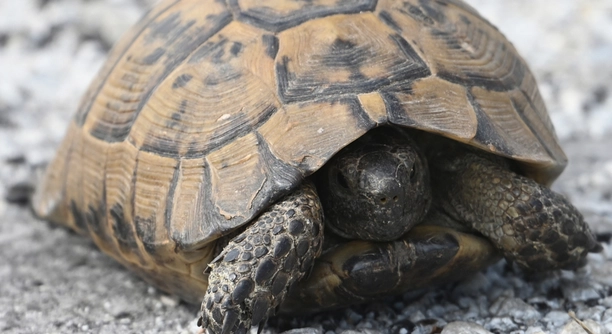
Greek tortoises are known for their diverse diet, consisting of various fruits and vegetables. However, when it comes to feeding them pears, it’s important to understand the nutritional benefits and potential risks of this fruit.
Greek tortoises can eat pears in moderation. Pears provide essential vitamins, but they are high in sugar and water content, which could lead to digestive issues or obesity if consumed excessively. Always offer them as an occasional treat.
Offering pears as part of a balanced diet can be beneficial, but portion control is key. Keep reading to learn more about how pears affect your tortoise’s health and how to serve them safely.
Nutritional Benefits of Pears for Greek Tortoises
Pears can be a healthy treat for Greek tortoises, offering a variety of essential nutrients. They contain vitamin C, which helps support their immune system and overall health. Pears also provide fiber, promoting proper digestion, which is crucial for tortoises’ digestive systems. The fruit’s water content helps with hydration, especially in warmer months when tortoises are more active. However, these benefits are best enjoyed in moderation due to the fruit’s sugar content. When overfed, sugar can lead to health issues like obesity and digestive problems. A small amount of pear can be a great addition to their diet, but should not replace their primary food source.
Pears should be given as an occasional treat rather than a regular part of their diet. With their high sugar and water content, it is important to monitor their intake. Overconsumption may lead to imbalance in their nutritional intake.
When feeding pears to your Greek tortoise, it’s important to remove the seeds. Pear seeds contain small amounts of cyanide, which can be harmful over time. Always wash the fruit thoroughly before offering it, as pesticides or chemicals may be present on the skin. Cut the pear into small, manageable pieces for your tortoise to enjoy. Keeping portion sizes small and limiting pear to once or twice a week will help prevent any negative health effects.
How Often Should Greek Tortoises Eat Pears?
Limiting pears to occasional treats helps maintain a balanced diet for your tortoise. Offering pears more than once a week may risk overfeeding them with sugar and water.
Greek tortoises need a carefully balanced diet that focuses on leafy greens, grasses, and weeds. While pears can provide some variety, it should not replace the essential nutrients they receive from other foods. Offering fruits in moderation ensures they still receive the right amount of fiber, vitamins, and minerals. Regularly feeding them large quantities of pears can create an imbalance and might cause long-term health problems such as kidney issues or weight gain. Keeping pear servings small and infrequent will allow your tortoise to enjoy the fruit’s benefits while maintaining a healthy, balanced diet.
Risks of Overfeeding Pears to Greek Tortoises
Feeding too many pears can lead to serious health issues for your Greek tortoise. The high sugar content in pears can contribute to weight gain and obesity, which could result in shell deformities or mobility problems. Overconsumption can also lead to digestive issues like diarrhea or bloating.
Excessive sugar intake can also disrupt their gut flora, leading to an imbalance that might affect digestion. Since Greek tortoises are herbivores, their digestive system is adapted to process fiber from plants. When given too much sugary fruit, it can overwhelm their stomach, causing discomfort and possible long-term health concerns. Moderation is key.
If you notice any signs of upset stomachs, changes in behavior, or weight gain, it may be a sign that pears are being offered too often. Consider adjusting the frequency and portion size of pears in their diet, ensuring they remain a treat rather than a staple food source.
How to Prepare Pears for Greek Tortoises
Before offering pears to your Greek tortoise, always wash them thoroughly to remove any pesticides or chemicals. Cutting the pear into small, bite-sized pieces is essential for their safety.
The seeds of the pear can be harmful, containing small amounts of cyanide, so be sure to remove them entirely before serving. It’s also a good idea to remove the skin, especially if the pear is non-organic, as it might contain harmful residues. When feeding, stick to a few small pieces per serving and monitor your tortoise’s response to this new food. Ensuring the pear is fresh will give your tortoise the best nutritional benefit without the risk of spoilage or contamination.
Can Greek Tortoises Eat Other Fruits?
Greek tortoises can eat a variety of fruits, but just like pears, they should be given in moderation. Fruits like apples, grapes, and berries are safe for them, but high sugar content still poses the same risks.
Always make sure that the fruit is free from pesticides and seeds. These can be harmful to your tortoise, so cutting the fruit into manageable pieces is essential. Monitor your tortoise’s health regularly after introducing new fruits to their diet. Not all fruits are suitable for Greek tortoises, so it’s important to research each one before offering it.
Why Offer Fruits in Moderation?
Offering fruits occasionally can add variety to your tortoise’s diet, but too much can lead to health problems. Stick to smaller portions to avoid overfeeding.
Limiting fruit intake helps maintain a well-balanced diet, focusing on nutrient-rich vegetables and grasses. This ensures your Greek tortoise receives the necessary fiber and vitamins.
FAQ
Can Greek tortoises eat pears every day?
No, Greek tortoises should not eat pears every day. Pears are high in sugar and water content, which can lead to digestive problems and obesity if consumed too frequently. Offering pears once or twice a week is a safe amount. Focus on providing a well-balanced diet of leafy greens, grasses, and occasional fruits in moderation.
Are pears good for Greek tortoises?
Pears can be a good treat in moderation, offering vitamin C and fiber. These nutrients support their immune system and digestive health. However, the high sugar content means they should be treated as an occasional snack rather than a regular part of their diet. The fruit should be cut into small pieces and free from seeds to avoid potential health risks.
How much pear should I give my Greek tortoise?
A small piece of pear is sufficient for a Greek tortoise. The serving should be no larger than a few bite-sized pieces, about once or twice a week. This ensures they get the nutritional benefits without risking digestive upset or weight gain. Always monitor your tortoise’s reaction to new foods.
Can Greek tortoises eat pear skin?
While pear skin is not toxic to Greek tortoises, it’s recommended to remove it, especially if the pear is non-organic. Pesticides and chemicals often remain on the skin, which can be harmful. To be safe, peel the pear before offering it to your tortoise. Always wash the fruit thoroughly before preparing it.
Are there any dangers of feeding Greek tortoises pears?
The main danger of feeding pears to Greek tortoises is the high sugar content. Overfeeding can lead to obesity, digestive issues, and potential kidney problems. Additionally, pear seeds contain trace amounts of cyanide, which can be harmful over time. Always remove the seeds before feeding and keep portions small.
Can Greek tortoises eat pears with seeds?
No, Greek tortoises should not eat pear seeds. They contain small amounts of cyanide, which is toxic. Always remove the seeds before offering pears to your tortoise. Even though the amount of cyanide in a single seed might not be enough to cause immediate harm, it can build up over time.
What fruits are safe for Greek tortoises?
Besides pears, Greek tortoises can eat other fruits such as apples, grapes, strawberries, and melon. However, these should only be offered in small amounts. High-sugar fruits can cause weight gain and other health issues if given too frequently. Stick to a balanced diet, using fruits as occasional treats.
How often can I feed my Greek tortoise fruits?
Fruits should be offered sparingly. Once or twice a week is ideal, keeping the portions small. Too many fruits can upset your tortoise’s digestive system and lead to unhealthy weight gain. Make sure the majority of their diet consists of leafy greens, grasses, and safe vegetables for proper nutrition.
Can Greek tortoises eat all types of fruit?
Not all fruits are suitable for Greek tortoises. Citrus fruits like oranges, lemons, and limes should be avoided because they are too acidic and can cause stomach issues. Additionally, tropical fruits such as bananas and pineapple should be limited due to their high sugar content. Always research the specific fruit before offering it.
What are the signs of feeding too many pears to a Greek tortoise?
If you notice that your Greek tortoise is gaining weight rapidly or seems lethargic, it could be due to overfeeding fruits like pears. Other signs include diarrhea, bloating, or irregular droppings. If any of these occur, reduce fruit intake and consult a veterinarian for further guidance.
Can Greek tortoises eat dried pears?
Dried pears are not recommended for Greek tortoises. They are high in concentrated sugar and can lead to health issues like obesity, kidney problems, and digestive discomfort. Stick to fresh pears and always offer them in moderation. Dried fruits are generally not ideal for tortoises due to their high sugar concentration.
Are organic pears safer for Greek tortoises?
Organic pears are a safer option for Greek tortoises because they are less likely to contain harmful pesticides and chemicals. If you cannot get organic pears, make sure to wash the fruit thoroughly before feeding it to your tortoise. Removing the skin is also a good practice, especially for non-organic fruits.
Can pears be harmful if they are overripe?
Overripe pears should be avoided as they may contain mold, which can be harmful to Greek tortoises. Moldy fruit can cause stomach upset and other health issues. Always ensure that the pear is fresh and firm, cutting away any soft spots or areas showing signs of rot before offering it to your tortoise.
Can Greek tortoises eat pears along with their other food?
While it’s safe to offer pears along with their regular food, make sure the pear doesn’t dominate their meal. Greek tortoises should primarily eat leafy greens and grasses, with fruits like pears offered in moderation. Mixing fruit with other foods occasionally is fine, but always maintain balance in their diet.
Is it safe to feed Greek tortoises pear leaves?
Pear leaves should be given with caution. While not toxic, they may be high in oxalates, which can cause kidney issues if consumed in large quantities over time. Offering pear leaves occasionally in small amounts is fine, but they should not be a regular part of your tortoise’s diet.
Final Thoughts
Feeding Greek tortoises pears can be a healthy treat when offered in moderation. These tortoises enjoy a variety of fruits, and pears provide some important nutrients, such as fiber and vitamin C. However, pears should not be a regular part of their diet due to their high sugar content. Overconsumption of sugary fruits can lead to obesity and other health issues, so it is essential to offer pears as an occasional snack rather than a daily treat. A balanced diet consisting mostly of leafy greens and grasses should be prioritized for overall health.
In addition to pears, there are many other fruits that are safe for Greek tortoises to eat, such as apples, strawberries, and melons. Like pears, these should also be given in moderation. It’s important to remember that fruits should not make up the majority of your tortoise’s diet. The focus should remain on vegetables and grasses, which provide the proper nutrients and fiber necessary for healthy digestion and shell growth. Keeping fruit portions small helps ensure that your tortoise receives a well-rounded diet without overloading on sugars.
Finally, always remember to prepare fruit properly before feeding it to your Greek tortoise. Wash it thoroughly to remove any pesticides, and remove seeds, skins, or any parts that could be harmful. Monitoring their overall health and adjusting their diet as needed can help ensure they live a long, healthy life. By offering fruits like pears sparingly and focusing on a balanced diet, you can provide your Greek tortoise with the best care possible.

Hello,
If you enjoy the content that we create, please consider saying a "Thank You!" by leaving a tip.
Every little bit helps us continue crafting quality advice that supports the health, happiness, and well-being of pets around the world, for pets of all shapes, sizes, and species.
We really appreciate the kindness and support that you show us!