
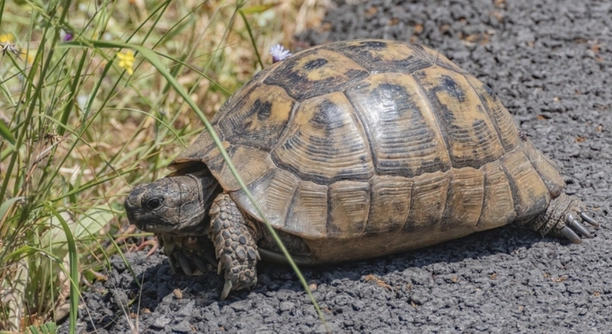
Greek tortoises are popular pets known for their outdoor adventures. Ensuring their health means taking care of their exposure to sunlight. While they thrive in natural sunlight, they can still face the risk of sunburn if not properly protected.
Greek tortoises can indeed get sunburned, especially if exposed to intense sunlight for too long. Their skin, like that of many reptiles, is sensitive to UV rays, making it essential to provide shade and avoid overexposure.
By understanding the best practices for sun protection, you can help ensure your tortoise stays safe and comfortable in its environment.
How Sunburn Affects Greek Tortoises
Sunburn can be a serious issue for Greek tortoises, as their skin is vulnerable to prolonged sun exposure. A sunburned tortoise may experience redness, swelling, or even blisters, which can be painful and lead to long-term health problems. Tortoises rely on heat and sunlight to regulate their body temperature, but too much exposure can overwhelm their skin, making it difficult for them to absorb necessary nutrients. It’s crucial to monitor their time spent in the sun and to ensure they have a safe space to retreat when the heat becomes too intense. Regular check-ups and an eye on their behavior can help spot early signs of sunburn, which is essential for preventing further harm.
They can also become stressed when exposed to harsh sunlight for too long. Stress can weaken their immune system, making them more vulnerable to diseases. It’s important to find a balance in their exposure to sunlight and shade.
Providing a shaded area and ensuring they are never out in the sun for excessive periods is key. A proper outdoor enclosure with areas for both basking and cooling off helps in maintaining their health. This gives them the opportunity to move between sun and shade, mimicking their natural environment. Be sure to monitor the temperatures throughout the day, as it’s easy for an enclosure to become too hot without proper ventilation.
How to Protect Your Tortoise from Sunburn
To prevent sunburn, consider using a combination of shade and indirect sunlight. A secure outdoor enclosure is essential for Greek tortoises to stay safe while enjoying the outdoors. You can also create shaded areas using natural elements or artificial coverings.
The use of a basking area is important for a Greek tortoise to regulate its body temperature. However, excessive basking or being directly in the sun for too long can lead to overheating and sunburn. An area with partial shade, such as under a tree or a small structure, provides the perfect environment. Ensure the shaded spot is easy for the tortoise to access at all times, allowing them to move in and out as needed. Also, avoid placing them in direct sunlight during peak hours, especially in summer.
Finally, always ensure your tortoise has access to fresh water, which helps prevent dehydration from sun exposure. Proper hydration supports their overall health and helps maintain a balance while outdoors.
Signs Your Greek Tortoise is Getting Too Much Sun
If your Greek tortoise seems lethargic, has red or inflamed skin, or is hiding more than usual, these could be signs of sunburn. Excessive sun exposure can also cause them to become overly stressed or dehydrated, affecting their overall well-being. Watch for signs like loss of appetite or abnormal behavior, which could signal that they are not handling the heat well. Quick action can prevent more severe damage, so it’s important to monitor them closely.
Excessive sun can cause skin damage in tortoises, similar to how humans experience sunburn. This can make their skin more sensitive, leading to peeling, blisters, or irritation. The sunburn might be hard to spot at first, but over time, these symptoms can worsen. If untreated, sunburn can cause long-term damage to their health. If you notice these signs, it’s essential to move your tortoise to a shaded area and provide immediate care.
Constant overexposure to the sun can also lead to dehydration, as it accelerates water loss. A dehydrated tortoise may struggle to regulate its temperature, making them more vulnerable to other health issues. Dehydration can lead to more severe problems, such as kidney damage. Be sure to keep fresh water available at all times, and monitor their condition closely if you suspect dehydration. Regular hydration is essential for their overall health.
Creating the Right Outdoor Environment for Your Tortoise
Building a suitable outdoor environment for your tortoise is crucial for its health and safety. A good enclosure should have a combination of sunny and shaded areas to allow your tortoise to regulate its body temperature. The structure should be secure enough to prevent escape, as well as to protect them from predators. This ensures they can roam freely without worry.
Consider the temperature of the area where you plan to place the enclosure. While Greek tortoises enjoy the sun, temperatures can rise quickly and become unsafe. Having shaded areas, like under a tarp or tree, can protect them from direct sun during peak hours. In addition, ensure the enclosure has proper ventilation, allowing for air circulation to prevent overheating. You can also provide rocks or logs for climbing, helping to mimic their natural habitat and encourage exercise.
Don’t forget to include hiding spots where they can feel safe and protected. Tortoises enjoy retreating to shaded or covered spots when they feel overwhelmed. This not only gives them protection from the sun but also helps to reduce stress levels. By giving them a range of areas to choose from, you are mimicking their natural behavior and keeping them comfortable. Be sure to regularly check the conditions inside the enclosure to make any necessary adjustments for temperature control.
Importance of Shade for Your Greek Tortoise
Providing shade is one of the most important ways to protect your Greek tortoise from sunburn. A shaded area lets them escape the heat when needed and avoid excessive sun exposure. It also helps them stay cool during the hottest parts of the day.
Without proper shade, tortoises can suffer from stress, dehydration, and sunburn. You should always ensure their outdoor habitat offers sufficient coverage. If natural shade is not available, artificial coverings like a canopy or umbrella can be used to provide relief.
How to Build a Suitable Shelter
A good shelter for your tortoise should include both shaded and sunny areas. The shelter should be large enough for them to move freely between temperatures. Ensure it has a solid roof to protect from rain and harsh sun, and keep the sides secure to avoid escape.
The area where they rest should also be insulated to provide warmth during cooler nights. A small, enclosed space inside the shelter gives them a sense of safety and security. Make sure the shelter is not too hot or too cold, adjusting the internal temperature as needed.
Monitoring Your Tortoise’s Exposure to Sun
You should regularly monitor how much sun your tortoise is getting, especially on very hot days. Keeping an eye on their behavior can tell you if they need more shade or water. Be mindful of their temperature tolerance and adjust their exposure accordingly.
FAQ
Can Greek tortoises tolerate direct sunlight?
Yes, Greek tortoises enjoy sunlight and need it to regulate their body temperature. However, they cannot handle prolonged exposure to direct sunlight, especially during peak hours when the heat is intense. It’s important to provide shaded areas where they can retreat when needed. Balancing direct sunlight with shade is key to their health. Too much sun can lead to dehydration, stress, and sunburn.
How can I tell if my tortoise is sunburned?
Signs of sunburn in Greek tortoises include red, swollen skin or blisters, especially on their limbs or shell. Their skin may become irritated, and they might avoid basking or showing discomfort. If you notice these symptoms, it’s crucial to move them to a shaded area and provide proper hydration. Severe sunburn can cause long-term damage, so prompt care is necessary.
What should I do if my tortoise gets sunburned?
If your tortoise gets sunburned, move them to a shaded, cool area immediately. Ensure they are hydrated and offer fresh water. You can also lightly apply aloe vera gel to the affected areas to soothe their skin. However, if the sunburn is severe, it’s important to consult a vet for further treatment. Avoid exposing them to the sun again until they’ve fully healed.
How long can Greek tortoises stay in the sun?
Greek tortoises can stay in the sun for short periods, typically 30 minutes to an hour, depending on the weather and temperature. It’s best to allow them to bask in the early morning or late afternoon when the sun is less intense. On very hot days, limit sun exposure and provide plenty of shade and water.
Do I need to provide artificial UVB light for my tortoise?
Yes, if your Greek tortoise spends time indoors or in a location with limited sunlight, artificial UVB light is necessary for their health. UVB light helps them synthesize vitamin D3, which is crucial for calcium absorption. A high-quality UVB bulb should be placed in their enclosure, with a heat lamp for basking.
How can I keep my tortoise cool in hot weather?
To keep your tortoise cool, provide shaded areas, cool hiding spots, and fresh water at all times. Avoid placing them in direct sunlight during peak heat hours. You can also create a cool spot using a shallow, cool surface like a ceramic tile or shallow water dish where they can rest and regulate their body temperature.
Can Greek tortoises swim to cool off?
While Greek tortoises can enjoy water, they don’t typically swim. They may dip into shallow water to drink or cool off, but they should never be fully submerged. If they get too hot, providing a shallow dish of water for them to soak their feet in can help them cool down without the risk of drowning.
What’s the best way to keep my tortoise hydrated?
Always provide fresh water in a shallow dish. Greek tortoises may not drink often but will absorb moisture through their food, like leafy greens. You can also offer them a shallow soak in warm water to help with hydration. Ensure they have access to clean, fresh water daily, especially in warm weather.
How do I know if my tortoise is overheated?
Signs of overheating include excessive panting, lethargy, lack of appetite, and seeking shelter or shade. If your tortoise seems uncomfortable, move them to a cooler area and ensure they are well-hydrated. Overheating can lead to heat stress, which can be harmful if not addressed quickly.
Is it safe to let my tortoise roam outdoors?
Yes, it’s safe for your Greek tortoise to roam outdoors, provided the environment is secure and safe from predators. Ensure the area is escape-proof, with high walls or fencing, and check for any hazards. Be mindful of the temperature, as they should not be exposed to extreme heat or cold. A secure outdoor enclosure with a mix of sun and shade is ideal.
How can I protect my tortoise from predators?
To protect your tortoise from predators, use a secure, enclosed outdoor space with high fences. Make sure the enclosure is covered to prevent birds or larger animals from getting in. Check regularly for any weak spots in the fencing and ensure there’s no way for the tortoise to escape.
Can I leave my tortoise outside overnight?
It’s generally not recommended to leave your tortoise outside overnight, especially in areas with predators or fluctuating temperatures. At night, temperatures can drop, which may be too cold for your tortoise. If you choose to leave them outside, ensure their shelter is secure, insulated, and protects them from both predators and the cold.
How can I prevent my tortoise from getting too much sun?
To prevent sunburn or overheating, provide multiple shaded spots in your tortoise’s enclosure. Consider using umbrellas, trees, or artificial coverings to block intense sunlight. You should also offer plenty of fresh water and monitor their behavior for signs of overheating or dehydration, especially during peak sunlight hours.
Final Thoughts
Greek tortoises are naturally adapted to bask in the sun, but they still need protection from excessive exposure. It’s essential to create an environment where they can enjoy the benefits of sunlight while avoiding the risks of sunburn and heat stress. Providing a balance of sun and shade is crucial for their well-being. Without proper shade, these tortoises can easily become overheated, dehydrated, or even suffer from skin damage. By paying attention to the temperature and giving them plenty of opportunities to cool down, you ensure they can thrive in a safe, healthy environment.
Additionally, when building a habitat for your Greek tortoise, always remember that it should offer both sunbathing spots and cool, shaded areas for relief. A shelter that protects from extreme weather, along with the right type of UVB lighting indoors, will help them get the necessary nutrients for their bones and overall health. Over time, you will become more familiar with their specific needs, and you’ll be able to adjust their care accordingly. Keeping track of their behaviors will help you determine if they need more shade or a cooler spot to rest.
Taking care of a Greek tortoise is a rewarding experience, but it requires attention to detail. By providing the proper care, hydration, and shelter, you give them the best chance to live a long, healthy life. Keep in mind that each tortoise is unique, and it may take some trial and error to figure out what works best for yours. With the right care, your Greek tortoise can enjoy the sun safely and continue to thrive for many years to come.

Hello,
If you enjoy the content that we create, please consider saying a "Thank You!" by leaving a tip.
Every little bit helps us continue crafting quality advice that supports the health, happiness, and well-being of pets around the world, for pets of all shapes, sizes, and species.
We really appreciate the kindness and support that you show us!