
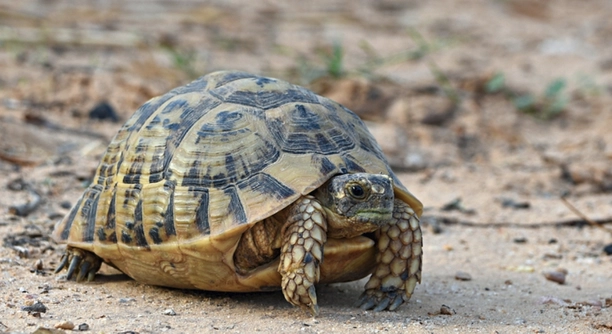
Greek tortoises are beloved pets for many, but like any pet, they require attention to stay healthy. Shell rot is one of the conditions to watch out for. Recognizing the warning signs early is key to preventing further damage.
Shell rot in Greek tortoises occurs when bacteria or fungi infect the shell, causing it to weaken. Key symptoms include changes in the shell’s color, texture, or shape, along with swelling or odor. Early identification and treatment are vital.
Understanding these signs can help you act quickly, preventing your tortoise from further harm. By paying attention to your tortoise’s shell, you can ensure its continued health and well-being.
Early Signs of Shell Rot in Greek Tortoises
One of the first signs of shell rot is discoloration. A healthy Greek tortoise’s shell should appear uniform in color. If you notice any dark patches, light spots, or yellowish hues, these could be indicators of an issue. The shell may appear soft or feel damp to the touch in areas where rot is present. Any unexpected changes in texture should not be overlooked, as they can point to the early stages of shell rot.
Another sign to watch for is a change in behavior. Tortoises with shell rot may become more lethargic, spend less time eating, and avoid basking in their usual spots. These symptoms indicate that the tortoise isn’t feeling well and could be struggling with the infection.
If these early warning signs are spotted, immediate attention is necessary to prevent the infection from spreading. At this stage, simple treatment methods such as improving the habitat and cleaning the shell may be enough.
The Role of Proper Habitat Care
A clean and dry environment is essential for the health of your Greek tortoise. Proper temperature and humidity levels can reduce the likelihood of shell rot developing. Keeping the living space free of excess moisture will help prevent bacterial and fungal growth on the shell.
Regular cleaning and maintenance of their enclosure are crucial. It ensures that any waste or wet areas that could contribute to shell rot are promptly dealt with. Without a well-maintained habitat, the chances of infections like shell rot increase significantly. Taking these simple precautions can make all the difference in your tortoise’s health.
When cleaning your tortoise’s shell, always use gentle, non-abrasive materials. Over-scrubbing can cause damage, making the situation worse. Be mindful of how you handle their shell during this process to avoid causing any unnecessary harm.
The Importance of Drying After Bathing
Bathing your Greek tortoise is a great way to keep it hydrated, but it’s important to dry it off properly afterward. If left damp, moisture can sit on the shell and contribute to bacterial growth. Always use a soft towel to gently pat your tortoise dry after each bath.
Leaving your tortoise damp for too long can lead to soft spots on its shell, creating an ideal environment for bacteria to grow. To avoid this, ensure that the shell and skin are completely dry before returning it to its enclosure. Regular, careful drying is a simple yet crucial step in preventing shell rot.
The shell’s exposure to moisture increases its susceptibility to infections, especially in high-humidity environments. Be mindful of the conditions in your tortoise’s habitat to prevent this risk. A warm and dry setting, combined with proper drying after baths, goes a long way in maintaining your tortoise’s health.
Monitoring for Odor and Discharge
Foul smells are often the most noticeable sign of a serious problem. If you detect any unpleasant odor coming from your tortoise’s shell, it could indicate that rot is already setting in. Discharge, such as pus or other fluids, can also be a sign of infection.
If discharge is present, it’s a clear signal that the infection has spread beyond the surface of the shell. At this point, immediate veterinary intervention is necessary to prevent further damage. The presence of discharge is usually a sign that the infection is deepening, requiring treatment like antibiotics or antifungal medications to prevent permanent shell damage.
Without prompt treatment, the infection could worsen, potentially leading to the loss of shell integrity. This can result in permanent harm to your tortoise, so addressing any odor or discharge is a priority. Pay attention to these symptoms to protect your tortoise’s shell from further harm.
Swelling Around the Shell
Swelling around the edges of your tortoise’s shell is a common sign of infection. If the area feels raised or puffy, it could indicate that bacteria or fungi have spread under the shell. Swelling can also cause discomfort and mobility issues for your tortoise.
When swelling occurs, it’s important to closely monitor for additional symptoms like discharge or a change in behavior. Swelling could be a result of fluid buildup due to the infection. If left untreated, this can cause more serious issues that affect your tortoise’s overall health and shell structure.
Prompt attention and appropriate treatment are needed to address the swelling and prevent further complications.
Shell Softness and Fragility
The shell should feel firm and solid, but if it becomes soft or fragile, it’s a warning sign of shell rot. A soft shell may indicate that the protective outer layer is breaking down. This makes the tortoise vulnerable to deeper infections.
If the shell begins to soften or feel spongy, the infection has likely progressed. It’s important to immediately address the cause of the softening by consulting a vet for the right course of action. At this stage, the shell may require professional cleaning and antifungal treatments to restore its condition.
Without intervention, the soft spots may worsen, potentially leading to irreversible damage. Regular checks on the shell’s firmness can help detect this issue early.
Impact of Diet on Shell Health
What your tortoise eats can affect the health of its shell. A diet lacking in essential nutrients may weaken the shell, making it more prone to rot. Calcium and vitamin D3 are particularly important for shell maintenance.
A balanced diet rich in leafy greens, fruits, and vegetables is crucial to maintaining shell strength. Incorporating foods like dandelion greens, kale, and collard greens will help provide the necessary vitamins and minerals. Also, offering a calcium supplement can help your tortoise grow a strong and healthy shell.
Shell health isn’t just about the outside—it’s about what goes on inside, too.
FAQ
What are the main causes of shell rot in Greek tortoises?
Shell rot is caused by bacterial or fungal infections, often due to excessive moisture or an unhygienic environment. Poor habitat conditions, such as high humidity, dirty bedding, or wet environments, create the perfect breeding ground for these harmful microorganisms. If your tortoise’s shell remains damp or unclean for too long, it becomes more susceptible to infections. Overcrowded or dirty enclosures should be avoided to minimize the risk.
How can I prevent shell rot in my Greek tortoise?
To prevent shell rot, ensure that your tortoise has a clean, dry habitat with proper ventilation and humidity levels. Avoid leaving the tortoise in a damp enclosure for extended periods, especially if it has just bathed. Keep the shell clean and dry, and regularly disinfect the enclosure to reduce the risk of bacterial or fungal buildup. Proper diet and nutrition are also key to ensuring the tortoise’s shell stays strong and resistant to infection.
Can shell rot heal on its own?
Shell rot typically doesn’t heal on its own without proper treatment. If left untreated, the infection will worsen, causing permanent damage to the shell and potentially affecting the tortoise’s health. Immediate attention from a veterinarian is necessary to stop the spread of the infection. They may clean the shell, prescribe antibiotics or antifungal treatments, and advise on how to adjust the tortoise’s environment for healing.
How can I tell if my tortoise’s shell is rotting?
Signs of shell rot include discoloration, softness, swelling, foul odor, or discharge. If you notice dark or yellow patches, soft spots, or changes in texture, it’s a sign that something isn’t right. An unpleasant smell or discharge from the shell is a more serious indicator that the infection is progressing. These symptoms require immediate attention from a veterinarian.
What should I do if I notice swelling or softness in my tortoise’s shell?
Swelling or softness in the shell should be addressed as soon as possible. These are clear indicators of infection, and delaying treatment can lead to further complications. Take your tortoise to a vet for an examination, as it may require professional cleaning and possibly antibiotics or antifungal medications. The vet may also advise you on how to improve the habitat and diet to prevent further issues.
How important is the tortoise’s diet for shell health?
A healthy diet is crucial to maintaining a strong shell. Tortoises need calcium, vitamin D3, and other nutrients to grow and maintain their shells. A lack of calcium or improper feeding can weaken the shell, making it more prone to rot. Incorporating leafy greens such as kale, dandelion greens, and collard greens will provide the essential nutrients. Offering a calcium supplement may also help if your tortoise’s diet doesn’t meet all its nutritional needs.
Is shell rot contagious to other tortoises?
Shell rot is not contagious in the traditional sense but can spread if tortoises share the same habitat and are exposed to the same unsanitary conditions. If one tortoise in an enclosure is suffering from shell rot, it’s important to isolate it from others and clean the enclosure thoroughly to prevent the infection from affecting other animals. Taking measures to maintain a clean, dry habitat for all tortoises is essential in avoiding the spread of infections.
Can I treat shell rot at home?
While some minor cases of shell rot can be addressed at home by improving the environment and cleaning the shell, it’s always best to consult a veterinarian. A professional will provide proper treatment, including cleaning the affected areas, prescribing medications, and advising on habitat changes. If the rot has progressed significantly, only a vet can provide the appropriate care and ensure recovery.
How do I clean my tortoise’s shell if it has rot?
If you notice minor signs of shell rot, you can gently clean the affected areas with a soft toothbrush or cloth. Use warm water and a mild, non-abrasive disinfectant. After cleaning, dry the shell completely with a towel to avoid leaving any moisture behind. However, if the rot is more severe, it’s essential to seek veterinary help. A professional will properly clean the shell, possibly removing damaged tissue and applying topical treatments.
How long does it take for a tortoise to recover from shell rot?
Recovery time depends on the severity of the shell rot and how quickly it’s addressed. In mild cases, it may take a few weeks to heal with proper treatment. However, if the infection is more severe, the healing process can take months. Follow your vet’s instructions closely and monitor your tortoise’s condition to ensure the infection is healing correctly. In some cases, the tortoise may need follow-up treatments to fully recover.
What are the risks if shell rot is left untreated?
If left untreated, shell rot can cause permanent damage to the tortoise’s shell, potentially affecting its internal organs. The infection can spread deeper into the shell, weakening it and making the tortoise vulnerable to other health problems. In severe cases, untreated shell rot can lead to the loss of part of the shell or even death. Early detection and treatment are critical to preventing these risks.
Can I use over-the-counter products to treat shell rot?
While some over-the-counter products claim to treat shell rot, it’s always safer to consult a veterinarian. Many products may not be effective and could cause further harm if used incorrectly. A veterinarian can provide the best treatment plan, ensuring that your tortoise’s shell heals properly without causing additional damage.
Final Thoughts
Shell rot in Greek tortoises is a serious issue that can affect their overall health if not addressed promptly. The infection is usually caused by poor living conditions, such as excessive moisture or an unclean environment. Recognizing the signs early is crucial for preventing further damage. The most common symptoms include soft or swollen areas on the shell, discoloration, and a foul odor. If these signs appear, immediate action is needed to avoid long-term health problems.
A healthy habitat is essential for your tortoise to thrive and prevent issues like shell rot. Maintaining proper humidity levels, ensuring clean bedding, and providing a dry environment can reduce the risk of infection. Regular cleaning and disinfecting of the enclosure also help to prevent bacteria or fungi from spreading. A nutritious diet that includes the right balance of vitamins and minerals will also keep your tortoise’s shell strong and healthy. Calcium is particularly important, as a deficiency can weaken the shell, making it more susceptible to infection.
If you suspect your tortoise has shell rot, it’s important to consult a veterinarian as soon as possible. Although some minor cases may be manageable at home, more severe infections require professional treatment. A vet can offer the appropriate care, such as cleaning the shell and prescribing medication, to ensure the tortoise makes a full recovery. Following the vet’s advice for habitat changes and dietary adjustments is key to preventing further health issues. By staying proactive and maintaining proper care, your Greek tortoise can enjoy a long, healthy life.

Hello,
If you enjoy the content that we create, please consider saying a "Thank You!" by leaving a tip.
Every little bit helps us continue crafting quality advice that supports the health, happiness, and well-being of pets around the world, for pets of all shapes, sizes, and species.
We really appreciate the kindness and support that you show us!