
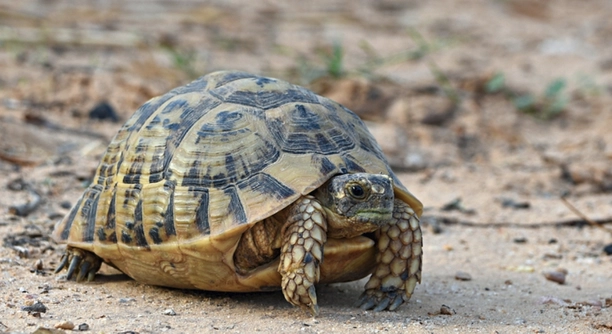
Greek tortoises are curious creatures, often exploring their environment. However, you may notice your tortoise flipping over more than expected. This common behavior can be frustrating for both you and your pet.
There are several reasons why your Greek tortoise may keep flipping over, including issues with its enclosure, health problems, or even natural behaviors. Understanding these causes can help you address the problem and ensure your tortoise’s safety and well-being.
Learning the causes behind this behavior will help you manage your tortoise’s environment and health. This way, you can enjoy watching your pet thrive without constant concern.
Poor Enclosure Setup
One reason your Greek tortoise might be flipping over is an unsuitable enclosure. Tortoises need enough space to move freely. A cramped habitat with few hiding spots or obstacles can make it harder for them to find stable footing. If the surface is too smooth or uneven, it could increase the chances of your tortoise rolling over.
The flooring of the enclosure is another factor. A slippery or slick surface may not give your tortoise the grip it needs to stay upright. Sand, soil, or gravel are generally better for providing stability. Avoid using materials like ceramic tiles or plastic, which can cause your tortoise to slip.
Additionally, check the temperature and humidity levels. If your tortoise is too cold or overheated, it might be more sluggish and have trouble righting itself when it flips. Make sure the enclosure is well-equipped for temperature regulation, such as heating lamps and cooling areas.
Health Problems
If your tortoise’s flipping behavior isn’t related to its enclosure, health issues might be the reason. A common cause could be metabolic bone disease, which weakens bones and causes balance problems. This condition can make it harder for your tortoise to stay upright and maneuver safely.
It’s important to provide a proper diet, including calcium and vitamin D3, to prevent bone-related issues. If you suspect a health problem, a visit to the vet is a good idea. The vet may recommend specific treatments or changes in diet to help your tortoise regain strength and stability.
Tortoises can also suffer from respiratory infections or parasites, which may affect their movement. If flipping is accompanied by lethargy, abnormal behavior, or lack of appetite, these health problems should be addressed promptly. Keeping track of your tortoise’s health habits will help you spot potential issues early.
Natural Behavior
Tortoises, including Greeks, may flip over as part of their natural exploration process. They often attempt to turn objects, climb over rocks, or explore burrows. If they become too eager or lose their balance, flipping over becomes more likely. It’s simply a part of how they interact with their surroundings.
This behavior is common, especially if your tortoise is young or curious. They may overestimate their ability to maneuver objects or get too excited while exploring their space. It’s important to observe how often it happens and if the tortoise seems able to right itself.
However, if flipping becomes frequent or your tortoise struggles to recover, it may indicate underlying health or environmental issues that need addressing. Adjustments to the enclosure or observing how your tortoise moves can help you assess if this behavior is normal or a sign of concern.
Overfeeding
Overfeeding is another factor contributing to flipping behavior. If your Greek tortoise is overweight, it may struggle with balance and mobility. Extra weight can cause it to tip over more easily, especially on uneven ground or slippery surfaces. You should aim for a balanced diet and avoid excessive feeding of high-calcium foods, which can lead to obesity.
Overfeeding doesn’t only affect your tortoise’s mobility but can also lead to other health complications like organ stress. Offering the right portion sizes based on your tortoise’s age and activity level can prevent weight gain. Ensure it has the right mix of vegetables, grasses, and protein to stay healthy.
By managing food portions and monitoring your tortoise’s physical activity, you can help maintain its ideal weight. Keep in mind that regular, controlled feeding routines contribute to a healthier, more balanced tortoise, which will likely reduce the likelihood of flipping over.
Stress
Stress can cause your tortoise to behave unusually, including flipping over. Changes in its environment, like a new pet or loud noises, can be stressful. Tortoises are sensitive to stress and may react by attempting to escape or move erratically, leading to flipping.
If your tortoise is consistently flipping over, it could be a sign that it feels threatened or uncomfortable. Monitor any changes around its enclosure that might cause anxiety. Provide a calm, quiet environment with familiar objects to help reduce stress. Creating a routine will also make your tortoise feel more secure.
Injury
An injury can result in your tortoise flipping over more than usual. If it has hurt its legs, shell, or neck, it might struggle to move properly. It may tip over unintentionally due to the pain or discomfort it’s feeling. Check for any signs of injury or swelling.
A vet visit is necessary if you suspect an injury. Pain or reduced mobility can worsen if not addressed. Treatment may involve medication or a recovery period in a comfortable, low-stress environment. It’s important to monitor your tortoise’s movement carefully during recovery.
Poor Shell Health
The health of your tortoise’s shell is crucial to its stability. A weakened or damaged shell can cause issues with balance, making flipping over more likely. Over time, neglecting proper care can lead to shell rot or injury, both of which contribute to the problem.
Regular shell maintenance and proper hydration are key to preventing shell issues. Always check for cracks, soft spots, or any discoloration. If you notice anything unusual, it’s important to take your tortoise to the vet for an examination. Treating shell issues early helps avoid long-term health problems.
FAQ
Why does my Greek tortoise flip over so often?
Your Greek tortoise may be flipping over frequently due to a variety of reasons such as an unsuitable enclosure, health problems, or natural behavior. Sometimes, a poor enclosure setup with slippery floors or too little space can cause your tortoise to tip over. Other factors include overfeeding, stress, or even injury. Monitoring your tortoise’s behavior and the conditions of its environment is essential to determining the cause. If this behavior continues or worsens, a visit to the vet might help rule out health concerns.
What are the signs of a stressed Greek tortoise?
A stressed Greek tortoise may display erratic behavior such as excessive movement, hiding more often than usual, or flipping over. It may also show a lack of interest in food or water, or be unusually aggressive. Stress can be caused by factors such as environmental changes, loud noises, or the presence of other pets. Try to minimize stressors in the environment and ensure it has a calm, familiar space. If stress persists, consider consulting a vet for advice on helping your tortoise relax.
How do I know if my Greek tortoise is overweight?
To determine if your Greek tortoise is overweight, check its overall shape. A healthy tortoise should have a smooth, rounded shell and well-proportioned limbs. If the shell appears bloated, or if the tortoise’s limbs look out of proportion, it may be overweight. You can also observe its movement. A tortoise that is slow or struggles to move could be carrying excess weight. Keeping your tortoise on a balanced diet with appropriate portion sizes can help avoid obesity.
Can a Greek tortoise injure itself when it flips over?
Yes, a Greek tortoise can injure itself if it flips over. While it may be able to right itself occasionally, repeated flipping can lead to injuries, especially if the tortoise is unable to recover quickly. Injuries can range from shell damage to internal issues caused by awkward falls. Always check your tortoise for signs of injury, such as swelling, cuts, or changes in movement. If you notice anything unusual, it’s best to take it to the vet for a proper diagnosis.
How can I prevent my Greek tortoise from flipping over?
To reduce the risk of your tortoise flipping over, create a safe and stable environment. Ensure the floor of the enclosure is textured and non-slippery, like sand, soil, or a mix of both. Avoid materials that cause slipping, such as plastic or ceramic tiles. Also, ensure there are no large obstacles or uneven surfaces that could cause your tortoise to lose balance. Regularly check on your tortoise and make sure it has a space that allows it to move freely and safely.
Is it normal for a Greek tortoise to flip over once in a while?
Flipping over occasionally is relatively normal, especially if your tortoise is actively exploring or climbing. However, if it happens too frequently or your tortoise struggles to recover, it could indicate a more serious issue. Make sure to monitor its behavior and adjust the enclosure or environment as needed. If the flipping continues or seems to be causing distress, consider consulting a vet to rule out any health problems.
Should I intervene if my Greek tortoise flips over?
If your Greek tortoise flips over, it’s important to intervene quickly to prevent it from being in an unsafe position for too long. Gently flip it back onto its feet. If your tortoise struggles to get up on its own, you may need to provide a more stable environment. However, do not over-handle or stress your tortoise unnecessarily. Frequent flipping may require you to adjust its habitat or seek advice from a vet if the behavior becomes concerning.
How often should I check my Greek tortoise for health problems?
It’s good practice to check your Greek tortoise regularly for any signs of health issues. Once a week, check for any signs of injury or illness, such as swelling, abnormal movements, or changes in behavior. Pay close attention to the condition of its shell and overall appearance. If you notice anything unusual or if your tortoise starts flipping over frequently, schedule a vet visit. Regular health checks will ensure that any potential issues are caught early.
Can I use any special treatments if my Greek tortoise has a damaged shell?
If your Greek tortoise has a damaged shell, it’s important to treat it right away. Depending on the severity of the damage, you may need to apply a non-toxic shell repair kit to seal any cracks. However, it’s essential to consult a vet before trying any treatments to ensure the correct course of action. In more serious cases, your vet may recommend a bandage or other methods to protect the shell while it heals. Proper hydration and a well-balanced diet also play a role in shell recovery.
Can my Greek tortoise recover from metabolic bone disease?
Metabolic bone disease (MBD) can be a serious condition for tortoises. If caught early, treatment is possible and can greatly improve the chances of recovery. The main treatment involves providing calcium supplements and ensuring your tortoise has adequate exposure to UVB light. Adjusting its diet to include calcium-rich foods is also important. If you suspect MBD, consult a vet for proper diagnosis and a treatment plan. With the right care, many tortoises can recover and regain normal movement and activity levels.
Final Thoughts
Understanding why your Greek tortoise keeps flipping over can be a bit tricky, but there are several common causes to consider. From improper enclosure setups to health issues or natural behavior, pinpointing the problem is key. Observing your tortoise closely, checking its environment, and monitoring its behavior will help you identify the root cause. A few simple adjustments to its habitat, diet, or care routine can often make a big difference in preventing the issue from happening again.
If you notice frequent flipping or signs of distress, it’s always best to act quickly. Flipping can lead to injury, especially if the tortoise struggles to right itself or if it’s unable to recover quickly. Ensuring a stable, non-slippery surface in its enclosure can reduce the chances of flipping. It’s also important to regularly check your tortoise for signs of injury, stress, or other health problems. By addressing these concerns early, you can help your tortoise live a happy and healthy life.
In any case, if the flipping continues or you’re unsure of the cause, consulting a vet is the best option. A vet will be able to assess your tortoise’s overall health and give you specific advice tailored to your pet’s needs. The good news is that most of the issues causing frequent flipping are treatable with proper care and attention. With the right environment, routine, and care, your Greek tortoise will thrive and live a long, healthy life free from the troubles of flipping.

Hello,
If you enjoy the content that we create, please consider saying a "Thank You!" by leaving a tip.
Every little bit helps us continue crafting quality advice that supports the health, happiness, and well-being of pets around the world, for pets of all shapes, sizes, and species.
We really appreciate the kindness and support that you show us!