
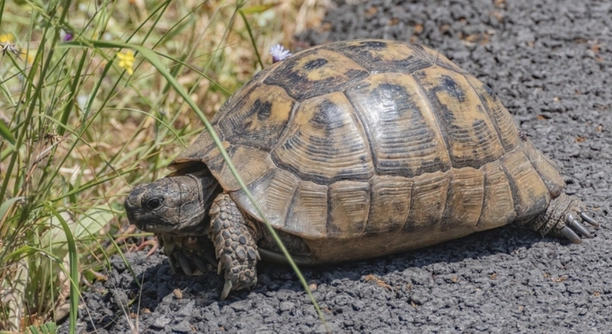
A Greek tortoise entering brumation is a natural process where the tortoise enters a state of dormancy during colder months. Recognizing the signs of brumation can help ensure the proper care for your pet during this period.
Brumation in Greek tortoises is marked by a decrease in activity, appetite, and metabolism. It typically happens when temperatures drop, and the tortoise seeks a safe, cool space to rest. Careful observation can help identify this state.
Recognizing the signs of brumation will help you provide the proper environment for your tortoise’s care. Understanding these signs can also ensure that the process is healthy and safe.
Signs of Brumation in Greek Tortoises
When a Greek tortoise enters brumation, there are several noticeable changes in behavior. One of the first signs is a drastic reduction in activity. These tortoises will often stop roaming and spend most of their time in one spot, typically in a cool, hidden area. Another noticeable change is a decrease in appetite. They may refuse food for days or even weeks at a time, and this is normal as their metabolism slows down. In addition to eating less, their drinking habits also decrease. They may appear less responsive to stimuli and more lethargic. You may also notice a slight drop in body temperature, which is expected during this period.
Though it may seem alarming, these signs are a natural part of brumation. It’s important not to force feed or disturb them during this phase. Allowing them to rest and conserve energy is crucial for their well-being. Providing the proper temperature conditions will ensure they remain comfortable during this time.
Keep in mind that brumation is not hibernation. The tortoise does not completely shut down. They are still alive, but their metabolic processes slow dramatically. They can go for extended periods without eating, but hydration remains important. If you’re unsure about their health during this time, it’s best to consult a veterinarian for advice.
How to Prepare for Brumation
Preparing for brumation involves adjusting the environment. Start by lowering the temperature in their habitat gradually. A cool, dark place is ideal for their rest, away from direct sunlight or excessive heat. Ensure that their enclosure is clean, as they won’t be moving much during brumation.
The habitat should be dry but not overly dry, and humidity should be kept at moderate levels to prevent dehydration. Make sure they have access to water, as this will help them stay hydrated during the period of rest. Avoid offering food or attempting to feed them during this time.
How Long Does Brumation Last?
Brumation in Greek tortoises typically lasts anywhere from a few weeks to a few months. This depends on environmental conditions and the individual tortoise’s health. The cooler the temperature, the longer the brumation period tends to be. It’s important to monitor their behavior and adjust the habitat temperature if needed.
A tortoise in brumation may stay inactive for weeks. They may not eat or drink during this time. However, they will still need a safe environment with proper temperature and humidity levels. It’s important to allow them to rest undisturbed. Ensure their space remains quiet and calm during this phase.
Sometimes, Greek tortoises can emerge from brumation earlier than expected, especially if environmental conditions change. If they wake up but still exhibit signs of low activity, they may go back into brumation until conditions stabilize. Patience and careful observation are key to ensuring they emerge healthy when ready.
Monitoring Your Tortoise During Brumation
During brumation, it’s essential to monitor your tortoise’s health closely. While they may not move much, checking on them periodically ensures they remain safe and secure. Observe if they are still hydrated and make sure their habitat is stable.
If your tortoise shows any signs of distress, such as abnormal breathing or swelling, seek veterinary advice. These could indicate health issues unrelated to brumation. A sudden temperature change in their environment or an improper diet before brumation can also contribute to complications. Keep the habitat at a steady, cool temperature to avoid such problems.
For the most part, the tortoise will remain still, but monitoring their condition occasionally is important. Checking on them doesn’t mean waking them up prematurely, but making sure their environment is conducive to a healthy brumation cycle.
What to Do if Your Tortoise Wakes Early
If your tortoise emerges from brumation early, don’t panic. This can happen, especially if there’s a sudden shift in temperature. Allow your tortoise to slowly adjust back to its usual routine. Offer water and observe their behavior.
A slow reintroduction to food is important. Start by offering small, easily digestible meals. Avoid overwhelming them with large portions, as their digestive system will still be slow. Monitor them closely for any signs of distress. It’s essential not to rush the process as they adjust to being active again after a period of dormancy.
The Importance of Temperature Control
Temperature control plays a crucial role in the brumation process. Too much heat can disrupt the tortoise’s natural cycle and cause stress. Too little heat can prevent brumation from occurring or cause health issues. The ideal temperature range for brumation is between 40-50°F (4-10°C).
Maintaining this temperature ensures that the tortoise enters and stays in a state of dormancy. A consistent, cooler environment is essential for proper brumation. Avoid fluctuations that could lead to early waking or prolonged inactivity. Using a reliable thermometer and monitoring the habitat will help maintain stability.
Avoiding Common Mistakes
The most common mistake is disturbing a tortoise in brumation. They should not be handled or moved unless absolutely necessary. Avoid feeding them unless they wake up and are actively seeking food. This can disrupt their metabolic cycle. Keep the environment quiet and calm.
FAQ
How can I tell if my Greek tortoise is entering brumation?
When your Greek tortoise is preparing for brumation, it will exhibit several key signs. Activity levels drop significantly, and your tortoise may become less responsive to its environment. They may stop eating and drinking, seeking out a cool, dark place to settle. This is a normal part of the process, but it’s important to ensure that the habitat conditions are conducive to brumation. Keep the temperature cool and stable to help guide this natural cycle.
How long does brumation last?
Brumation usually lasts from a few weeks to a few months. The duration depends on various factors, including the temperature and the health of the tortoise. It typically lasts longer if the habitat is cooler. Some tortoises may enter a lighter form of dormancy and wake up periodically. However, it’s essential not to disturb them unless you notice signs of illness or distress. If your tortoise emerges early, it could be due to temperature changes or environmental factors.
Should I feed my Greek tortoise during brumation?
It is best not to feed your tortoise during brumation. When they enter this state, their metabolism slows down, and they no longer need food. Offering food can disrupt their natural cycle. If they are still not eating after several weeks, there’s no need to worry, as this is a normal part of the process. Keep their water accessible but avoid trying to feed them.
What is the ideal temperature for brumation?
The ideal temperature for Greek tortoise brumation is between 40-50°F (4-10°C). This range encourages the tortoise’s metabolism to slow down without causing harm. Make sure the temperature remains stable throughout the period. Sudden changes in temperature can lead to issues such as premature waking or health complications. A consistent, cool environment is key to ensuring a healthy brumation period.
Can I handle my tortoise during brumation?
It is best to avoid handling your tortoise during brumation. Disturbing them can disrupt their natural dormancy process. If you must move them for health checks or to ensure proper conditions, do so with minimal disturbance. Handling them unnecessarily can stress them out and interfere with their brumation cycle. Allow your tortoise to rest in peace until they naturally wake up.
How do I prepare my Greek tortoise for brumation?
To prepare your tortoise for brumation, gradually reduce the temperature of their environment to the ideal range of 40-50°F. You should also reduce their food intake over a period of time before brumation. Clean their enclosure thoroughly and ensure it’s safe for them to rest. A cool, dark, and quiet area is essential for brumation. Make sure the space has proper humidity levels to prevent dehydration.
What should I do if my tortoise wakes up early from brumation?
If your tortoise wakes up early, it’s important to monitor their behavior closely. Offer them water, and once they start moving around, you can offer small meals. Don’t force them to eat, as their digestive system is still adjusting. Slowly reintroduce food and make sure their habitat temperature is stable. If there are any signs of health issues, consult a veterinarian.
Can brumation harm my Greek tortoise?
Brumation is a natural and healthy process for Greek tortoises if they are in good health and the environment is properly prepared. However, if the temperature is too high or too low, or if they are not properly hydrated, brumation can cause stress or health issues. Always ensure that they have access to water and that the environment is stable. Regular health checks before brumation can help prevent potential issues.
Do all Greek tortoises brumate?
Not all Greek tortoises brumate. While it is a natural behavior for most tortoises in the wild, some pet tortoises may not enter brumation, especially if they are kept in warmer climates or if their habitat conditions don’t trigger the brumation cycle. It’s also possible that a tortoise may enter a lighter state of dormancy without full brumation. Each tortoise is unique, and some may skip this period depending on their environment and individual needs.
Can I wake up my tortoise from brumation?
You should not wake up your tortoise from brumation unless it is necessary for their health or safety. Disturbing their dormancy can interfere with the process and cause stress. If your tortoise has been in brumation for an extended period and you notice signs of dehydration or illness, it’s best to consult a veterinarian. Otherwise, let your tortoise wake naturally when they are ready.
What should I do if my tortoise refuses to eat after brumation?
If your tortoise refuses to eat after brumation, give them time to adjust. Their appetite may take a few days to return. Start by offering small, fresh food items, such as leafy greens or vegetables. If they still refuse food after a few days, check their environment to ensure the temperature is appropriate. If issues persist, it’s important to seek advice from a veterinarian to rule out any health concerns.
Can I let my tortoise brumate outside?
If your tortoise lives in a climate where temperatures drop, it’s best to bring them indoors during brumation. Brumating outside can expose them to extreme cold or predators. If you want to let them brumate outside, ensure that the outdoor environment has stable, cool temperatures, and is free from risks. However, most owners opt to provide a controlled indoor environment to ensure their tortoise’s safety during this time.
Final Thoughts
Brumation is a natural process for Greek tortoises and an important part of their life cycle. It’s crucial to understand the signs and behaviors that indicate your tortoise is entering this phase. While brumation may seem concerning at first, it is a necessary period of rest that helps maintain their health. The key to supporting your tortoise through brumation is ensuring the right environment—cool temperatures, a quiet space, and minimal disturbance. This allows them to rest without unnecessary stress, helping them stay healthy in the long term.
It’s important not to rush or interfere too much during this time. Handling your tortoise can disrupt the natural rhythm of brumation, causing stress or even health issues. Similarly, feeding them during this period can upset their metabolism. As long as the temperature is kept consistent and you avoid disturbing them, your tortoise will likely come out of brumation when they are ready. Remember, each tortoise is unique. Some may brumate for longer periods than others, and some may not brumate at all. Understanding their individual needs can help ensure they’re going through the process safely.
If your tortoise wakes early or seems to be having trouble with brumation, don’t panic. Simply adjust the environment and allow them to re-enter their normal routine slowly. Gradually reintroduce food, ensure they are hydrated, and monitor their behavior. If anything seems out of the ordinary, consulting a veterinarian is always a good step. The better you understand brumation and how it affects your tortoise, the easier it will be to provide the right care. Patience and attention to detail are all that’s needed to help your Greek tortoise through this natural process.

Hello,
If you enjoy the content that we create, please consider saying a "Thank You!" by leaving a tip.
Every little bit helps us continue crafting quality advice that supports the health, happiness, and well-being of pets around the world, for pets of all shapes, sizes, and species.
We really appreciate the kindness and support that you show us!