
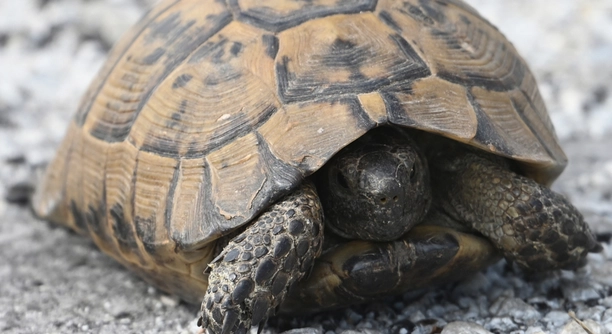
Greek tortoises are unique and beautiful pets, but sometimes their skin can appear flaky. Understanding the reasons behind this can help you ensure they stay healthy and happy.
Flaky skin in Greek tortoises is often caused by dehydration, improper humidity, or shedding issues. Poor environmental conditions can lead to dry, flaky skin, which requires attention to maintain the tortoise’s well-being.
Knowing the causes of flaky skin will guide you through effective ways to treat it and provide your tortoise with a better environment.
Causes of Flaky Skin in Greek Tortoises
There are several factors that may cause your Greek tortoise’s skin to appear flaky. One common reason is dehydration. Greek tortoises need a balanced level of humidity to keep their skin moisturized. If the air in their environment is too dry, their skin can begin to flake. Shedding is another reason why their skin may appear flaky, especially during warmer months when they naturally shed their old skin. Additionally, inadequate diet can contribute to skin problems, as poor nutrition may affect their skin’s health. Sometimes, an underlying health issue like a fungal or bacterial infection can also cause skin issues, which require professional treatment.
Dehydration is a leading factor in flaky skin. Make sure your tortoise has access to fresh water and a humid environment to prevent this from happening.
If the skin condition worsens despite improving the humidity and water levels, a vet visit might be necessary to rule out infections or other health concerns that could be affecting your tortoise’s skin.
How to Treat Flaky Skin
Treatment depends on the root cause of the flaky skin. If dehydration is the issue, increasing water intake and maintaining proper humidity in the tortoise’s enclosure should help. Adding a shallow water dish that they can drink from and soak in can be beneficial. Use a humidity monitor to ensure levels are optimal, as Greek tortoises thrive in environments with humidity levels between 40% and 60%.
In cases where diet is the cause, ensure your tortoise has access to a varied and balanced diet rich in fiber, vitamins, and minerals. Provide leafy greens, vegetables, and occasional fruit, making sure they are fresh and free from pesticides. You can also supplement their diet with calcium and vitamin D3, which help maintain healthy skin. Avoid feeding your tortoise too much protein, as this can cause imbalances in their health.
If the flaky skin continues despite these changes, seek professional help. The vet may recommend topical treatments or further tests to identify if there’s an underlying infection.
Maintaining Proper Humidity
Humidity plays a big role in your tortoise’s skin health. Too little moisture in the air can lead to dryness and flakiness. Keeping the humidity levels between 40% and 60% ensures your tortoise’s skin stays hydrated and smooth. Using a humidity monitor helps you track this easily.
To maintain proper humidity, you can mist the enclosure with water or provide a shallow water dish that your tortoise can soak in. Additionally, placing a humidifier near their habitat can help regulate moisture levels. Make sure to avoid excessive humidity, which can lead to other issues like respiratory problems or mold growth. You can also create a moist hide by using damp moss inside their enclosure.
By paying attention to humidity, you can prevent the dry, flaky skin that results from a too-dry environment. Proper humidity ensures your tortoise stays comfortable and healthy, which is vital for their well-being and long-term care.
Hydration and Water Intake
Water is essential for your tortoise’s health. Dehydration can be a major factor in flaky skin, making it crucial to provide enough water. Ensure your tortoise has access to fresh, clean water at all times. It’s also important to offer water at different temperatures to encourage drinking.
A shallow water dish will help your tortoise drink and even soak. Soaking in water helps with hydration and encourages shedding. Make sure the water is shallow enough for them to climb in and out of easily. If your tortoise isn’t drinking enough, you can gently soak them in lukewarm water for 20-30 minutes a few times a week. This can encourage hydration and assist with the shedding process.
Adding a misting routine to the environment can also encourage hydration. By using a spray bottle, you can moisten the enclosure and your tortoise’s skin, helping to prevent dryness and flakes. Regular soaking combined with proper hydration will keep your tortoise in better condition overall.
The Role of Diet in Skin Health
A balanced diet is essential for your tortoise’s skin health. If they aren’t getting the proper nutrients, their skin can become flaky and dry. Make sure they have access to a variety of greens and vegetables. Avoid feeding too much fruit or protein.
Calcium and vitamin D3 supplements are also important for healthy skin and shell growth. You can offer these supplements in the form of powder sprinkled on their food or a calcium block in their enclosure. Without the right nutrients, your tortoise’s skin may struggle to remain smooth and healthy.
Keep their diet well-rounded, and make sure they’re getting all the vitamins and minerals necessary for a strong, healthy shell and skin. This can prevent flakiness and other skin-related issues in the future.
Environmental Temperature
Temperature is a key factor in maintaining your tortoise’s health, including skin. Greek tortoises need a basking area that’s around 90°F (32°C) to stay warm and comfortable. Make sure they have a cooler area as well, where they can retreat to regulate their body temperature.
A steady, comfortable temperature helps support proper digestion and metabolism. It also ensures that the humidity in the habitat stays consistent. Too much heat or too little heat can cause stress and negatively affect their skin, leading to conditions like dehydration and dryness. Proper temperature regulation is vital for their overall health.
Dealing with Infections
If your tortoise’s flaky skin doesn’t improve with proper care, an infection could be the cause. Bacterial or fungal infections can lead to abnormal shedding and skin issues. A vet visit is needed to confirm the diagnosis.
Infected skin may appear discolored, swollen, or have discharge. A vet will likely perform tests to identify the infection and recommend treatments such as topical antifungal or antibacterial creams. If left untreated, infections can worsen, so early treatment is key. Make sure your tortoise’s habitat stays clean to avoid these problems in the future.
FAQ
Why is my Greek tortoise shedding skin?
Shedding is completely natural for Greek tortoises. They shed their skin to make way for new growth, especially during warmer months when they are more active. If your tortoise’s skin looks flaky, it could simply be a part of this normal process. However, ensure that they are not experiencing any dehydration or environmental stress that could be affecting the shedding process.
How can I tell if my Greek tortoise’s skin is too dry?
If your tortoise’s skin appears flaky or feels rough to the touch, it could be a sign of dryness. Dry skin can also result in cracks or scales that don’t fall off naturally during shedding. If you notice any of these signs, you should check the humidity levels in their enclosure and increase their water intake or soaking routines.
Is it normal for my tortoise to have patches of flaky skin?
It can be normal for your tortoise to have small patches of flaky skin, especially during shedding seasons. However, large or persistent patches may indicate a health issue, such as dehydration or an infection. It’s important to monitor these changes and make adjustments to their care if needed.
How do I increase humidity in my Greek tortoise’s enclosure?
You can increase humidity in your tortoise’s enclosure by misting it with water regularly, using a humidifier, or placing a shallow water dish. You should aim for a humidity level between 40-60%. Be sure not to make the habitat too damp, as excessive moisture can lead to other issues, like respiratory infections.
Can I treat flaky skin on my tortoise with oil or lotions?
Using oils or lotions on your tortoise’s skin is generally not recommended. These products can cause more harm than good, as they may block the skin’s natural ability to breathe or lead to further irritation. Instead, focus on maintaining proper humidity, hydration, and nutrition for healthier skin.
How often should I soak my Greek tortoise to prevent flaky skin?
You should soak your Greek tortoise once or twice a week to encourage hydration and shedding. You can also soak them more frequently if their skin appears dry or flaky. Soak them in lukewarm water for 20-30 minutes, ensuring that the water is shallow enough for them to climb in and out easily.
What should I do if my Greek tortoise’s skin starts peeling off in large sheets?
Large sheets of skin peeling off might be a sign of an issue beyond natural shedding, such as an infection or severe dehydration. If the peeling is excessive or occurs without normal shedding patterns, consult with a vet to rule out any underlying conditions. In some cases, they may require special treatment or medication.
Can a poor diet cause flaky skin in my Greek tortoise?
Yes, a poor diet can lead to flaky skin. If your tortoise isn’t getting the necessary nutrients, such as calcium, vitamin D3, or fiber, their skin might become dry and unhealthy. Ensure their diet is well-balanced, including a variety of leafy greens, vegetables, and occasional fruit. Calcium supplements can also be beneficial for skin and shell health.
How can I tell if my tortoise has a skin infection?
Signs of a skin infection include redness, swelling, unusual discharge, or skin that looks discolored or oozing. If you notice any of these symptoms, it’s important to take your tortoise to a vet. A vet can provide the proper diagnosis and treatment, which may involve topical antibiotics or antifungal treatments depending on the type of infection.
What temperature should I keep my Greek tortoise’s enclosure?
Your Greek tortoise needs a basking spot of around 90°F (32°C), with a cooler area in the 70-80°F (21-27°C) range to regulate their body temperature. Proper temperature helps ensure they stay comfortable, and it supports their digestion and overall health. Too high or too low temperatures can affect their skin and behavior negatively.
Is it common for Greek tortoises to have flaky skin in winter?
It is possible for Greek tortoises to have flaky skin during winter months, but this is typically due to a decrease in activity and moisture levels. If you are keeping them in a cooler environment during hibernation, ensure that they stay hydrated before the winter season. Their skin may shed more slowly, but it’s important to monitor their skin and overall health during this time.
Final Thoughts
Flaky skin in Greek tortoises is a common issue, but most of the time, it can be addressed with a few simple changes to their care routine. Dehydration, improper humidity, and a poor diet are some of the main reasons why their skin might become flaky. By ensuring your tortoise has access to enough water, the right humidity, and a balanced diet, you can improve their skin health and overall well-being. Regular soaking can also help with hydration, especially during shedding periods when they may need extra moisture.
It’s also important to understand that while some degree of flakiness can be a natural part of the shedding process, excessive or abnormal shedding could be a sign of something more serious, like an infection. If your tortoise’s skin doesn’t improve after adjusting environmental conditions and diet, or if you notice other concerning symptoms, it’s best to consult a veterinarian. They can help identify any underlying health issues and provide the appropriate treatment.
Maintaining the right environment for your Greek tortoise is key to preventing flaky skin and ensuring their long-term health. Proper temperature, humidity, and hydration are all factors that play a role in keeping your tortoise comfortable and thriving. By staying on top of their care and watching for any changes in their skin, you’ll be able to address problems early and keep your tortoise happy and healthy.

Hello,
If you enjoy the content that we create, please consider saying a "Thank You!" by leaving a tip.
Every little bit helps us continue crafting quality advice that supports the health, happiness, and well-being of pets around the world, for pets of all shapes, sizes, and species.
We really appreciate the kindness and support that you show us!