
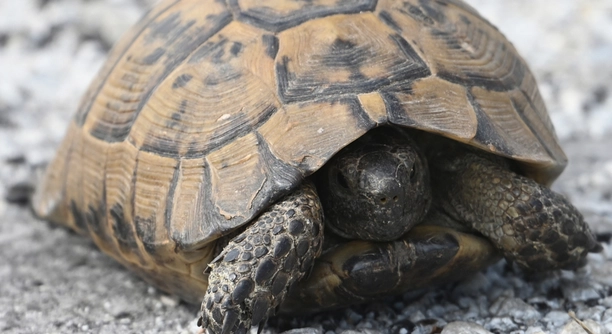
Dehydration is a serious concern for Greek tortoises and can impact their overall health. As a pet owner, it’s important to be aware of the warning signs of dehydration to ensure your tortoise stays healthy.
Greek tortoises are at risk of dehydration if they do not receive enough water or proper humidity. Common signs of dehydration include dry skin, lethargy, sunken eyes, and a lack of appetite. Ensuring proper hydration can prevent long-term health problems.
Recognizing these signs early on can make a significant difference in your tortoise’s well-being and help avoid more serious issues.
Common Causes of Dehydration in Greek Tortoises
Dehydration in Greek tortoises can stem from several factors. A lack of access to fresh water is often the main reason, but it can also be caused by improper environmental conditions. If their habitat is too dry or too hot, they may struggle to stay hydrated. Poor diet choices, particularly those low in moisture, also contribute to dehydration. When the tortoise isn’t eating foods like leafy greens or vegetables with high water content, it can lead to dehydration. Additionally, tortoises that do not get enough humidity in their environment may find it harder to absorb water properly. Lack of regular soaking time also prevents them from staying hydrated. Ensuring their environment is set up correctly and offering them moisture-rich food can help prevent dehydration. Regularly changing their water dish and making sure the humidity levels are ideal will make a noticeable difference in your tortoise’s health.
It’s important to keep a close eye on their diet and environment, ensuring hydration needs are met.
Providing adequate hydration for your tortoise goes beyond just giving them water. It’s about creating the right environment, offering the correct food, and consistently monitoring how they behave. Many pet owners fail to realize that temperature and humidity play a key role. In nature, Greek tortoises are used to warm environments with varied humidity levels. When kept indoors, their tanks should be set up to mimic this. The water dish should be cleaned daily, and some owners even choose to soak their tortoises in lukewarm water to help them hydrate more effectively. If you notice your tortoise isn’t soaking or drinking from their dish, it could be a sign their water is dirty, or they’re simply not feeling well. It’s essential to regularly adjust their habitat conditions to encourage them to drink more water.
Warning Sign 1: Dry Skin
Dry skin is often one of the first signs of dehydration in Greek tortoises. Their skin should appear smooth and moist.
When a tortoise is dehydrated, their skin loses moisture and becomes flaky, dull, or cracked. This lack of hydration can have long-term consequences on their overall health.
Warning Sign 2: Lethargy and Weakness
Lethargy is another sign your Greek tortoise may be dehydrated. If your tortoise is more sluggish than usual or seems weak, dehydration could be the cause.
Tortoises naturally slow down in colder temperatures, but if the weather is warm and they’re still lethargic, dehydration may be to blame. A dehydrated tortoise may spend more time hiding in their shell and less time eating or moving around. When this happens, it’s important to check the humidity levels and ensure they have enough water. Hydration is crucial for maintaining energy and promoting normal activity levels.
If dehydration is left untreated, lethargy can progress to more severe health issues. Tortoises rely on water to stay energized and active. Without proper hydration, their metabolism slows down, which affects their overall health. Make sure to provide fresh water regularly and consider soaking your tortoise to help them regain energy. If the lethargy persists, consult with a vet for further care.
Warning Sign 3: Sunken Eyes
When a tortoise is dehydrated, its eyes may appear sunken or dull. This is a noticeable change in their appearance.
Sunken eyes are a clear sign that a tortoise is struggling with dehydration. Their eyes should be bright and round, but dehydration causes the skin around their eyes to pull in. This can make their eyes look hollow and dull, a sign that their body is lacking water. Keeping an eye on this physical change is important, as dehydration can lead to more serious health problems if not addressed quickly.
Warning Sign 4: Lack of Appetite
A dehydrated tortoise may lose its appetite. If your tortoise isn’t eating as much as usual, dehydration could be the reason.
When a tortoise is dehydrated, it may feel too weak or unwell to eat. The loss of appetite is often accompanied by lethargy and sunken eyes. This can worsen if not addressed quickly.
Warning Sign 5: Thick or Sticky Saliva
If your tortoise’s saliva becomes thick or sticky, dehydration might be causing this change.
Thick saliva is a sign that your tortoise’s body is not producing enough fluids to keep it moist. As dehydration worsens, you may notice that the saliva becomes sticky and difficult to pass. This can make it harder for the tortoise to eat and swallow. The lack of proper hydration affects various bodily functions, leading to this change in saliva consistency. To help prevent this, ensure that your tortoise has access to clean, fresh water at all times.
FAQ
How can I tell if my Greek tortoise is dehydrated?
The most noticeable signs of dehydration in a Greek tortoise include dry skin, sunken eyes, lethargy, and a lack of appetite. These symptoms suggest that your tortoise is not getting enough water. If you notice any of these, it’s essential to adjust their environment and provide fresh water.
What causes dehydration in Greek tortoises?
Dehydration in Greek tortoises can occur due to several factors. Insufficient access to water, an environment that is too dry or hot, and a lack of moisture-rich foods like leafy greens contribute to dehydration. It can also result from poor humidity levels in their habitat.
How often should I hydrate my Greek tortoise?
You should ensure your Greek tortoise always has access to fresh water. Regular soaking, about two to three times a week, can also help keep them hydrated. The water bowl should be cleaned daily to ensure there is no contamination.
Can dehydration be dangerous for a Greek tortoise?
Yes, dehydration can be harmful to a Greek tortoise if not addressed quickly. It can lead to organ failure, difficulty digesting food, and even death. Ensuring your tortoise stays hydrated is critical to their long-term health and well-being.
What is the best way to hydrate my Greek tortoise?
To hydrate your Greek tortoise, provide fresh water daily and soak them in lukewarm water for 20-30 minutes. This encourages them to drink and can help with hydration. You should also ensure their enclosure has proper humidity levels to mimic their natural environment.
What are some signs that my Greek tortoise is severely dehydrated?
In severe cases of dehydration, a tortoise may experience sunken eyes, very dry or cracked skin, extreme lethargy, and loss of appetite. They may also show signs of weakness and difficulty moving. If these signs occur, seek veterinary help immediately.
How do I increase the humidity in my tortoise’s enclosure?
To increase humidity in your tortoise’s enclosure, you can mist the area with water, use a humidifier, or place a shallow dish of water inside. Ensure the habitat is well-ventilated to avoid mold buildup, but maintain a consistent level of moisture in the air.
How can I improve my tortoise’s diet to help with hydration?
Including more moisture-rich foods in your tortoise’s diet can help keep them hydrated. Offer leafy greens, such as kale, collard greens, and dandelion greens. You can also provide cucumbers, bell peppers, and other vegetables with high water content to supplement their hydration.
Is it safe to give my tortoise water via a syringe?
Giving your tortoise water through a syringe can be safe if necessary, but it should be done with caution. Gently offer the syringe with water if your tortoise isn’t drinking on its own. However, this method should not replace regular hydration through a water bowl or soaking.
How can I prevent dehydration in my tortoise?
Prevent dehydration by maintaining an appropriate environment with proper humidity and temperature. Offer fresh water daily and soak your tortoise in warm water regularly. Providing a balanced diet rich in water content will also help prevent dehydration in the long term.
How long can a Greek tortoise survive without water?
A Greek tortoise can survive for a few days to a week without water, depending on environmental conditions and the tortoise’s health. However, prolonged dehydration can cause serious health issues, so it’s important to address hydration as soon as possible to avoid complications.
Should I change my tortoise’s water every day?
Yes, it’s important to change your tortoise’s water daily to ensure it stays clean and free from contaminants. Stale or dirty water can discourage your tortoise from drinking and may lead to other health issues, including infections or bacteria buildup.
Final Thoughts
It’s important to stay vigilant when it comes to your Greek tortoise’s hydration needs. Dehydration can have serious consequences, affecting their health and well-being. By recognizing the signs early, such as sunken eyes, lethargy, and a lack of appetite, you can take immediate steps to address the issue. Ensuring your tortoise has constant access to fresh water, as well as soaking them regularly, can help prevent dehydration. Keeping their habitat humid and providing moisture-rich foods is also crucial for their overall hydration.
Maintaining a proper environment for your tortoise is key. The temperature and humidity levels in their enclosure play a significant role in their hydration. A dry or overly hot environment can lead to dehydration quickly. To avoid this, ensure your tortoise’s enclosure mimics their natural habitat as closely as possible, with appropriate humidity levels and a comfortable temperature. If you notice any changes in your tortoise’s behavior, such as excessive lethargy or dry skin, it may be a sign that the humidity or water intake needs adjusting.
If you find yourself unsure about how to manage your tortoise’s hydration, don’t hesitate to reach out to a veterinarian. A professional can guide you in the right direction, helping to maintain your tortoise’s health. Dehydration is preventable, but it requires consistent care and attention to their environment and diet. With the right steps, your tortoise can stay healthy, active, and hydrated for years to come.

Hello,
If you enjoy the content that we create, please consider saying a "Thank You!" by leaving a tip.
Every little bit helps us continue crafting quality advice that supports the health, happiness, and well-being of pets around the world, for pets of all shapes, sizes, and species.
We really appreciate the kindness and support that you show us!