
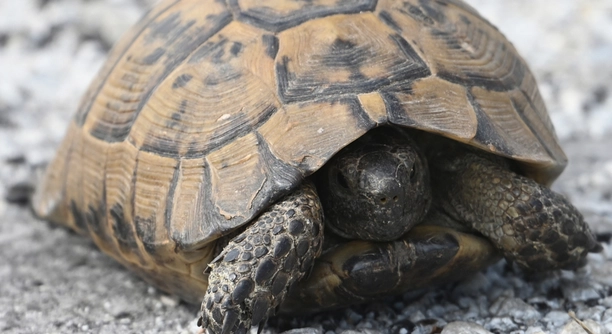
Greek tortoises can experience stress from various factors, such as environmental changes or lack of stimulation. It’s important to recognize when your pet may be feeling overwhelmed. This guide provides seven simple steps to help your tortoise feel more comfortable.
The primary way to reduce stress in Greek tortoises is by ensuring a consistent environment. Maintaining the proper temperature, humidity, and a quiet space can promote relaxation. Additionally, offering a variety of safe food and enrichment will help improve their well-being.
Taking simple actions can prevent ongoing stress and improve your tortoise’s health. This article will show you how to create a peaceful environment for your pet.
1. Create a Stable and Comfortable Environment
A stable environment is key to reducing stress for your Greek tortoise. Start by setting up a proper habitat with the right temperature, humidity, and lighting. These elements help mimic the natural conditions your tortoise would experience in the wild, making them feel more at ease. The ideal temperature range for a Greek tortoise is around 75°F during the day, with a basking spot that can reach up to 90°F. Humidity should be kept between 40-60%. Providing these conditions is essential for their health and relaxation.
Additionally, place your tortoise’s enclosure in a quiet area away from loud noises and distractions. They can become stressed by constant commotion, so minimizing environmental stressors is important. Ensure they have plenty of space to move around, as a cramped environment can contribute to anxiety. You can also add soft bedding, such as coconut coir or hay, to provide a comfortable resting area.
Your tortoise will thrive in a space that closely resembles its natural environment. It’s important to avoid sudden changes to their surroundings as this can cause unnecessary stress.
2. Offer Safe and Varied Food Options
Feeding your Greek tortoise a balanced diet is crucial for reducing stress. Offer a variety of fresh greens, such as dandelion greens, collard greens, and mustard greens. These provide the necessary nutrients while keeping mealtime exciting. Additionally, offering occasional treats like fruits can help stimulate their appetite and prevent boredom. However, it’s important to avoid overfeeding fruits since they are high in sugar.
Along with a variety of greens, ensure your tortoise has access to high-quality hay. Timothy hay is a great choice as it promotes digestion and provides a source of fiber. If your tortoise is reluctant to eat, try offering different textures or slight variations to their meals. They may prefer softer greens or a specific fruit variety.
When feeding, be mindful of their portion sizes to prevent overfeeding, which can lead to obesity and stress. Consistency in feeding times will also help your tortoise feel more secure and comfortable.
3. Provide Regular Exercise and Space to Roam
Regular exercise is essential for a stressed Greek tortoise. Allow your tortoise to explore a safe, enclosed area for exercise. A spacious enclosure helps your tortoise feel less confined and more relaxed. Providing a place where they can roam freely encourages natural behaviors and reduces stress.
Make sure the area is escape-proof and free from hazards. You can also vary the landscape within the space, adding rocks, tunnels, or plants for climbing and hiding. This encourages mental stimulation and provides opportunities for physical exercise. Regular outdoor time, weather permitting, can help relieve stress.
If space is limited, you can set up a small indoor exercise area with safe objects for your tortoise to explore. Avoid crowded or overly stimulating environments, as too many objects or visitors can cause additional stress.
4. Maintain a Clean and Hygienic Habitat
A clean habitat plays a major role in your tortoise’s well-being. Regularly clean their enclosure by removing uneaten food, feces, and any debris. Keeping their environment tidy prevents bacterial growth and unpleasant odors, which can contribute to stress. It’s also important to spot clean the water dish frequently to ensure it remains fresh.
A dirty environment can make your tortoise feel unsafe or uncomfortable, increasing stress. Use a non-toxic disinfectant to clean the enclosure and replace bedding materials as needed. Make sure to clean out any hiding spots to prevent mold or mildew buildup, which can negatively affect their health.
In addition to regular cleaning, checking the temperature and humidity levels frequently ensures the habitat stays consistent and stress-free. A well-maintained environment gives your tortoise a sense of security and promotes relaxation.
5. Offer Hiding Spots for Security
Providing hiding spots helps your Greek tortoise feel safe. A hiding spot can reduce stress by giving them a place to retreat when they feel threatened. Use items like small boxes or logs to create shelters where your tortoise can rest.
These hiding spots should be placed in quieter areas of the enclosure. Make sure they are easy for your tortoise to access. It’s important not to overcrowd the space, as too many hiding spots can make them feel confined. Keep their shelter areas clean and free from debris.
6. Minimize Handling and Interaction
Handling your tortoise too often can lead to stress. Greek tortoises are naturally shy and prefer to stay in their own space. Limit handling to a few minutes when necessary, and always approach gently to avoid startling them.
Over time, you can work on creating a bond with your tortoise by offering food and allowing them to approach you at their own pace. Avoid sudden movements or loud noises during interactions. This will help them feel more comfortable in your presence.
7. Monitor Health and Behavior Closely
A stressed tortoise may display signs of poor health or behavioral changes. Keep an eye out for changes in eating habits, activity levels, or posture. If you notice unusual behavior, it could be a sign of stress or an underlying health issue.
Always ensure that their basic needs—food, water, temperature, and space—are met. If stress persists, consult a veterinarian experienced with reptiles to rule out any medical concerns. Regular checkups are important to keep your tortoise healthy and stress-free.
FAQ
How do I know if my Greek tortoise is stressed?
Signs of stress in Greek tortoises include reduced appetite, lethargy, excessive hiding, and changes in behavior. If your tortoise is more withdrawn than usual or spends excessive time in a corner or hiding, it might be stressed. Also, a stressed tortoise may exhibit less movement or even refuse food.
Watch for changes in their shell, as it can become softer or more discolored under stress. Pay attention to their interactions with the environment, like whether they are avoiding certain areas or objects. Regularly monitoring their behavior will help you spot signs early.
Can stress cause health problems for Greek tortoises?
Yes, stress can lead to various health issues. Long-term stress weakens the immune system, making tortoises more vulnerable to infections. It can also cause digestive problems, such as constipation or loss of appetite, which can result in malnutrition.
Stress can also lead to weight loss or unhealthy weight gain if they overeat out of stress. Prolonged stress may eventually affect their overall growth and development, so it’s crucial to address it promptly. Maintaining a stable environment and routine will help avoid these complications.
What should I do if my tortoise refuses to eat?
If your tortoise refuses to eat, first check if the environment is comfortable. Ensure the temperature and humidity levels are optimal. A sudden change in the environment can cause them to lose their appetite.
Also, consider whether the food you’re offering is appealing. Greek tortoises are herbivores, and they may have preferences for certain greens or vegetables. Offering fresh, varied foods can help. If refusal to eat continues for several days, it could be a sign of stress or health issues. A visit to the vet may be necessary.
How often should I clean my Greek tortoise’s enclosure?
Cleaning your tortoise’s enclosure regularly is essential for its health. Spot clean the enclosure daily by removing leftover food, waste, and soiled bedding. A thorough cleaning should be done every 1-2 weeks, depending on the size of the enclosure and the number of tortoises.
During a deep clean, replace the bedding, disinfect surfaces, and wash food and water dishes. Ensuring a clean habitat will help reduce the chances of bacterial or fungal infections, which could stress your tortoise further.
Can I give my Greek tortoise fruits regularly?
Fruits can be offered as an occasional treat but should not be the main part of your tortoise’s diet. They are high in sugar and can lead to digestive issues or obesity if given too often. Stick to a balanced diet of leafy greens and vegetables.
Offer fruits like strawberries or melon in moderation. Too much fruit can also lead to imbalance in their nutrition, which may result in stress or health problems. It’s important to focus on a primarily herbivorous diet for optimal well-being.
What kind of lighting is best for my tortoise’s habitat?
Greek tortoises need access to both UVA and UVB lighting to thrive. UVA light helps with their activity levels, while UVB light is crucial for calcium absorption and preventing metabolic bone disease. Use a specialized reptile UVB light for around 10-12 hours a day.
Ensure that the lighting is placed at the correct distance from your tortoise to ensure it receives the proper amount of exposure. A basking light should also be included, providing a warm spot for your tortoise to regulate its body temperature.
Is it okay to take my tortoise outside?
Yes, Greek tortoises can enjoy time outdoors, but precautions must be taken. Ensure the outdoor area is safe and free from potential predators or harmful substances. A secure, enclosed space with access to natural sunlight is ideal for outdoor exercise and relaxation.
Monitor the weather carefully as tortoises can easily overheat or become too cold. Avoid taking them out during extreme temperatures. Let them explore the area for short periods, and always supervise to prevent escape or injury.
How much space does my Greek tortoise need?
A Greek tortoise needs plenty of space to roam. The larger the enclosure, the better. For an adult tortoise, a minimum of 4×8 feet is recommended, though larger spaces are preferable. If kept indoors, make sure they have enough room to move around and engage in natural behaviors like digging or climbing.
In outdoor environments, ensure that the space is secure, escape-proof, and contains areas for both sun and shade. Space is essential for your tortoise’s physical and mental health, helping to prevent stress and encourage exercise.
What temperature should I keep my Greek tortoise’s habitat?
Temperature is crucial for your Greek tortoise’s comfort and health. The daytime temperature should range between 75°F to 85°F, with a basking spot reaching up to 90°F. At night, the temperature can drop to around 65°F to 70°F.
Ensure that the basking area is kept warm and has a temperature gradient, allowing your tortoise to move to cooler spots if necessary. Proper temperature control mimics the natural environment of Greek tortoises, helping to reduce stress and support their metabolic functions.
How can I help my Greek tortoise during hibernation?
Hibernation is a natural process for Greek tortoises, but it requires careful monitoring. Before hibernation, ensure your tortoise is healthy and well-fed. Gradually reduce the temperature in their habitat to simulate winter conditions.
It’s important not to let them hibernate for too long, and ensure they stay hydrated throughout the process. Monitor their weight and health regularly during this period. If you’re unsure about hibernation, it’s best to consult a vet to ensure your tortoise’s safety.
Final Thoughts
Caring for a stressed Greek tortoise requires attention to their environment, diet, and health. By ensuring they have a stable, comfortable habitat, you can reduce their stress levels. Factors like temperature, humidity, and proper lighting are key to their well-being. Additionally, offering a varied, balanced diet of fresh greens and occasional fruits will help keep them healthy and prevent unnecessary stress. Keeping their enclosure clean and regularly monitoring their behavior will help you spot signs of stress early on.
Understanding your tortoise’s needs is crucial for their long-term health. Greek tortoises thrive in spaces that allow them to roam and engage in natural behaviors like digging and basking. They also need the right balance of light and temperature to regulate their body functions. Offering them both indoor and outdoor time, when safe, can help keep them mentally and physically stimulated. Pay close attention to changes in their behavior, as they can often be a sign that something is wrong.
Remember, while Greek tortoises are generally resilient, they are sensitive creatures. Keeping them stress-free involves a combination of the right environment, diet, and daily care. Regular vet check-ups are also essential to ensure they are in good health. By providing a safe, comfortable, and well-maintained space, you can enjoy the companionship of a happy and healthy tortoise for many years.

Hello,
If you enjoy the content that we create, please consider saying a "Thank You!" by leaving a tip.
Every little bit helps us continue crafting quality advice that supports the health, happiness, and well-being of pets around the world, for pets of all shapes, sizes, and species.
We really appreciate the kindness and support that you show us!