
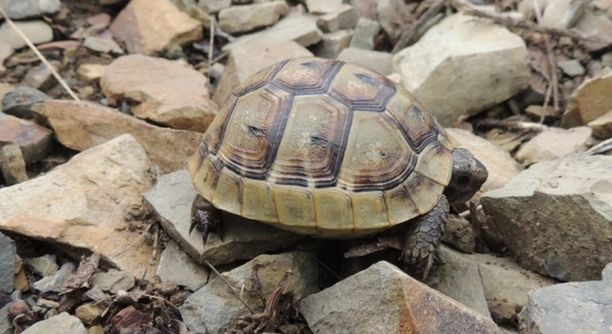
Greek tortoises are popular pets known for their unique appearance and calm demeanor. However, keeping them in colder climates raises questions about their ability to survive in low temperatures. Here’s what you need to know.
Greek tortoises are not suited for cold weather. They are native to warm, dry environments and cannot survive freezing temperatures. Exposure to cold can cause health issues or even death due to their inability to regulate their body temperature.
There are ways to help your Greek tortoise stay healthy despite the cold. Knowing the signs of stress and understanding how to care for them during colder months will ensure they thrive in your care.
Why Cold Weather is Dangerous for Greek Tortoises
Greek tortoises are cold-blooded reptiles, meaning their body temperature depends on the environment. When temperatures drop, they can’t maintain their normal bodily functions. Cold weather affects their metabolism and immune system, making them more susceptible to illness. If their body temperature drops too much, they could go into a state of dormancy called brumation, but this should only happen naturally in specific conditions. If they are forced into cold temperatures without the proper environment, it can lead to severe health problems or even death. Since they are used to warmer, Mediterranean climates, exposure to cold can be especially dangerous.
Greek tortoises need to be kept in environments with stable temperatures, ideally between 70°F and 85°F. If they are exposed to temperatures below 50°F for too long, it can result in significant damage to their internal organs. Even a short period of cold exposure may cause long-term harm to their health. The best way to protect them is by creating a habitat that mimics their natural environment, which can help prevent these issues.
How to Protect Greek Tortoises from the Cold
Maintaining a safe temperature for your Greek tortoise is essential for its well-being. If you live in a cooler climate, it’s best to keep them indoors during the colder months. Consider using a heat lamp or a basking spot to regulate the temperature within their enclosure. Make sure the area is warm enough to allow them to stay active. For outdoor enclosures, investing in insulated shelters or using heat sources during particularly cold spells will help keep them safe.
Providing a heated indoor space for your Greek tortoise ensures it can remain comfortable year-round. Keep in mind that even slight drops in temperature can cause stress or health problems. Always monitor the temperature regularly with a reliable thermometer and adjust the heat sources as needed.
Signs of a Cold-Stressed Greek Tortoise
If your Greek tortoise is stressed from the cold, you may notice it becoming lethargic or refusing to eat. Their activity levels will drop, and they may appear unusually withdrawn. You might also see them trying to burrow more than usual in search of warmth. A cold-stressed tortoise may display shallow breathing or unusual postures as it struggles to conserve body heat. Keeping an eye on these behaviors is key to identifying problems early and ensuring your tortoise’s health isn’t compromised.
In some cases, cold stress may cause your tortoise to hide in its shell or become non-responsive. These are signs that the body is attempting to protect itself from extreme conditions. Prolonged exposure to the cold can lead to organ failure, which is why you must act quickly to warm them up. If you suspect that your tortoise is suffering from cold-related stress, immediately move them to a warmer space. A gradual increase in temperature will help them recover.
If your tortoise is showing signs of a cold-related issue, try to avoid sudden temperature changes. While bringing them into a warm environment is crucial, doing so too quickly can cause further stress. Provide a safe, temperature-controlled area and monitor their behavior closely. In some situations, providing a small heat source like a heating pad can be beneficial. However, do not place it directly on their shell, as it may cause burns or additional harm.
How to Warm Up a Cold Greek Tortoise
If your tortoise is too cold, gently warm it up to a safe temperature range. Place them in an enclosure with a consistent temperature between 70°F and 85°F. Ensure the area is well-lit, as light can also help regulate their body temperature. Do not attempt to force-feed them until they are back to a safe, healthy state. Allow your tortoise time to recover in a calm environment. Avoid excessive handling during this time, as it can increase stress levels.
Providing your tortoise with a warm and quiet space is key to helping them recover from cold stress. If you notice they are still unresponsive after warming them up, it’s essential to seek veterinary care immediately. A veterinarian will check for potential internal damage caused by cold exposure and offer appropriate treatment. In some cases, fluids or other interventions might be needed to help your tortoise bounce back to full health. Proper care and quick action will improve their chances of recovery.
Indoor vs. Outdoor Housing for Greek Tortoises
If you live in a colder climate, it’s better to keep your Greek tortoise indoors during winter. Outdoor temperatures can fluctuate, leading to unpredictable conditions. Indoor housing allows you to control the temperature and create a more stable environment. If kept outside, a heated shelter may help, but it requires constant monitoring.
Outdoor housing for a Greek tortoise can be feasible in warmer months, but during colder seasons, indoor care is crucial. A temperature-controlled indoor environment allows you to better mimic their natural habitat. This is the most effective way to keep them comfortable and safe during winter.
Using Heat Sources for Greek Tortoises
Using heat lamps or heating pads is essential to keep your Greek tortoise warm in colder climates. Make sure to place heat sources above the enclosure, providing a basking area where they can absorb heat. These heat sources should not be placed directly on the tortoise to avoid burns.
The warmth from the heat source should not be overwhelming. It’s important to provide a temperature gradient within the enclosure so your tortoise can choose where they feel most comfortable. Monitoring the temperature regularly will ensure it stays within a safe range, preventing overheating or excessive cooling.
Proper Diet During Cold Weather
During the colder months, Greek tortoises tend to eat less. It’s important to provide them with a nutritious, well-balanced diet to support their health. Even if their appetite decreases, make sure they are getting the right nutrients to maintain their strength. Offer fresh leafy greens and occasional fruits, but avoid overfeeding.
FAQ
Can Greek tortoises live outside in winter?
Greek tortoises are not suited for winter climates. They are native to warm, Mediterranean regions and cannot handle freezing temperatures. In the winter, they need to be kept indoors where the temperature can be controlled. If you want to keep them outside, you must provide a heated shelter, but this requires careful monitoring to ensure they stay warm enough. It’s generally best to bring them inside for the winter months to prevent health issues.
What is brumation and how does it affect Greek tortoises?
Brumation is a hibernation-like state that cold-blooded reptiles, like Greek tortoises, enter during the colder months. It helps them conserve energy and survive when food and warmth are scarce. While it’s a natural process, it only happens under specific conditions. Greek tortoises in colder climates might attempt brumation even if they are not in an environment that’s safe for it. If their body temperature drops too low, they could go into brumation prematurely, which can be dangerous if they don’t have the right conditions.
How can I keep my Greek tortoise warm in winter?
To keep your Greek tortoise warm, you should provide a heat lamp or heating pad inside their enclosure. These heat sources mimic the sunlight they would get in their natural habitat. Ensure the enclosure has a temperature gradient so your tortoise can regulate its body temperature by moving between warmer and cooler areas. Make sure the heat source isn’t too hot, as this can cause burns. Use a thermometer to monitor the temperature and keep it between 70°F and 85°F.
Can I keep my Greek tortoise outside in the summer and inside in the winter?
Yes, keeping your Greek tortoise outside in the summer and inside in the winter is a good option. During warmer months, outdoor enclosures are ideal for providing them with natural sunlight and fresh air. However, when the weather turns cold, it’s important to bring them inside to protect them from the harsh temperatures. Ensure that the indoor environment mimics the conditions of their natural habitat with proper heat and lighting.
What should I do if my Greek tortoise refuses to eat in winter?
If your Greek tortoise isn’t eating in winter, it could be due to lower temperatures or a decrease in their activity levels. When it’s colder, tortoises often eat less or stop eating altogether, as their metabolism slows down. Ensure the temperature in their enclosure is warm enough and offer a variety of fresh foods. If they still refuse to eat, it’s important to monitor their behavior closely. If this persists for too long, consider consulting a veterinarian to rule out any health issues.
How long can a Greek tortoise survive in cold weather?
Greek tortoises can only survive in cold weather for a short time. Exposure to temperatures below 50°F for extended periods can lead to severe health problems or death. If they are not kept in a warm environment, they can become lethargic, suffer from respiratory issues, or even experience organ failure. It’s essential to keep your tortoise indoors during winter and provide a stable, warm environment.
How do I know if my Greek tortoise is too cold?
Signs that your Greek tortoise may be too cold include lethargy, a lack of appetite, and shallow breathing. If your tortoise is not moving much, hiding in its shell for long periods, or appearing sluggish, it could be a sign that the temperature is too low. A cold tortoise may also appear stiff or have difficulty moving. If you suspect that your tortoise is too cold, immediately warm it up to a safe temperature and monitor its behavior.
Should I feed my Greek tortoise during winter?
While it’s common for Greek tortoises to eat less in the winter, it’s still important to provide food. If your tortoise is active, you can continue feeding it fresh leafy greens and occasional fruits. However, avoid overfeeding, as they may not be as active in colder months. If your tortoise is not eating, try offering food again later or consult a veterinarian to ensure there are no underlying health issues.
How can I create a warm environment for my Greek tortoise indoors?
To create a warm environment indoors, set up an enclosure that has a heat lamp or heating pad. Make sure the heat source is positioned above the enclosure and not directly on the tortoise to prevent burns. The temperature should range from 70°F to 85°F, with a cooler area in the enclosure where the tortoise can move if needed. Use a thermometer to monitor the temperature and ensure it stays consistent. Also, provide a basking area where your tortoise can soak up heat.
Can Greek tortoises handle humidity?
Greek tortoises prefer dry, arid environments with low humidity. High humidity can cause respiratory problems and other health issues. If you live in a humid area, it’s important to ensure that your tortoise’s enclosure has proper ventilation and a dry substrate. Avoid placing water dishes in areas where humidity could accumulate. If you must maintain some humidity, keep it at a low level and monitor the tortoise for any signs of distress.
Final Thoughts
Caring for a Greek tortoise requires careful attention, especially when it comes to the weather. These reptiles are native to warm, Mediterranean regions, so they are not built for cold temperatures. When exposed to low temperatures, they can experience serious health issues like brumation or even organ failure. Understanding the dangers of cold weather is key to ensuring your tortoise lives a healthy and happy life.
One of the most important steps you can take is to keep your Greek tortoise in a controlled, warm environment during the colder months. Whether that means keeping them indoors or providing a heated outdoor shelter, it’s crucial to avoid exposing them to temperatures below 50°F. Indoor enclosures with heat lamps, proper lighting, and a temperature gradient can help mimic their natural habitat. Ensuring they have access to warm spaces will allow them to maintain a healthy metabolism and immune system, which is essential for their long-term well-being.
Taking preventive measures during winter months can help your tortoise avoid cold stress, which is often linked to a lack of proper temperature regulation. Signs of cold stress, such as lethargy or loss of appetite, should never be ignored, as they can indicate serious health concerns. By providing the right care, including monitoring the temperature and offering a nutritious diet, you can help your tortoise thrive throughout the year. If in doubt, don’t hesitate to consult a vet to ensure your Greek tortoise is receiving the best care possible.

Hello,
If you enjoy the content that we create, please consider saying a "Thank You!" by leaving a tip.
Every little bit helps us continue crafting quality advice that supports the health, happiness, and well-being of pets around the world, for pets of all shapes, sizes, and species.
We really appreciate the kindness and support that you show us!