
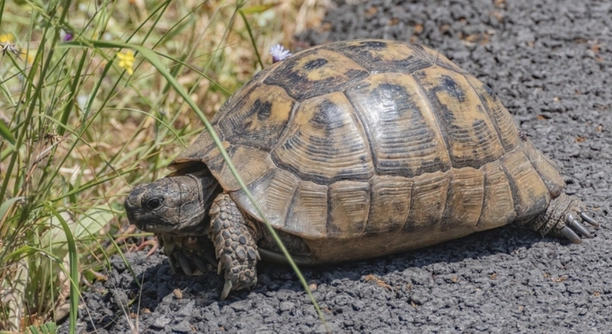
If you have a Russian tortoise, you may notice it sometimes lifting its front legs. This behavior can be puzzling if you’re not sure why it’s happening. Understanding the cause can help you care for your pet better.
The behavior of lifting front legs in Russian tortoises often indicates that they are either exploring, showing curiosity, or attempting to assert dominance. It may also be linked to an instinctual display of strength or preparation for movement.
Recognizing the reasons behind this behavior can help ensure your tortoise is happy and healthy. Keep reading to learn more about what might be causing this action.
Why Is My Russian Tortoise Lifting Its Front Legs?
When your Russian tortoise lifts its front legs, it could be trying to explore its surroundings. Tortoises are naturally curious creatures, and lifting their front legs can help them get a better sense of what’s around them. They use their legs to push against objects or surfaces, often as a way to investigate or feel their environment. It’s a behavior you might see when your tortoise is exploring new spaces or even when it’s looking for food.
Tortoises may also engage in this action when they’re feeling playful or when they’re testing out new movements. It’s an instinctual response that is part of their natural behavior. As they move through their habitat, they’ll often stretch out their legs to help them navigate their space.
This type of behavior is common, especially in younger tortoises that are more active and inquisitive. By observing their environment closely, they are able to determine what’s safe, what’s interesting, and where they can go next. It’s also important to make sure your tortoise’s environment is spacious enough for them to move freely.
Is It a Sign of Stress or Discomfort?
Sometimes, a Russian tortoise might lift its front legs if it feels threatened or uncomfortable. If the area it’s in feels cramped or not safe, your tortoise might use this posture to test for any possible escape routes. It’s their way of trying to get a better sense of where they are.
However, when stress is the cause, the behavior could be more than just curiosity. If your tortoise feels cornered or trapped, it may lift its legs more often in an attempt to climb or get out. Stress can also come from loud noises, unfamiliar surroundings, or even handling that feels uncomfortable to the tortoise. It’s important to give them a peaceful, secure environment where they can feel at ease.
Tortoises are sensitive creatures, and creating a calm space with hiding spots, proper lighting, and enough space to roam will help reduce stress. Always make sure their environment is enriched with areas to explore, so they don’t feel pressured into uncomfortable behaviors. By recognizing when your tortoise is stressed, you can make simple changes to ease their discomfort and encourage natural behaviors.
Is It Related to Mating Behavior?
During the mating season, male Russian tortoises may lift their front legs to display dominance or attract a mate. This behavior is typical in many species when males try to assert themselves. They may stretch their legs or perform other actions to show off strength or get attention.
When males display this behavior, it’s often accompanied by other actions, such as head bobbing or chasing. These actions help them communicate with females, signaling their interest or readiness to mate. If you have a male and female tortoise together, this kind of behavior may increase during breeding seasons. It’s a natural part of their reproductive cycle.
It’s important to monitor these behaviors to ensure there is no aggression between tortoises. Males may get territorial, so providing separate spaces for them can help reduce any tension. Keeping your tortoises in an environment where they can retreat from one another helps create a peaceful setting.
Could It Be an Attempt to Climb?
Russian tortoises are known for their climbing instincts. Lifting their front legs can be part of this natural behavior when they try to climb on objects, like rocks or logs. In their natural habitat, they often climb over uneven terrain to explore and find food.
This behavior is essential for their overall well-being because it helps them engage with their environment. Climbing allows them to exercise their muscles, stretch, and explore different levels within their space. If your tortoise is constantly lifting its front legs, it could be trying to reach higher ground or escape from an obstacle.
Providing your tortoise with climbing opportunities can help satisfy this instinct. Make sure your tortoise’s enclosure includes safe climbing structures, like rocks or wood, that they can explore without risk of injury. Climbing helps keep them active and mentally stimulated.
Is It Part of Their Normal Exploration?
Lifting their front legs is often a sign that your Russian tortoise is exploring its environment. They use their legs to help them feel and test objects around them. It’s a natural instinct to check out new places.
If your tortoise is exploring, it’s likely just trying to navigate and understand its surroundings. It’s common for them to lift their front legs when they’re curious about something. This action may help them feel safer or more confident as they investigate.
As long as they have enough space and items to interact with, this type of behavior is a sign of a healthy, inquisitive tortoise. Giving them plenty of room to roam helps encourage this natural behavior.
How Temperature Affects Their Behavior
Temperature can also play a role in the way your tortoise moves. When the temperature in their environment is too low, tortoises may try to adjust by lifting their front legs to move more easily. Cold temperatures can make them feel stiff, so they try to warm up.
If your tortoise is lifting its front legs more often than usual, consider checking the temperature in its enclosure. The ideal temperature for a Russian tortoise is between 75 and 85°F (24-29°C). If it’s too cold, your tortoise may become less active, and you might notice more leg-lifting as it tries to get comfortable.
To prevent this, maintain a consistent temperature with heat lamps or heating pads, and avoid cold drafts. Keeping their environment warm will help your tortoise stay active and reduce discomfort caused by low temperatures. Proper warmth is key to their overall health and happiness.
Is It a Sign of Illness?
Although it’s rare, excessive leg-lifting in Russian tortoises could be a sign of illness. If your tortoise is lifting its legs more than usual and shows other signs like lethargy or lack of appetite, it might be unwell. It’s important to monitor your pet closely for any changes.
When tortoises are sick or in pain, they might engage in abnormal movements or behaviors. If your tortoise is consistently lifting its front legs and seems stressed or uncomfortable, it may be time to visit a vet. An underlying medical issue, such as a respiratory infection or injury, could be affecting its behavior.
Taking quick action can help ensure your tortoise gets the care it needs. If you’re unsure, a quick check-up with a vet can give you peace of mind.
FAQ
Why does my tortoise lift its front legs?
Your tortoise may lift its front legs for various reasons, including exploration, curiosity, or even as part of a display of dominance. It could be trying to reach something, such as food or an object it’s interested in. Lifting the front legs is a way for the tortoise to feel and test its surroundings. In some cases, it might also be linked to mating behavior, especially in males during breeding season, when they try to assert themselves or attract a mate. This is typically normal, and as long as your tortoise seems healthy, there’s no need for concern.
Can lifting front legs be a sign of illness?
Yes, if the leg-lifting behavior is excessive and accompanied by other symptoms like lethargy, lack of appetite, or changes in their movement, it could be a sign that your tortoise is not feeling well. It’s essential to monitor other behavior changes as well. If you suspect illness, a visit to the vet is necessary to rule out any underlying conditions like respiratory infections, shell rot, or injuries.
Is my tortoise lifting its front legs because it’s stressed?
Stress can definitely cause abnormal behavior in tortoises, including lifting their front legs. If your tortoise is in an uncomfortable or cramped environment, it may use this behavior as a way to test its surroundings or even try to escape. Stress can also be triggered by loud noises, sudden changes, or inadequate temperature. Ensuring that your tortoise has enough space and a comfortable environment can reduce stress and encourage more natural behavior.
How can I help my tortoise feel less stressed?
To help your tortoise feel less stressed, make sure its living environment is suitable for its needs. The enclosure should be spacious enough for it to move around freely and explore. Provide hiding spots, appropriate lighting, and temperature control to mimic natural conditions. Avoid handling your tortoise too much, as this can be stressful for them. Keeping its habitat clean and free from disturbances will also help maintain a peaceful space.
Could temperature affect my tortoise’s behavior?
Yes, temperature can significantly impact your tortoise’s behavior. If it’s too cold, your tortoise may become sluggish or uncomfortable. In response, it might lift its front legs in an attempt to adjust its body or move more easily. Maintaining a temperature between 75°F and 85°F (24°C-29°C) will help your tortoise stay active and healthy. Make sure you provide a heat source, such as a heat lamp, and monitor the temperature regularly to ensure it’s within the ideal range.
Is it normal for a tortoise to lift its legs when it’s eating?
It is normal for a tortoise to lift its front legs while eating. This behavior can be part of how they move and adjust themselves as they reach for food. Some tortoises may use their front legs to help steady themselves or feel around for food. It’s a natural action and nothing to worry about unless there are other signs of distress or health issues.
How can I encourage my tortoise to climb?
If you want to encourage your tortoise to climb, provide climbing structures such as rocks, logs, or ramps. Tortoises naturally enjoy climbing as part of their exploration process, and it also helps them exercise their muscles. Make sure that these structures are safe, sturdy, and provide enough traction to avoid injury. Climbing can offer both mental and physical stimulation, which is essential for your tortoise’s well-being.
Should I be concerned if my tortoise lifts its front legs repeatedly?
If your tortoise lifts its front legs repeatedly but is still eating, drinking, and moving around normally, there is no need to be alarmed. It’s likely just a natural behavior, particularly if it’s exploring or trying to climb. However, if this behavior becomes constant or is accompanied by other concerning symptoms like limping, lethargy, or changes in appetite, a visit to the vet is advisable. It could indicate a medical issue or discomfort that needs to be addressed.
What are the best conditions for my tortoise’s habitat?
To keep your tortoise happy and healthy, its habitat should have enough space for roaming and exploring. The enclosure should have hiding spots, rocks, and other elements for mental stimulation. The temperature should range from 75°F to 85°F (24°C-29°C) with a basking spot of around 90°F (32°C). Humidity should be low to moderate, depending on the species. UVB lighting is also essential for their shell and bone health. Lastly, ensure that the substrate is safe and easy to clean.
How do I know if my tortoise is uncomfortable?
Signs that your tortoise might be uncomfortable include frequent leg-lifting, staying in one spot for too long, or avoiding movement. If your tortoise isn’t eating, drinking, or showing interest in its surroundings, this could also be a sign that something’s wrong. Other signs of discomfort might include a change in breathing patterns, shell abnormalities, or unusual droppings. If these signs persist, it’s time to consult with a vet.
Final Thoughts
Understanding why your Russian tortoise lifts its front legs can help you provide better care for it. This behavior is usually natural, and it can stem from curiosity, exploration, or even mating instincts. Tortoises are known to be inquisitive, and lifting their legs may simply be a way for them to navigate their environment or reach something they find interesting. In many cases, this behavior is completely normal and doesn’t indicate any problems. It’s important to observe your tortoise and ensure that the environment is comfortable and spacious enough for it to move around and explore freely.
However, there are times when leg-lifting could signal discomfort or stress. If your tortoise is lifting its legs repeatedly and shows other signs of distress, such as lethargy, lack of appetite, or abnormal movements, it’s essential to consider the possibility of health issues. Temperature can play a significant role in your tortoise’s behavior. A too-cold environment may make it feel stiff or sluggish, which might lead to more leg-lifting as it attempts to adjust. If the environment is too small or uncomfortable, your tortoise could also be trying to find a way out. Checking the temperature and ensuring that your tortoise’s space is large enough to accommodate its natural behaviors can help reduce stress and prevent unnecessary behavior.
In the end, lifting its front legs is usually a part of your tortoise’s normal behavior, and understanding the context can help you make the right decisions for its care. Whether it’s simply exploring, displaying mating behavior, or trying to find a comfortable position, this action is often just a sign that your tortoise is interacting with its surroundings. Make sure your tortoise has a suitable habitat with enough space, the right temperature, and enrichment to keep it happy and healthy. If you ever feel unsure about your tortoise’s behavior, a vet visit can provide peace of mind and ensure everything is on track.

Hello,
If you enjoy the content that we create, please consider saying a "Thank You!" by leaving a tip.
Every little bit helps us continue crafting quality advice that supports the health, happiness, and well-being of pets around the world, for pets of all shapes, sizes, and species.
We really appreciate the kindness and support that you show us!