
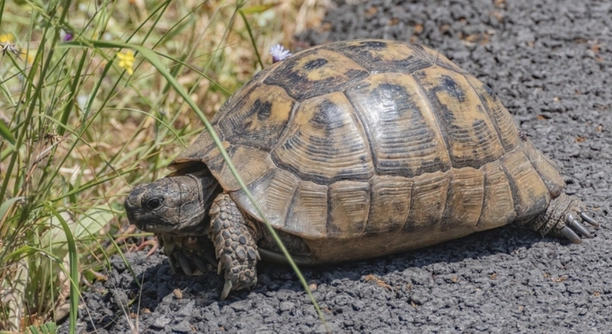
Russian tortoises are known for their unique behavior and preferences when it comes to their environment. Understanding these habits can help in determining why a tortoise may avoid its nesting area.
Russian tortoises may avoid their nesting area due to factors such as environmental stress, incorrect substrate, health issues, or the presence of predators. Inadequate temperature or humidity can also discourage nesting. These factors can affect the tortoise’s behavior and comfort.
A better understanding of these factors can help improve the environment for your tortoise and ensure its well-being.
Environmental Stress
Russian tortoises are sensitive to changes in their environment. Stress from excessive noise, temperature fluctuations, or even changes in their habitat layout can make them avoid their nesting area. If their surroundings feel unsafe or uncomfortable, they may seek shelter elsewhere. Providing a stable, quiet space is crucial to help them feel secure.
Environmental stress can stem from various factors. The presence of loud sounds, sudden movements, or even strong smells may disturb their routine. These stressors can discourage them from approaching their nesting area. Ensuring a consistent temperature range of 70-80°F and maintaining low humidity levels can help keep the tortoise calm and content.
A well-established routine also contributes to a tortoise’s comfort. The nesting area should be in a location free from disturbances. If they sense any threat, they might decide to avoid it altogether. To reduce stress, make sure their habitat remains predictable and peaceful. Familiarity will help the tortoise feel more confident when it comes time to nest.
Incorrect Substrate
The substrate in a tortoise’s enclosure plays a significant role in its nesting behavior. If the material is unsuitable, it may deter them from using the area. Choosing a substrate that is comfortable, absorbent, and easy to dig into can make all the difference.
When selecting bedding, avoid rough or overly dry materials. Russian tortoises tend to prefer softer, more natural substrates like coconut coir or organic soil. A substrate that is too sandy or difficult to dig into can be unappealing, making the tortoise look for alternative nesting sites. A comfortable substrate encourages digging behavior, making the nesting area more inviting.
Health Issues
Health problems can lead to a tortoise avoiding its nesting area. If your tortoise is in pain or discomfort, it may avoid places where it usually feels vulnerable. Watch for signs of injury or illness, such as lethargy or lack of appetite, which could indicate underlying health concerns.
A tortoise that feels unwell may refuse to use its nesting area, as it associates the space with discomfort. Respiratory issues, digestive problems, or shell injuries can make movement and digging difficult. If you notice any signs of illness or behavioral changes, seek veterinary care. Addressing health concerns promptly ensures your tortoise’s well-being and restores its nesting habits.
Even minor health issues, such as dehydration or parasites, can cause a tortoise to avoid its usual space. Keep an eye on its behavior and provide proper care to avoid further complications. A tortoise that feels good is much more likely to return to its preferred nesting area.
Temperature and Humidity
Temperature and humidity are critical factors for Russian tortoises. If their nesting area is too hot, too cold, or too humid, they may avoid it. Maintaining the proper environment will ensure your tortoise is comfortable and more likely to nest there.
A Russian tortoise’s nesting area should be between 70-80°F with a basking spot slightly warmer. If the temperature drops too low or rises too high, the tortoise may avoid the area. Likewise, too much humidity can lead to discomfort, causing the tortoise to seek out a drier spot. Regularly monitor and adjust the habitat to meet their needs.
Maintaining the right environment encourages natural behavior. Tortoises that feel secure in their surroundings are more likely to use their nesting areas regularly. If you are unsure about your setup, investing in a thermometer and hygrometer to check temperature and humidity levels can prevent issues from arising.
Presence of Predators
If your Russian tortoise senses a threat, it will avoid its nesting area. Predators, whether they’re other animals or even a change in human behavior, can cause stress. Ensuring the enclosure is secure from potential threats will help your tortoise feel safe in its habitat.
Predators can be anything from larger pets to outside animals that might be able to enter the enclosure. A tortoise that perceives any danger will look for a more secure, hidden spot. Using secure enclosures with proper barriers can help reduce the risk of outside threats and ensure your tortoise feels safe.
Inadequate Space
Space is another important factor. If the nesting area is too small or overcrowded, your tortoise may not feel comfortable using it. Providing enough space allows the tortoise to feel secure and gives it the freedom to move around when needed. A cramped nesting area leads to stress and avoidance.
A proper-sized enclosure is essential for a Russian tortoise’s health and comfort. The space should be large enough to allow your tortoise to roam, dig, and hide. Crowded spaces with limited room for movement can make your tortoise uncomfortable, which may cause it to avoid its nesting area altogether.
FAQ
Why is my Russian tortoise avoiding its nesting area?
Your tortoise may be avoiding its nesting area due to stress, health issues, or environmental factors like temperature and humidity. If there is any disturbance or discomfort, they may seek out a different, more secure spot. Pay attention to signs of illness, changes in behavior, or an uncomfortable habitat that could be the cause.
How can I make my tortoise feel comfortable in its nesting area?
Make sure the area is clean, spacious, and free from stressors. Use appropriate substrate, such as coconut coir or organic soil, which is comfortable and easy to dig into. Keep the temperature within a range of 70-80°F and ensure there are no loud noises or disturbances that could make the tortoise feel unsafe.
Can other pets cause my tortoise to avoid its nesting area?
Yes, the presence of other pets, especially if they are larger or more aggressive, can make your tortoise feel threatened. The sight or smell of another animal might cause the tortoise to avoid its usual space. Ensure the enclosure is secure and protect it from any outside disturbances.
How often should I check the temperature and humidity in my tortoise’s enclosure?
You should check the temperature and humidity regularly, at least once a day, to ensure the environment remains stable. Use a thermometer and hygrometer to measure the levels. The ideal temperature for a Russian tortoise’s nesting area is between 70-80°F with a basking spot slightly warmer, and the humidity should be kept low.
Can I use a heat lamp for my Russian tortoise’s nesting area?
Yes, a heat lamp can help maintain a comfortable temperature in your tortoise’s enclosure. Place it in a specific area to create a basking spot, making sure not to overheat the space. Keep the temperature gradient in mind, with cooler areas available for the tortoise to move to when needed.
What are the signs that my tortoise is stressed?
Signs of stress in a Russian tortoise may include hiding, excessive lethargy, loss of appetite, or irregular movement patterns. If your tortoise appears to be avoiding its nesting area or acting unusually, it may be experiencing stress. Assess the environment and check for potential causes like temperature changes, loud noises, or health issues.
Can I move my tortoise’s nesting area if it’s not using it?
You can move the nesting area, but make sure the new location is still quiet, secure, and properly maintained. Avoid making sudden changes, as this can further stress the tortoise. Introduce the new spot gradually and ensure it meets all necessary conditions for comfort, such as temperature, space, and substrate.
How do I know if my tortoise is sick?
Common signs of illness in a Russian tortoise include lethargy, changes in eating habits, difficulty moving, or unusual breathing. If you notice any of these symptoms, take your tortoise to a veterinarian familiar with reptiles. Early diagnosis and treatment are crucial to preventing further complications.
Is it normal for my tortoise to avoid nesting altogether?
It can be normal if your tortoise is not in the right environment or is feeling unwell. However, it is important to address any environmental or health factors that could be preventing your tortoise from using the nesting area. Make sure its enclosure is secure, its health is monitored, and there are no disturbances.
Final Thoughts
Russian tortoises may avoid their nesting areas for various reasons, from health issues to environmental factors. Understanding these causes can help you create a better habitat for your pet. Observing your tortoise’s behavior and making adjustments to its enclosure can reduce stress and ensure it feels comfortable in its space. Whether it’s adjusting the temperature or removing potential threats, addressing the root cause is essential.
Health plays a big role in your tortoise’s behavior. If your tortoise is feeling unwell, it will avoid spaces where it usually rests. Respiratory issues, shell injuries, or digestive problems could lead to this behavior. A visit to a veterinarian is essential if you notice changes in its eating habits, movement, or overall activity levels. Ensuring proper hydration and nutrition also supports its health, making it more likely that the tortoise will return to its usual spots.
Creating the right environment is also critical. The nesting area should be free from temperature extremes, humidity imbalances, or overcrowded conditions. Tortoises thrive when they feel secure, and a calm, safe environment encourages natural behaviors like nesting. Keeping the space clean and providing adequate room for your tortoise to dig, explore, and rest can help prevent avoidance. If your tortoise is stressed by other pets, loud noises, or any external disturbances, address those as well.

Hello,
If you enjoy the content that we create, please consider saying a "Thank You!" by leaving a tip.
Every little bit helps us continue crafting quality advice that supports the health, happiness, and well-being of pets around the world, for pets of all shapes, sizes, and species.
We really appreciate the kindness and support that you show us!