
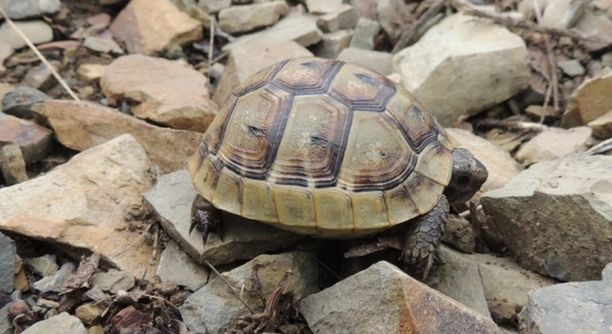
Russian tortoises are popular pets, but they are sensitive to temperature changes. Keeping them cool and comfortable in warm weather is essential for their health. In this article, we will explore ways to prevent your tortoise from overheating.
To prevent overheating in your Russian tortoise, ensure they have access to shade, fresh water, and proper ventilation in their enclosure. Avoid placing them in direct sunlight or areas with high temperatures, as this can cause heat stress or dehydration.
By taking these simple precautions, you can help keep your tortoise safe from the dangers of extreme heat. There are additional tips that can help maintain their well-being. Keep reading to learn more about how to protect your pet.
Provide Proper Shade for Your Tortoise
When it comes to protecting your Russian tortoise from overheating, shade is a must. Tortoises need a cool place to retreat to, especially when the weather heats up. Without proper shade, they may get too hot and experience stress or health issues. If your tortoise is outside, make sure their enclosure has plenty of shaded areas. You can use outdoor plants, a small roof, or even a simple tarp to create some cover. This will ensure they can stay out of direct sunlight and maintain a comfortable body temperature.
An enclosed space like a shed or shaded area will help maintain a stable temperature for your tortoise. This simple addition can keep them cool and comfortable, especially on hot days.
Shading your tortoise’s living area doesn’t have to be complicated. The more variety you provide in their shaded space, the better. They need to have multiple options to choose from, depending on where they feel most comfortable. Keeping their living area cool will reduce the risk of dehydration and heat stress.
Keep the Enclosure Ventilated
Proper ventilation is key for a healthy tortoise habitat. It helps maintain the right temperature and humidity levels, reducing the chances of overheating. Make sure your tortoise’s enclosure has openings for airflow, especially if you’re using a closed habitat like a tank or terrarium. Good airflow prevents the air from becoming stagnant and too hot.
Ventilation not only keeps the temperature stable but also prevents mold and bacteria from building up. Without it, the environment can become damp and uncomfortable for your tortoise. Additionally, proper airflow reduces the risk of respiratory infections.
If your enclosure is indoors, open windows when possible or use a fan to keep air circulating. If it’s outdoors, place the shelter in a location where the breeze can reach. This helps balance out the heat and ensures your tortoise stays at a healthy temperature.
Provide Access to Fresh Water
It’s essential to provide your Russian tortoise with constant access to fresh water. In warm conditions, tortoises can quickly become dehydrated, which makes them more vulnerable to heat stress. Offer a shallow dish of water, ensuring it’s changed regularly to prevent contamination.
The water should be placed in a spot that is easy for your tortoise to access but not so deep that it becomes a drowning hazard. This simple step helps keep your tortoise hydrated, even in hot weather. Remember to monitor the water level throughout the day.
During very hot days, consider offering water more frequently or using a misting system to keep the humidity levels up. Adding a water feature or small shallow pool can also encourage your tortoise to drink more often. This will help ensure they stay cool and avoid dehydration.
Avoid Direct Sunlight
Russian tortoises thrive in moderate sunlight but should avoid direct exposure to it during the hottest part of the day. A sudden temperature spike can cause them to overheat. If you’re keeping them outside, be sure to position their habitat in a shaded spot, where they can enjoy warmth without being exposed to intense sunlight.
Direct sunlight can raise the temperature inside the enclosure quickly, leading to dangerous conditions for your tortoise. It’s vital to monitor their behavior to see if they seem uncomfortable. If they are retreating more often or staying inactive, it may be a sign that they’re too hot.
If your tortoise enjoys sunbathing, let them do so during cooler hours, such as early morning or late afternoon. Keeping their sun exposure limited to those times will help them stay comfortable without overheating. Consider using a shade cloth or a canopy if necessary to block out excessive sunlight.
Use a Thermometer to Monitor Temperature
A thermometer is a simple and effective tool to keep track of the temperature in your tortoise’s environment. It helps ensure the habitat stays within the safe range. Too much heat can lead to overheating, while too little can make them uncomfortable.
Place the thermometer at a level your tortoise can experience. Avoid relying solely on air temperature; ground temperature matters too. Keep an eye on the readings and adjust the enclosure as needed to maintain a steady, safe temperature for your pet.
Provide Hiding Spaces
Tortoises need places to hide and cool off. Providing hiding spots within their enclosure allows them to retreat when they feel too warm or stressed. This ensures they can control their environment and stay comfortable.
Add a small log, rock, or other shelters inside their habitat. This will give them a safe place to rest away from heat sources and sunlight. A hiding spot can also reduce stress and give your tortoise a sense of security.
FAQ
How do I know if my tortoise is overheating?
If your Russian tortoise is overheating, you’ll likely notice signs of discomfort. They may become sluggish, spend more time hiding, or avoid moving altogether. In severe cases, you might see them panting or acting lethargic. Their skin may feel warmer than usual, and they might seem less active or responsive. It’s important to monitor your tortoise’s behavior regularly, especially during hot weather. If you notice any of these signs, move them to a cooler area and offer fresh water immediately.
Can I keep my tortoise outside during hot weather?
Yes, but only if you make sure they have access to shade and plenty of fresh water. Russian tortoises can tolerate some heat, but too much direct sunlight can lead to overheating. Always provide a shaded area where they can retreat and avoid extreme temperatures. If the weather is too hot, it may be best to bring your tortoise indoors.
What temperature should my Russian tortoise’s habitat be?
The ideal temperature for a Russian tortoise’s habitat is around 75°F to 85°F (24°C to 29°C) during the day. At night, temperatures can drop to 65°F to 75°F (18°C to 24°C). Avoid letting the temperature exceed 90°F (32°C), as this can cause heat stress. Using a thermometer to monitor the environment regularly helps ensure the conditions remain comfortable for your tortoise.
Should I use a heat lamp for my tortoise?
A heat lamp can be beneficial in providing warmth for your tortoise, but it should be used carefully. Place the lamp on one side of the enclosure to create a temperature gradient, so your tortoise can move between warm and cool areas. Always ensure that the heat source is not too close, as it can cause overheating or burn your tortoise.
Can my tortoise drink from a water bowl in its enclosure?
Yes, your tortoise should have access to fresh water in a shallow dish within its enclosure. Make sure the water is changed regularly to avoid contamination. A water bowl gives your tortoise the option to hydrate when needed. For outdoor enclosures, a dish with a low edge will ensure they can drink safely without the risk of drowning.
What are the signs of dehydration in a tortoise?
Dehydration can be dangerous for tortoises, especially in warm conditions. Common signs of dehydration include sunken eyes, dry or wrinkled skin, and a lack of energy. If you notice these symptoms, it’s important to offer fresh water immediately and keep them cool. In some cases, a soak in lukewarm water may also help rehydrate your tortoise.
How often should I mist my tortoise’s enclosure?
Misting your tortoise’s enclosure can help maintain proper humidity levels, especially in drier climates. You don’t need to mist constantly, but a light misting once or twice a day should suffice. It can also encourage your tortoise to drink more water. Be sure not to overdo it, as excess moisture can create an environment conducive to mold growth.
What should I do if my tortoise gets too hot?
If your tortoise becomes overheated, it’s important to act quickly. Move them to a cooler area with access to shade and fresh water. Soaking them in lukewarm water can help bring down their body temperature. Make sure they’re not exposed to any heat sources, and monitor their behavior closely until they’ve cooled down.
Can I use ice to cool down my tortoise?
Using ice directly on your tortoise is not recommended. Sudden temperature changes can be harmful to them. Instead, move your tortoise to a cooler, shaded area and offer them a soak in lukewarm water to gradually bring their body temperature down.
Is it safe to let my tortoise roam outside during the summer?
Yes, but only if you closely monitor the temperature and make sure your tortoise has access to shade and water. If the weather is too hot, it’s best to keep them indoors. Always supervise them to ensure they stay cool and avoid dangerous heat exposure.
Final Thoughts
Taking care of a Russian tortoise during hot weather requires a little extra attention, but it’s not difficult once you understand their needs. One of the most important things you can do is provide plenty of shade and fresh water. This simple step can go a long way in keeping your tortoise cool and comfortable. Make sure their habitat has multiple areas where they can retreat from the sun and stay hydrated. Regularly check the temperature to ensure it stays within a safe range, avoiding extreme heat that could lead to overheating.
Another key factor is ensuring good ventilation in their enclosure. Proper airflow is essential to prevent the buildup of heat and humidity, which can stress your tortoise. Whether indoors or outside, make sure their living space allows air to circulate freely. Using a thermometer and monitoring the temperature can help you catch any fluctuations before they become a problem. If you notice your tortoise acting lethargic or seeking shelter more than usual, it’s a sign that they might be too hot, and you should adjust their environment accordingly.
Lastly, always be observant of your tortoise’s behavior. They can’t tell you when they’re uncomfortable, so it’s up to you to notice when something is off. Keeping an eye on their activity level, water intake, and overall appearance will help you spot any early signs of overheating or dehydration. With just a few simple measures, you can help ensure that your Russian tortoise stays healthy and happy, even during the hottest days.

Hello,
If you enjoy the content that we create, please consider saying a "Thank You!" by leaving a tip.
Every little bit helps us continue crafting quality advice that supports the health, happiness, and well-being of pets around the world, for pets of all shapes, sizes, and species.
We really appreciate the kindness and support that you show us!