
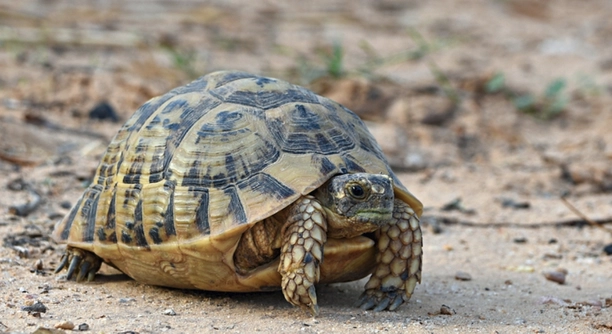
Creating the right digging area for your Russian tortoise is essential for their well-being. A well-prepared environment can mimic their natural habitat, ensuring they remain active and healthy. Proper adjustments can make a significant difference in their behavior and comfort.
To enhance your Russian tortoise’s digging area, focus on providing the right substrate, ensuring proper drainage, and offering various digging depths. Adding a mix of soil, sand, and organic matter helps create an environment that supports natural digging behavior and comfort.
With just a few simple changes, you can create a more engaging and comfortable space for your tortoise. These adjustments will ensure a better environment for their natural instincts and overall happiness.
Provide the Right Substrate for Digging
The right substrate plays a crucial role in your Russian tortoise’s digging area. A mixture of soil, sand, and organic matter allows your tortoise to dig comfortably while mimicking its natural habitat. The substrate should be deep enough for digging, with a texture that supports their natural behavior. Choose materials that are easy to clean and maintain, while also retaining moisture to prevent it from becoming too dry or too wet. Too much moisture can make the area muddy, while too little can make it uncomfortable for digging.
A good mix of soil and sand will also ensure proper drainage, which helps keep the substrate fresh and dry. Be sure to check for any chemicals in the soil that could harm your tortoise.
To keep the environment suitable for digging, replace the substrate periodically. Over time, it can become compacted or soiled, making it difficult for your tortoise to dig. A clean and well-maintained digging area promotes your tortoise’s health and comfort.
Add Layers for Variety
Varying the depth of the digging area will give your tortoise more options and engage its natural behaviors. Different depths allow them to explore and dig in a way that feels more natural to them.
This small adjustment can make a significant difference in encouraging active exploration.
Ensure Proper Drainage
Proper drainage is essential for maintaining a healthy digging environment. Without good drainage, moisture can accumulate and cause the substrate to become soggy, which may lead to health issues for your tortoise. The soil should be loose enough to allow water to flow through easily without creating standing water.
Using a layer of gravel or small stones at the bottom of the digging area can improve drainage significantly. This will allow water to escape, preventing the substrate from becoming too damp. Regularly check the moisture levels to ensure they remain ideal for your tortoise’s needs.
In addition to preventing waterlogged substrate, proper drainage can help with the overall cleanliness of the digging area. It reduces the risk of mold or bacteria growth, keeping your tortoise’s environment safe. A dry, clean area encourages natural digging behavior, while excess moisture can disrupt their activities and well-being.
Add Hiding Spots and Shelters
Providing hiding spots for your tortoise gives them a sense of security in their digging area. Tortoises are naturally inclined to find places to retreat when they feel threatened, and offering them options for hiding helps reduce stress. A simple rock or wooden shelter can work well.
Hiding spots not only give your tortoise privacy but also stimulate their natural instincts. A small cave or log will create areas where they can burrow and rest. Ensure these spots are placed strategically within the digging area so your tortoise can easily access them when needed. This setup mimics the wild, where they would naturally seek out shelters.
Creating these retreats also encourages your tortoise to explore more of the digging area. When they have a choice between burrowing and resting, it can help improve their physical and mental health. Proper hiding spots contribute to a more balanced and enriching environment.
Provide Natural Elements for Enrichment
Adding natural elements, like rocks, plants, and branches, helps create a more stimulating digging environment for your tortoise. These items encourage exploration, giving them new things to interact with while digging. Natural elements also mimic their native habitat, making them feel more comfortable.
Rocks can be placed in various spots to provide different textures for digging. They also serve as small obstacles, encouraging your tortoise to work harder. A few safe, non-toxic plants can also add an extra layer of stimulation while creating a more natural-looking space.
By incorporating these elements, you offer your tortoise a more enriched environment, which can reduce boredom and stress. Natural enrichment helps foster their curiosity and allows them to express behaviors they would naturally perform.
Create a Secure Boundary
A secure boundary is crucial to prevent your tortoise from escaping the digging area. It also ensures they have a space that’s safe from predators or outside disturbances. Choose a material like wood or plastic to create a solid, high enough wall to keep them in.
The boundary should be strong and high enough to discourage your tortoise from climbing out. Make sure it’s firmly anchored to prevent any gaps. Check the boundary regularly for wear and tear, as tortoises can be surprisingly good at finding ways to escape.
Monitor Temperature and Humidity Levels
Keep an eye on the temperature and humidity in the digging area to ensure it stays comfortable for your tortoise. They thrive in warmer, dry conditions, but not too hot. Regular monitoring will prevent any uncomfortable extremes that could harm them.
FAQ
How deep should the digging area be for a Russian tortoise?
A digging area for a Russian tortoise should be at least 6 to 12 inches deep. This allows them enough space to dig and burrow, mimicking their natural environment. Russian tortoises enjoy digging and often create small burrows to hide in or rest. If the substrate is too shallow, they may not feel comfortable digging, which can lead to stress. Keep in mind that the depth should be enough to provide variety and areas of different digging depths.
Can I use any soil for the digging area?
Not all soils are suitable for your tortoise’s digging area. Avoid using soils with chemical additives or pesticides. Opt for natural, organic soils, such as topsoil mixed with sand. This mixture allows for better drainage and offers a comfortable texture for digging. You can also add coconut coir or organic compost to increase moisture retention. Make sure the soil is loose, as compacted soil will not provide the same benefits for digging.
How often should I replace the substrate?
The substrate should be replaced every 3 to 6 months, depending on how much your tortoise uses it. Over time, the substrate can become compacted, soiled, and less effective for digging. Regularly cleaning the area is important to prevent bacterial buildup, mold, or pests. If you notice a strong odor or the substrate seems too wet or dry, it’s time for a replacement. Always remove waste daily to keep the area hygienic.
Can I add plants to the digging area?
Yes, adding non-toxic, safe plants can enhance the digging area and provide some additional enrichment. Choose plants that are safe for Russian tortoises, such as dandelions, clover, and grasses. Ensure that the plants are not treated with pesticides or chemicals, as these can be harmful. Having plants in their space offers a more natural environment, which can help your tortoise feel more secure and comfortable.
What type of hiding spots should I include?
Hiding spots should be simple and provide your tortoise with a sense of security. Rocks, logs, or wooden boxes can work well. The hiding spots should not be too small or difficult for your tortoise to access. Ensure there is enough space for them to retreat into when they feel threatened. Hiding spots also allow your tortoise to rest and avoid stress, which is important for their overall health.
How can I ensure my tortoise doesn’t escape the digging area?
To prevent your Russian tortoise from escaping, ensure the boundary is high enough (at least 12 inches) and securely fastened. Russian tortoises are good climbers, so a low boundary may not be sufficient. You can use materials like wood, plastic, or mesh to create a strong barrier. Check for any gaps or weaknesses in the boundary regularly, and reinforce it if necessary. A secure boundary is vital for your tortoise’s safety and comfort.
What temperature should the digging area be?
The ideal temperature for a Russian tortoise’s digging area should range between 70 to 85°F during the day. Nighttime temperatures can drop slightly, but they should not go below 65°F. Tortoises are cold-blooded, so maintaining a warm, comfortable temperature is essential for their health. If the area gets too hot, consider adding a shaded spot for your tortoise to retreat. Be sure to monitor the temperature regularly and adjust if necessary.
How do I prevent mold and bacteria in the digging area?
To prevent mold and bacteria, maintain proper drainage in the digging area. Make sure the substrate is not too wet and is kept dry. Adding a layer of gravel or stones at the bottom can improve drainage and reduce moisture buildup. Also, clean the area regularly by removing waste and checking for signs of mold or dampness. If you notice any mold, remove it immediately and replace the affected substrate.
Should I add a heat source to the digging area?
A heat source may be necessary if the ambient temperature is not warm enough. Russian tortoises require heat to digest food properly and stay healthy. You can use a heat lamp or ceramic heat emitter to warm the area. Make sure the heat source is positioned at one end of the enclosure to create a temperature gradient, allowing your tortoise to choose a comfortable spot. Avoid placing the heat source directly on the substrate, as this can create hot spots that may harm your tortoise.
Can I add water to the digging area?
Adding water to the digging area is generally not recommended, as Russian tortoises prefer dry environments. Excess moisture can make the substrate too soggy, leading to discomfort or health problems. If you wish to provide your tortoise with water, use a shallow water dish in a separate area, ensuring it is easily accessible. Regularly change the water to keep it clean. Avoid creating a moist, wet environment in the digging area to maintain your tortoise’s health.
Final Thoughts
Creating the ideal digging area for your Russian tortoise is important for their overall well-being. A properly designed space allows your tortoise to express natural behaviors like digging and burrowing, which are vital to their health and happiness. By offering a suitable depth, the right substrate, and natural elements like plants and rocks, you can provide a more enriching environment. Regular maintenance is key to ensuring the space remains comfortable and safe for your tortoise. Keeping the area clean and well-monitored ensures they can dig freely and comfortably without risk of stress or harm.
When setting up the digging area, it’s essential to create a secure boundary to prevent your tortoise from escaping. Tortoises are known to be excellent climbers, so it’s crucial to build a barrier that is high and strong enough. Regularly check for weaknesses or gaps, especially if your tortoise is an active digger. Adding hiding spots, natural elements, and keeping the area dry can further enhance the environment. This way, your tortoise will have both a place to explore and a safe retreat for when they need to rest or feel secure.
Incorporating these elements and making adjustments as needed will help your Russian tortoise thrive in their home. Monitoring temperature and humidity levels, along with using safe, non-toxic plants, ensures that they have the right conditions for a healthy, happy life. The more you adapt their environment to suit their natural needs, the more your tortoise will benefit from a stimulating, safe, and enriching habitat.

Hello,
If you enjoy the content that we create, please consider saying a "Thank You!" by leaving a tip.
Every little bit helps us continue crafting quality advice that supports the health, happiness, and well-being of pets around the world, for pets of all shapes, sizes, and species.
We really appreciate the kindness and support that you show us!