
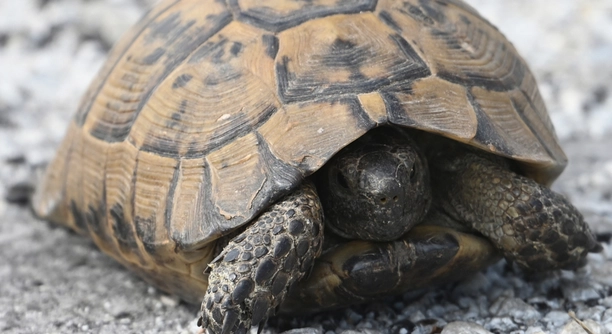
Russian tortoises sometimes rub their heads against objects, and this behavior can raise concerns for owners. Understanding the causes behind this action is important for their care and well-being.
Head rubbing in Russian tortoises may indicate stress, discomfort, or even a potential health issue such as a skin infection or parasite. Environmental factors like substrate type, temperature, or humidity may also contribute to this behavior.
Exploring the possible reasons behind this action will help ensure the proper care and comfort of your Russian tortoise.
Reasons for Head Rubbing in Russian Tortoises
Head rubbing in Russian tortoises can stem from a variety of reasons. One common cause is stress, which may be triggered by sudden changes in their environment or routine. These reptiles are sensitive to alterations in temperature, humidity, and lighting. If their habitat is too hot or cold, or if their tank lacks proper hiding spots, they might rub their heads in an attempt to self-soothe. Another possibility is discomfort from rough or unsuitable bedding material. A substrate that is too harsh, abrasive, or uncomfortable can cause rubbing as they try to alleviate irritation. Lastly, it’s important to rule out health issues. Skin infections, parasites, or even minor injuries can cause them to rub their heads against surfaces.
Environmental stressors can significantly impact your tortoise’s behavior. Make sure that the enclosure is kept at an optimal temperature and humidity level, and check that the bedding is comfortable and safe for them to explore. Providing a hiding spot may also help reduce their stress.
If head rubbing persists despite correcting the environment, it might be necessary to check for any medical concerns. Reptiles are skilled at hiding illness, so a visit to the vet may be needed to rule out infections or parasites. Close attention to their behavior and health is crucial for their well-being.
Addressing Head Rubbing in Your Tortoise
To stop head rubbing, first ensure that your tortoise’s habitat is suitable. Maintaining proper environmental conditions can help minimize stress. Next, examine the bedding for any rough edges or irritants. Switch to a softer, more comfortable material like coconut fiber or moss. This simple adjustment can make a significant difference in their comfort.
Additionally, a balanced diet is essential for keeping your tortoise healthy. Ensuring they receive adequate nutrition can boost their overall well-being. Offering variety in their food choices, including leafy greens and vegetables, can help improve their immune system and prevent health-related issues.
Stress and Environmental Factors
Tortoises are particularly sensitive to changes in their environment. If they feel stressed, they may rub their heads on objects. Temperature fluctuations, poor humidity control, or even a lack of hiding spots can cause stress. It’s essential to keep their enclosure stable and comfortable to prevent such behaviors.
Pay attention to the temperature and humidity in the tank. Russian tortoises thrive in temperatures ranging from 75°F to 85°F, with a basking spot that reaches around 90°F. Ensure the humidity levels stay around 40%-60%. If there is too much moisture or dryness, it can cause discomfort, leading to excessive rubbing.
Offering a hiding spot can also help your tortoise feel more secure. Russian tortoises, like many reptiles, prefer to retreat into shaded, quiet areas when they’re feeling stressed. Adding a small, secure shelter will provide them with a place to relax and reduce anxiety-related behaviors.
Improper Substrate
Using the wrong type of substrate can cause irritation and discomfort, which may lead to head rubbing. Substrates that are too coarse or sharp can scratch your tortoise’s skin, prompting them to rub their head against surfaces in an attempt to alleviate the irritation. Choosing the right bedding is key to their comfort.
Soft, safe bedding like coconut fiber, sphagnum moss, or orchid bark are ideal for Russian tortoises. These materials are gentle on their skin and provide a natural surface for digging. Avoid using materials like sand or gravel, as they can cause abrasions or may be ingested, leading to digestive issues.
Check the substrate regularly to ensure it’s clean and free of contaminants. Over time, bedding can break down and become too rough, so replace it regularly. A clean, soft substrate will prevent unnecessary irritation, reducing the chances of your tortoise rubbing its head.
Health Issues
Health problems can be a major cause of head rubbing. Skin infections, parasites, or minor injuries can make your tortoise feel discomforted. These issues often lead to behaviors like head rubbing as they attempt to relieve pain or irritation. Observing any changes in behavior is important.
If you notice your tortoise rubbing its head persistently, check for signs of infection or injury. Red, swollen areas, or any discharge from the eyes or nose could indicate an infection. Parasites, such as mites, may also be responsible, as they can cause itching and irritation.
Taking your tortoise to the vet can help identify and treat underlying health issues. An experienced reptile vet will be able to conduct a thorough examination and provide the necessary treatment to get your tortoise back to its normal behavior.
Physical Injury
Tortoises may rub their heads on objects if they’ve sustained a physical injury. Bumps or scrapes on the head, neck, or shell can lead to discomfort, causing them to repeatedly rub their head against surfaces. Always examine your tortoise for injuries.
Check your tortoise’s head and shell for any visible wounds, swelling, or scratches. These could be signs of a physical injury that’s causing the behavior. If an injury is found, cleaning the area gently and observing for signs of infection is important.
Behavior Habits
Head rubbing can also be a normal behavior in some tortoises, especially during exploration or if they are trying to scratch an itch. This can occur when they are navigating through their environment or adjusting to new surroundings. Be mindful of their activities.
Head rubbing can sometimes be linked to digging or foraging behaviors. Russian tortoises naturally dig and explore their environment, and rubbing their head may be part of this process. While it’s usually harmless, it’s still important to ensure that nothing in their environment is causing discomfort.
FAQ
Why is my Russian tortoise rubbing its head on objects?
Head rubbing in Russian tortoises can be caused by stress, discomfort, or a health issue. Stress from environmental changes, such as temperature or humidity fluctuations, can lead to this behavior. If the substrate in the enclosure is rough or uncomfortable, this can also cause irritation. Additionally, health issues like infections or parasites could make them rub their heads to relieve discomfort. Ensure their habitat is stable and comfortable, and check for any signs of illness.
How can I reduce stress in my Russian tortoise?
To reduce stress, focus on providing a consistent and suitable environment. Maintain a temperature range of 75°F to 85°F in their enclosure, with a basking spot at 90°F. Make sure humidity levels are around 40%-60%. Providing hiding spots and a quiet area will give them a sense of security. Avoid sudden changes in their environment to minimize stress.
What is the best substrate for a Russian tortoise?
The best substrates for Russian tortoises are soft, natural materials like coconut fiber, sphagnum moss, or orchid bark. These materials are gentle on their skin and allow them to dig without causing injury. Avoid using sand or gravel, as they can cause abrasions and digestive issues if ingested. Make sure to replace the substrate regularly to keep it clean.
How can I tell if my Russian tortoise has a health problem?
Signs of health problems include changes in behavior, such as excessive head rubbing or lethargy. You may also notice physical symptoms like swelling, discharge from the eyes or nose, or a decrease in appetite. If your tortoise shows any of these symptoms, it’s important to take it to a vet who specializes in reptiles to rule out infections, parasites, or other issues.
Can Russian tortoises get parasites?
Yes, Russian tortoises can get parasites, including mites and internal worms. Parasites can cause itching, irritation, or even weight loss. If your tortoise is rubbing its head excessively or showing signs of discomfort, it’s worth checking for parasites. A vet can perform tests and recommend treatments to eliminate any parasites.
What should I do if my Russian tortoise is rubbing its head a lot?
If your tortoise is rubbing its head a lot, first check its environment for potential stressors, such as improper temperature, humidity, or rough bedding. Make sure the enclosure is set up correctly and offers hiding spots. If the rubbing continues, examine your tortoise for signs of injury or infection. If no environmental issues are present, consider a visit to the vet to rule out health problems.
Is it normal for a Russian tortoise to rub its head while exploring?
Yes, it can be normal for a Russian tortoise to rub its head while exploring or digging. Head rubbing may be part of their natural behavior as they search for food or investigate their surroundings. However, if the behavior is excessive or accompanied by other signs of distress, it’s important to check for potential health or environmental issues.
Can head rubbing be a sign of boredom?
Head rubbing can sometimes be linked to boredom or a lack of stimulation. Russian tortoises need space to explore and dig. If their enclosure is too small or doesn’t offer enough enrichment, they may engage in repetitive behaviors, including head rubbing. Adding new hiding spots, climbing areas, or offering foraging opportunities can help alleviate boredom.
How can I tell if my Russian tortoise’s head rubbing is caused by injury?
If head rubbing is caused by an injury, you might notice swelling, redness, or visible scratches on the head or neck. Your tortoise might also show signs of discomfort when touching the affected area. If you suspect an injury, examine your tortoise carefully and consult a vet if needed for proper treatment.
What should I do if I find a wound on my Russian tortoise?
If you find a wound on your Russian tortoise, clean the area gently with a mild antiseptic, avoiding harsh chemicals. Keep the wound dry and monitor it for signs of infection, such as redness, swelling, or discharge. If the wound doesn’t heal or shows signs of infection, take your tortoise to the vet for further care.
Can a Russian tortoise’s diet affect head rubbing?
Yes, a poor diet can contribute to health problems, which may lead to behaviors like head rubbing. Make sure your tortoise is eating a balanced diet of leafy greens, vegetables, and occasional fruits. If they’re not getting the right nutrients, it can affect their overall health and cause issues like skin irritation, which could lead to rubbing.
How often should I clean my Russian tortoise’s enclosure?
It’s important to clean your tortoise’s enclosure regularly to prevent bacterial growth and maintain a healthy environment. Remove any waste daily and replace soiled bedding. Deep cleaning should be done every 2-4 weeks, where you clean the entire enclosure, including any furniture or hiding spots, with a reptile-safe disinfectant. Keeping the enclosure clean can help prevent health issues that could lead to head rubbing.
Final Thoughts
Head rubbing in Russian tortoises is a common behavior, but it can have several causes. It may stem from environmental stress, such as improper temperature or humidity, which can make your tortoise feel uncomfortable. A stable and suitable environment plays a crucial role in keeping your tortoise healthy and stress-free. Ensuring that the enclosure mimics their natural habitat is essential for their well-being. If stress continues to be a problem, consider making adjustments like adding hiding spots or reducing noise levels around the tank.
In some cases, head rubbing can be linked to health issues. If the behavior persists despite correcting environmental factors, it’s important to examine your tortoise for signs of injury or infection. Parasites, such as mites or internal worms, can cause discomfort, making your tortoise rub its head. Injuries, especially around the head or neck, may also be a factor. A visit to the vet can provide clarity and ensure that your tortoise is free of any infections or other health problems. Early diagnosis can prevent the issue from worsening.
While head rubbing can be a sign of something more serious, it can also be part of normal exploration behavior. Russian tortoises are naturally curious and may rub their heads on objects as they investigate their surroundings. However, monitoring your tortoise’s behavior over time is key. Regular checks on their physical health, along with maintaining a proper habitat, will help you address any issues before they become more significant. By taking these steps, you can ensure your tortoise remains healthy and happy.

Hello,
If you enjoy the content that we create, please consider saying a "Thank You!" by leaving a tip.
Every little bit helps us continue crafting quality advice that supports the health, happiness, and well-being of pets around the world, for pets of all shapes, sizes, and species.
We really appreciate the kindness and support that you show us!