
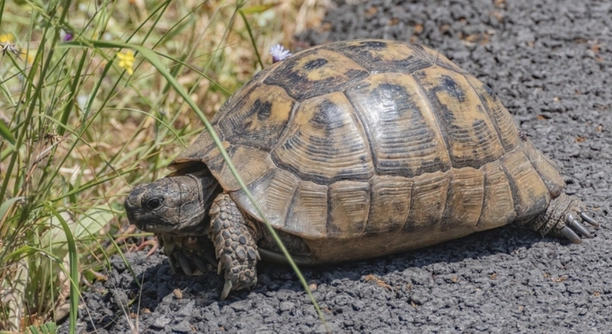
Your Russian tortoise may blink more often than usual for several reasons. Understanding these behaviors can help identify underlying causes and guide you toward solutions. Tortoises communicate and express their health through such actions.
Excessive blinking in Russian tortoises can be linked to environmental stress, eye irritation, or health concerns. Dry habitats, foreign particles, or even dehydration can cause discomfort, leading to frequent blinking. Prompt attention to their habitat and care routine is essential.
The right care and environment can prevent these blinking episodes from becoming a recurring issue. Identifying and addressing the cause early ensures a healthier, happier tortoise.
Understanding Why Your Russian Tortoise Might Be Blinking More
Blinking is a natural behavior for tortoises, but when it becomes excessive, it may signal an issue. Tortoises, especially Russian tortoises, rely heavily on their environments to stay healthy. Dry air, dust, or strong lighting may cause irritation, leading them to blink more often. If your tortoise is blinking constantly or seems bothered by its eyes, the first step is checking its habitat. Is the humidity level too low? Are there any debris or particles near the eyes that could be causing discomfort? These factors can lead to eye irritation, resulting in more frequent blinking.
Environmental changes are not the only reason for blinking. It could also indicate an issue with their diet, dehydration, or even stress. A poorly balanced diet can affect the overall health of a tortoise, causing it to react by blinking more. Similarly, lack of hydration or access to fresh water will increase the likelihood of blinking. Stress, triggered by new surroundings or disruptions in their daily routine, can also play a role.
Understanding these factors is important for maintaining a balanced, healthy life for your tortoise.
What to Do If Your Tortoise is Blinking More
If your Russian tortoise is blinking frequently, the first step is to assess its environment. Check for any noticeable changes in the temperature, humidity, or any dust or foreign particles near its habitat. If you find any concerns, it’s best to address them immediately.
A well-maintained habitat with the right humidity and temperature levels plays a huge role in your tortoise’s well-being. Ensuring that their space is free from harsh lighting, and that they are kept in a properly maintained enclosure, will reduce the chances of irritation. Regularly cleaning their habitat and removing any particles that might irritate the eyes can be helpful. Additionally, ensure that their food and water are fresh. Tortoises need a balanced diet, high in fiber and low in fat, to stay healthy.
When these factors are carefully controlled, you can minimize health issues, including excessive blinking. However, if blinking continues or worsens, a visit to the vet is recommended to rule out more serious conditions like eye infections.
Checking for Irritants in the Habitat
If your tortoise is blinking more than usual, check its environment for possible irritants. Dust, dirt, or chemicals in the air can cause discomfort and trigger excessive blinking.
Clean your tortoise’s enclosure regularly to avoid dust buildup. Use a mild, non-toxic cleaner for surfaces and avoid harsh chemicals that may irritate their sensitive eyes. You may also want to check for mold or other contaminants that can lead to respiratory problems and eye irritation.
Another factor to consider is the bedding material. Some substrates, like cedar or pine, may release fumes that irritate the eyes. Switch to safer alternatives like coconut fiber or grass hay if necessary. Ensuring that their environment is clean and toxin-free is crucial to their overall well-being.
The Importance of Proper Lighting
Lighting plays a significant role in your tortoise’s health. Excessive or harsh lighting can cause eye strain and lead to more frequent blinking. It’s essential to provide the right type of light for your Russian tortoise.
Avoid bright, direct lights in their enclosure. Use UVB bulbs designed specifically for reptiles, which provide the right balance of light without causing harm. These bulbs help mimic natural sunlight, which is beneficial for your tortoise’s overall health. Be sure to position the light source far enough away from your tortoise to prevent any irritation.
Lighting should be on a timer to ensure a consistent day-night cycle, preventing stress and regulating their natural rhythms. Proper lighting helps support healthy vision and minimizes discomfort, ensuring your tortoise feels at ease in its environment.
Checking for Eye Infections
If the blinking persists, it could be a sign of an eye infection. Infections often cause excessive blinking along with discharge, swelling, or redness around the eyes.
Examine your tortoise’s eyes closely for any unusual signs. If you notice pus, crustiness, or any abnormal swelling, it’s crucial to seek veterinary care immediately. Eye infections are common in tortoises, especially if the habitat is too dry or humid.
Dehydration and Its Effects
Dehydration can cause tortoises to blink more as their eyes become dry. Make sure your tortoise always has access to fresh water to stay hydrated.
If dehydration is suspected, increase the moisture in its environment. This can be done by adding a shallow water dish or misting the enclosure with water. Proper hydration is essential for maintaining overall health and preventing eye issues related to dryness.
The Role of Diet
A poor diet can affect your tortoise’s overall health, including its eye function. Lack of essential vitamins and minerals can lead to eye irritation or even blindness.
Ensure your tortoise is getting a balanced diet, rich in fiber and low in protein. Leafy greens like dandelion, collard greens, and mustard greens are great for them. Avoid feeding them too much fruit or protein, as this can upset their health. A proper diet supports immune function, which helps prevent conditions like eye infections or dehydration.
FAQ
Why is my Russian tortoise blinking more than usual?
Excessive blinking in a Russian tortoise can occur for a number of reasons. It’s often caused by environmental factors like dryness, dust, or poor lighting. If there’s a change in temperature, humidity, or even bedding material, your tortoise may blink more to express discomfort. It could also signal dehydration or an eye infection. If blinking is accompanied by discharge or redness, an eye infection may be the cause. Ensuring proper care, a balanced diet, and regular cleaning of the habitat can help prevent this issue.
How can I tell if my tortoise is dehydrated?
Dehydration in a tortoise is usually noticeable through physical signs. A dehydrated tortoise may have sunken eyes, dry skin, or a wrinkled appearance. It may also become lethargic or show little interest in eating. You can check its hydration by gently pinching the skin. If the skin doesn’t spring back quickly, this could be a sign of dehydration. Offering fresh water, misting the enclosure, or providing water-soaked vegetables can help address dehydration. It’s essential to monitor hydration closely for the tortoise’s overall health.
What is the best habitat humidity for a Russian tortoise?
Russian tortoises do best in moderate humidity levels, around 40-60%. Too much moisture can lead to respiratory issues, while too little can cause dehydration and eye problems. To maintain proper humidity, you can place a shallow water dish in the enclosure and mist the environment lightly. Make sure the humidity is consistent and does not fluctuate too much. Using a hygrometer to monitor the humidity levels in your tortoise’s habitat will help ensure they remain in the ideal range.
Can diet affect my tortoise’s blinking?
Yes, a poor diet can contribute to excessive blinking. If your tortoise is lacking key nutrients, such as vitamins A and E, this can lead to eye problems, including increased blinking. A healthy, balanced diet for a Russian tortoise should include a variety of leafy greens, grasses, and a small amount of fruit. A deficiency in vitamin A, for example, is known to cause eye problems in reptiles. Ensure your tortoise gets a proper diet and avoid overfeeding high-protein foods or fruit that may upset its system.
Should I worry if my tortoise is blinking a little more than usual?
In some cases, blinking more frequently can be a normal part of your tortoise’s behavior, especially if it’s adjusting to a new environment. However, if the blinking becomes excessive, it’s important to investigate potential causes like habitat issues, diet imbalances, or health problems. If blinking is persistent or accompanied by other symptoms, such as discharge, swelling, or a lack of appetite, it’s a good idea to seek veterinary care. Monitoring your tortoise’s behavior and making necessary adjustments to its care routine will help prevent further complications.
How can I treat an eye infection in my tortoise?
If you suspect an eye infection, it’s important to take action quickly. The first step is to visit a veterinarian who specializes in reptiles. They may recommend eye drops or topical ointments to treat the infection. In some cases, oral antibiotics may be prescribed if the infection is more severe. Keep the environment clean, free of dust, and ensure that the humidity is not too high. If the infection is caused by poor hydration or diet, addressing these factors can prevent future infections. Follow the vet’s instructions closely for the best outcome.
How often should I clean my tortoise’s habitat?
Cleaning your tortoise’s habitat regularly is essential for their health. You should clean the enclosure at least once a week, but spot cleaning should be done daily to remove any waste or uneaten food. Wash all surfaces with a reptile-safe cleaner and replace bedding as needed. It’s also important to sanitize the water dish and food bowls regularly to prevent bacteria buildup. A clean environment reduces the risk of infections and irritants that could lead to excessive blinking or other health issues.
Can improper lighting cause my tortoise to blink more?
Yes, poor lighting can contribute to your tortoise blinking more than usual. Excessive or harsh lighting can cause eye strain and discomfort. To prevent this, provide your tortoise with proper UVB lighting, which mimics natural sunlight and helps them metabolize calcium. The light should not be too bright, and it should be placed at a proper distance from the tortoise. Ensure that the lighting is on a timer to establish a consistent day-night cycle. This helps support your tortoise’s natural rhythms and prevents unnecessary stress.
What should I do if my tortoise stops eating?
If your tortoise stops eating, it could be a sign of stress, illness, or improper environmental conditions. First, check the habitat for temperature and humidity imbalances. If those are correct, examine the diet. Tortoises may stop eating if they are offered food that is not fresh or to their liking. If the problem persists, or if your tortoise shows other symptoms, such as lethargy or abnormal blinking, consult a vet. Loss of appetite can indicate dehydration, infections, or other health issues that need immediate attention.
Is it common for Russian tortoises to blink often?
Russian tortoises do blink regularly, but if you notice an increase in frequency, it’s worth investigating. Occasional blinking is normal, but consistent or excessive blinking could indicate discomfort or health issues, such as irritation from dust, poor lighting, or dehydration. Always monitor your tortoise’s overall behavior and take note of any other symptoms, like swollen eyes or discharge. If blinking is a sign of something more serious, addressing the root cause quickly will help restore their health and comfort.
Final Thoughts
Understanding why your Russian tortoise is blinking more than usual is key to providing the best care for your pet. There are many reasons why blinking can increase, from environmental factors like dryness or poor lighting to health issues such as eye infections or dehydration. It’s essential to monitor your tortoise’s behavior closely and make any necessary adjustments to its habitat. Regular care and attention to detail can help prevent problems before they become serious, ensuring your tortoise remains healthy and comfortable.
A balanced diet, proper hydration, and the right humidity levels are crucial to maintaining your tortoise’s well-being. By offering a variety of leafy greens, ensuring access to clean water, and keeping the habitat clean and properly lit, you can prevent many of the issues that cause excessive blinking. Keep an eye on your tortoise’s eyes for any signs of discharge, swelling, or redness, as these can be signs of an infection that requires prompt veterinary attention. Paying attention to these factors will help you create a comfortable and healthy environment for your tortoise to thrive.
If blinking persists despite addressing environmental and dietary concerns, it’s important to consult a vet. A professional can rule out underlying health issues such as infections or deficiencies and provide the appropriate treatment. Being proactive about your tortoise’s care and health will lead to a longer, happier life for your pet. With the right steps and regular monitoring, you can ensure your Russian tortoise stays healthy and content for years to come.

Hello,
If you enjoy the content that we create, please consider saying a "Thank You!" by leaving a tip.
Every little bit helps us continue crafting quality advice that supports the health, happiness, and well-being of pets around the world, for pets of all shapes, sizes, and species.
We really appreciate the kindness and support that you show us!