
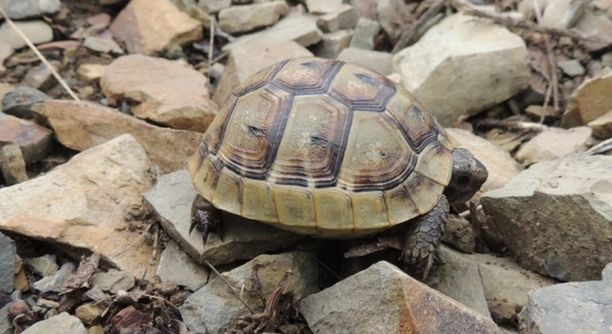
A Russian Tortoise’s shell is an essential part of its overall health and development. Monitoring the shell’s growth can help ensure your tortoise is thriving. Knowing how to identify proper shell growth is crucial for their well-being.
A Russian Tortoise’s shell grows gradually throughout its life. Consistent growth is marked by smooth, undisturbed scutes, without signs of pyramiding, deformities, or damage. A healthy tortoise should exhibit steady shell expansion and natural shaping as it matures.
Proper shell growth is vital for your tortoise’s health. In this article, we will explore key factors influencing shell development and how you can ensure it grows properly over time.
Why Shell Growth Matters for a Russian Tortoise
A healthy shell is a key indicator of a well-cared-for Russian Tortoise. The shell provides protection from predators and environmental hazards while supporting the tortoise’s overall health. As they grow, it’s important to keep an eye on their shell for any irregularities that may suggest health problems. Proper shell growth shows the tortoise is getting enough nutrition and proper care, while any issues could indicate an underlying problem. It’s not only about their looks but also their well-being.
Shell growth is typically slow and steady, but it varies between tortoises. If you notice anything unusual, such as soft or uneven growth, it could be a sign that something’s wrong. Observing their growth patterns will allow you to detect potential problems early on.
Maintaining a balanced diet is essential for healthy shell growth. The right mix of vitamins and minerals helps promote strong, steady growth. Additionally, exposure to natural sunlight or UVB light is critical to help their body process calcium, which strengthens the shell. Without enough calcium, their shell may become soft or deformed, leading to further complications. Regular vet checkups can also provide insight into any potential issues, ensuring that the shell is growing as it should.
What to Look for in a Healthy Shell
When examining your tortoise’s shell, look for smooth, well-defined scutes. The scutes are the plates on the shell that grow as the tortoise matures. A healthy shell will have a smooth texture with no noticeable bumps, soft spots, or irregularities. If you notice any changes, such as abnormal growth patterns or cracks, this could signal a need for closer attention.
The appearance of the scutes is a great indicator of your tortoise’s health. Proper care and nutrition ensure that the shell grows evenly, without deformities. If your tortoise is showing signs of shell damage, it’s best to seek professional advice.
Signs of Unhealthy Shell Growth
If your Russian Tortoise’s shell growth seems uneven or lumpy, it could be a sign of improper nutrition or insufficient care. Pyramiding, where the scutes form sharp peaks, is a common issue that stems from too much protein or lack of UVB light.
Pyramiding can occur when the tortoise is given a diet too high in protein or if it isn’t exposed to enough UVB light. This condition results in the scutes becoming raised, making the shell appear jagged. It’s important to monitor the diet carefully and ensure proper light exposure. Providing a balanced diet of leafy greens, vegetables, and appropriate calcium supplements will help prevent this. Also, providing your tortoise with proper lighting will allow it to metabolize calcium properly, leading to smoother shell growth.
Another sign to watch for is soft or deformed areas on the shell. This may be a sign of calcium deficiency. Calcium is essential for a tortoise’s shell health, and without it, the shell can become weak, leading to deformities. If your tortoise has soft spots or if you notice any strange texture, consult a vet immediately to prevent further damage.
How to Encourage Healthy Shell Growth
Proper care and diet are crucial to fostering healthy shell growth in your Russian Tortoise. A well-balanced diet rich in fiber, vitamins, and minerals supports natural shell development. In addition, regular exposure to UVB light or direct sunlight is vital for calcium absorption. This combination of factors helps your tortoise develop strong and even shell growth.
Offering a varied diet with plenty of leafy greens, such as dandelion greens and collard greens, will provide the essential nutrients for proper shell formation. Calcium-rich foods like dark, leafy vegetables or calcium supplements can be added to promote stronger shell growth. Make sure to avoid overfeeding, as this can lead to obesity, which may affect shell health. Alongside diet, regular exposure to UVB light is critical. The UVB rays help the tortoise process calcium more efficiently, contributing to proper shell development. If you keep your tortoise indoors, providing artificial UVB lighting for 10-12 hours a day will help ensure they stay healthy.
Common Shell Problems in Russian Tortoises
Some Russian Tortoises experience shell deformities due to malnutrition or incorrect care. Problems such as pyramiding, soft shells, or cracks can occur when the tortoise isn’t getting enough calcium, UVB light, or proper hydration. Regular observation is key to identifying issues early.
If your tortoise is showing any signs of shell deformation, such as raised or uneven scutes, this can often be attributed to inadequate UVB exposure or an imbalanced diet. Make sure the tortoise is eating a variety of nutrient-rich greens, along with calcium supplements if necessary. Additionally, consistent UVB lighting is crucial for shell development.
The Role of Habitat in Shell Health
Creating the right environment for your Russian Tortoise is essential for its shell health. They need a spacious, clean habitat with access to natural sunlight or UVB light. The right humidity and temperature levels also support proper growth.
Your tortoise’s habitat should mimic natural conditions as closely as possible. Ensure it has space to move around, bask in warmth, and hide in cooler areas. Proper humidity levels (around 50-70%) and temperatures between 75-85°F during the day will help your tortoise maintain overall health and shell development. A proper habitat also reduces stress, which is beneficial for growth.
FAQ
How can I tell if my Russian Tortoise’s shell is growing properly?
Look for smooth, even scutes without any raised or irregular shapes. A healthy shell should not have bumps or deformities. As the tortoise grows, the shell should expand evenly, and the scutes should shed in layers. If the shell is soft or deformed, it might indicate a lack of calcium or improper care. Pyramiding is another sign of unhealthy shell growth, where the scutes form sharp, uneven peaks. Regular observation and providing proper diet, UVB light, and hydration will help ensure proper shell development.
What is pyramiding and how do I prevent it?
Pyramiding is when the scutes on a tortoise’s shell form uneven, sharp peaks instead of growing smoothly. This is often caused by improper diet, like feeding too much protein, or a lack of UVB light. To prevent pyramiding, ensure your tortoise gets a balanced diet of leafy greens and calcium-rich foods. You should also provide UVB lighting to help with calcium absorption. Avoid overfeeding and make sure your tortoise is getting enough exercise to maintain a healthy shell.
How important is UVB lighting for my Russian Tortoise’s shell health?
UVB lighting is essential for calcium metabolism, which directly affects shell health. Without adequate UVB exposure, your tortoise cannot process calcium properly, leading to a soft or deformed shell. UVB light helps the tortoise’s body produce vitamin D3, which is necessary for absorbing calcium. Ensure your tortoise gets around 10-12 hours of UVB light daily. If they live indoors, invest in a high-quality UVB bulb. UVB lighting also mimics natural sunlight, which is crucial for their overall health and well-being.
Can diet affect my Russian Tortoise’s shell growth?
Yes, diet plays a significant role in the growth and health of your tortoise’s shell. A well-balanced diet that includes plenty of leafy greens, vegetables, and a calcium supplement will promote healthy shell development. Avoid feeding them too much protein, as this can cause pyramiding. It’s also essential to provide a variety of foods to ensure they get the necessary vitamins and minerals. Inadequate calcium intake, in particular, can cause soft or deformities in the shell, so make sure they’re getting enough calcium from food or supplements.
How do I know if my tortoise’s shell is too soft?
A soft shell is often a sign of calcium deficiency or improper care. If the shell feels flexible or squishy, especially around the edges, this indicates a lack of calcium or insufficient UVB exposure. A healthy shell should feel firm and strong. If you notice any softness, it’s important to address the issue quickly by adjusting their diet to include more calcium-rich foods, using supplements, and ensuring proper UVB lighting. Consulting a vet is also recommended to rule out any underlying health issues.
What should I do if my tortoise’s shell has cracks or damage?
If your tortoise’s shell has cracks or damage, it’s important to act fast to prevent infection and further harm. You can apply a non-toxic, gentle antibiotic ointment to the damaged area and keep it clean. Make sure the tortoise is in a dry, warm environment while it heals. If the damage is severe, or if the cracks don’t heal on their own, take your tortoise to a veterinarian who specializes in reptiles. Cracks can be caused by poor shell growth, trauma, or dehydration, so addressing these factors will also help prevent future issues.
How often should I check my tortoise’s shell for problems?
It’s a good idea to check your tortoise’s shell regularly, at least once a week, for any signs of irregular growth, damage, or softness. Keeping track of the condition of the shell will help you spot problems early. Look for any changes in shape, color, texture, or bumps. Regular checks allow you to address potential issues before they become more serious. Healthy shell growth is gradual, so noticing subtle changes can make a big difference in maintaining their overall health.
What can I do to help my Russian Tortoise’s shell grow evenly?
To help your tortoise’s shell grow evenly, provide a consistent, well-balanced diet with plenty of fiber, calcium, and vitamins. Ensure the diet is rich in leafy greens and low in protein. Make sure they have access to UVB light for proper calcium absorption. Additionally, keep your tortoise hydrated and ensure their habitat is warm and spacious. Avoid overfeeding and monitor their weight to prevent obesity, which can also affect their shell growth. Regular vet visits can also help maintain proper shell health.
Why is my Russian Tortoise’s shell changing color?
Shell color changes can be normal, especially as your tortoise matures. The shell may darken as they grow older or after shedding scutes. However, if you notice unusual color changes such as yellowing or discoloration, it could indicate a health issue. Yellowing could be a sign of an infection, poor diet, or dehydration. If the color change is sudden or accompanied by other symptoms like lethargy or a lack of appetite, consult a veterinarian to rule out any potential health problems.
Final Thoughts
Proper shell growth is a key indicator of a healthy Russian Tortoise. A smooth, evenly growing shell signals that your tortoise is getting the right care, nutrition, and environment. Paying attention to their shell condition is essential for their overall health. If you notice any irregularities, such as pyramiding, soft spots, or cracks, it’s important to address them quickly. Early intervention can prevent further damage and ensure your tortoise lives a long and healthy life.
Maintaining a balanced diet and providing adequate UVB lighting are two of the most important steps in ensuring your tortoise’s shell grows properly. A diet rich in leafy greens, calcium, and the right amount of protein is necessary for shell development. Make sure to also provide them with proper UVB exposure, whether through natural sunlight or artificial UVB lighting. Without this, your tortoise won’t be able to properly absorb calcium, which can lead to weak or deforming shells. Regularly checking your tortoise’s shell and keeping track of any changes will allow you to catch potential problems early.
In conclusion, a healthy Russian Tortoise shell is the result of consistent care, proper diet, and the right environment. By offering a balanced diet, ensuring regular UVB exposure, and maintaining their habitat, you’ll help your tortoise develop and maintain a strong, healthy shell. Keep an eye on any signs of distress or abnormal growth and consult a vet when needed. With the right approach, your tortoise’s shell will grow properly and remain a good indicator of their health for years to come.

Hello,
If you enjoy the content that we create, please consider saying a "Thank You!" by leaving a tip.
Every little bit helps us continue crafting quality advice that supports the health, happiness, and well-being of pets around the world, for pets of all shapes, sizes, and species.
We really appreciate the kindness and support that you show us!