
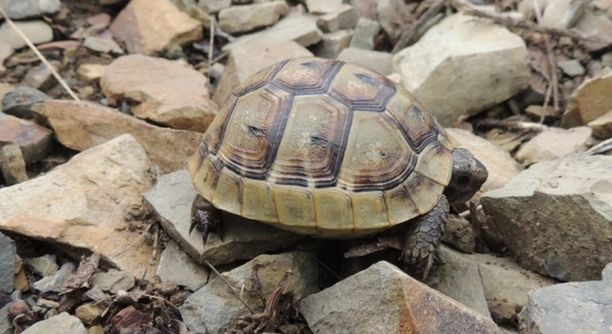
Taking care of a Russian tortoise requires attention to detail, as their health can be easily impacted by mistakes in their environment or diet. Knowing what these mistakes are is the first step to preventing illness in these fascinating creatures.
Several factors can contribute to a Russian tortoise’s illness, such as improper diet, insufficient lighting, and poor habitat conditions. Neglecting these aspects can lead to serious health problems like shell deformities, respiratory issues, or digestive disorders.
In this article, we will outline the key mistakes to avoid and share tips on creating a healthy environment for your tortoise.
Mistake 1: Inadequate Diet
A balanced diet is essential for your Russian tortoise’s health. They require a variety of leafy greens, grasses, and vegetables. Feeding them the wrong food, like too much fruit or high-protein items, can lead to digestive issues or obesity. It’s important to ensure their diet mimics what they would eat in the wild, with a focus on fiber-rich plants. Avoid feeding them processed foods or items high in sugar, as these can disrupt their natural digestion and cause long-term harm.
A proper diet helps prevent common health problems such as respiratory infections and shell deformities. Make sure to provide fresh, clean water to keep them hydrated.
Feeding your Russian tortoise a diet of mainly high-fiber plants will not only support their digestion but also help them maintain a healthy weight. Include dark leafy greens like kale, collard greens, and dandelion leaves, and offer grass hays as a staple. Avoid feeding them iceberg lettuce, as it lacks nutrition. Remember to always remove any uneaten food to prevent spoilage.
Mistake 2: Poor Lighting and Temperature
Russian tortoises rely on proper lighting and temperature to stay healthy. Exposure to UVB rays is crucial for calcium absorption, which helps in shell growth and overall health. If your tortoise doesn’t get enough light, they may develop metabolic bone disease.
To create a proper environment, use a UVB light that is appropriate for reptiles and ensure it’s positioned correctly within their enclosure. Along with UVB light, they also need a temperature gradient. Provide a warm basking area and a cooler side for them to regulate their body temperature. Keeping the temperature in the correct range will prevent illness and stress.
The temperature range for your Russian tortoise should be between 75-85°F during the day, with a basking area reaching up to 90°F. At night, the temperature should not drop below 65°F. Maintaining this temperature range will encourage normal behavior and digestion. If you’re using a heat lamp, be sure it is placed far enough from the tortoise to avoid overheating. Additionally, the light should be replaced regularly to ensure the UVB output is still effective.
Mistake 3: Improper Enclosure Size
An improperly sized enclosure is another common mistake that can lead to illness. If your Russian tortoise’s home is too small, it can cause stress, hinder their natural movement, and lead to health problems. Tortoises need plenty of space to roam and explore. Without it, they may become lethargic or anxious, leading to poor health.
A proper enclosure size should be at least 4×8 feet for an adult tortoise. Providing a large space encourages exercise, which is vital for their overall well-being. The enclosure should also have hiding spots and areas for them to dig, as this mimics their natural habitat.
A larger enclosure can help maintain the proper temperature gradient and provide different areas for basking and cooling off. You should also include a substrate that allows your tortoise to burrow, such as organic soil or coconut coir. Remember to clean the enclosure regularly and replace bedding to avoid any buildup of harmful bacteria.
Mistake 4: Overfeeding or Underfeeding
Overfeeding or underfeeding your Russian tortoise can lead to serious health problems. It’s important to feed them the right amount of food based on their age and activity level. Overfeeding can cause obesity, while underfeeding can result in malnutrition.
The right portion size varies depending on your tortoise’s size and age, but in general, offer food that’s about the size of their shell. Young tortoises may require more frequent feedings, while adults typically eat once a day. Overfeeding can lead to bloating, difficulty moving, and shell deformities. Conversely, underfeeding can cause slow growth and weak bones.
Be mindful of their food intake and avoid feeding them too much at once. Consider using a feeding schedule to help regulate portion sizes. Watch for signs of unhealthy weight gain or loss and adjust their diet accordingly. Keep in mind that Russian tortoises need fiber to digest food properly, so their meals should consist of fresh, high-quality greens and grasses.
Mistake 5: Inconsistent Humidity
Maintaining the proper humidity is key to your Russian tortoise’s health. Too much moisture or not enough moisture in the environment can lead to respiratory problems or skin issues. It’s essential to monitor the humidity levels in their enclosure.
To achieve the right humidity level, you’ll need to maintain a balance. Too little humidity can lead to dehydration and skin shedding issues. Too much humidity can cause respiratory infections and fungal growth. Keep humidity levels around 40-60% to avoid these issues. Use a hygrometer to measure the moisture in the air and make adjustments as needed.
Ensure proper ventilation in the enclosure to allow air to circulate and prevent excess humidity. Consider adding a humidifier or misting the enclosure during drier months to maintain the proper moisture level. Be careful not to make the enclosure too damp, as this could lead to mold and bacteria. Regularly check the bedding and substrate to ensure it is dry and clean.
Mistake 6: Neglecting Regular Vet Visits
Even though Russian tortoises are resilient, they still need regular check-ups to stay healthy. Routine vet visits help catch any underlying health issues early. Skipping these can result in undiagnosed problems that could lead to serious conditions later.
Taking your tortoise to the vet at least once a year is recommended, even if they seem healthy. A vet will check for common issues like respiratory infections, parasites, and dental problems. They can also advise you on proper care and diet, helping you ensure your tortoise’s long-term well-being.
Mistake 7: Handling Too Much
Handling your Russian tortoise too frequently can cause stress and lead to health issues. Tortoises are naturally shy and need their space to feel secure. Excessive handling can result in them becoming anxious, which may affect their eating habits and overall behavior.
It’s important to give your tortoise plenty of time to roam in their habitat. When handling is necessary, keep it short and gentle to avoid overwhelming them. Let them explore at their own pace and never force them into contact.
FAQ
How often should I feed my Russian tortoise?
You should feed your Russian tortoise once a day. A proper feeding schedule will help regulate their digestion and prevent overeating or underfeeding. If they are very young, you might need to feed them twice a day, as they have higher energy needs. Always make sure the food portion is appropriate for their size, typically about the size of their shell. Overfeeding can lead to obesity, while underfeeding may stunt their growth and weaken their bones.
Can I keep my Russian tortoise with other pets?
It’s best not to keep your Russian tortoise with other pets, especially those that might be aggressive or too active. They can get stressed or injured if housed with more dominant animals. If you choose to keep them with other pets, make sure the other animals are calm and won’t harm the tortoise. Additionally, sharing space with other animals may cause issues with territorial behavior, food competition, or stress that could negatively affect their health.
What is the ideal temperature for a Russian tortoise?
Your Russian tortoise’s enclosure should have a temperature range of 75-85°F during the day, with a basking spot reaching 90°F. At night, the temperature can drop to around 65°F but should not go lower. Using a heat lamp and a UVB light is essential to maintain these temperature gradients. The heat allows the tortoise to regulate their body temperature, while the UVB light supports calcium absorption and prevents metabolic bone disease.
How do I prevent my Russian tortoise from getting sick?
To prevent illness, maintain a proper diet, ensure correct lighting and temperature, and provide a spacious and clean enclosure. Regular vet visits help catch any potential health problems early. Keeping their environment clean and ensuring they get adequate hydration and exercise are also essential in preventing illness. Make sure to keep their food varied and high in fiber, and avoid feeding them foods that are harmful, like high-protein items or sugary fruits.
What type of substrate should I use for a Russian tortoise?
The best substrate for a Russian tortoise’s enclosure is one that allows them to dig and is easy to clean. Organic soil, coconut coir, or a mix of both work well. Avoid using sand or cedar shavings, as they can cause health problems like respiratory issues or gastrointestinal problems. Make sure the substrate is dry and doesn’t become too damp, as excess moisture can lead to mold or bacterial growth.
Is it okay to feed my Russian tortoise fruit?
You can feed your Russian tortoise fruit, but it should be given in moderation. Too much fruit can lead to digestive issues or obesity. Fruit is high in sugar, which isn’t ideal for their overall health. Instead, focus on a variety of leafy greens, vegetables, and grasses. Some good fruit options in small amounts include strawberries, apple slices, and pears.
How can I tell if my Russian tortoise is dehydrated?
Signs of dehydration in a Russian tortoise include sunken eyes, lethargy, and difficulty shedding their skin or scutes. If your tortoise’s skin appears wrinkled or they aren’t drinking enough water, they might be dehydrated. To prevent dehydration, always provide fresh water in their enclosure. You can also mist their environment to help maintain moisture levels, especially during dry seasons.
Can I take my Russian tortoise outside?
Yes, but only in a safe, controlled environment. When taking your Russian tortoise outside, make sure the area is secure and free of predators, such as dogs or birds. Avoid placing them on hot surfaces, as they can burn their delicate feet. Always supervise your tortoise outdoors, and bring them inside if the temperature becomes too hot or cold. Outdoor time can provide natural sunlight, which is essential for their health.
What should I do if my Russian tortoise refuses to eat?
If your Russian tortoise refuses to eat, first check their environment. Ensure the temperature, humidity, and lighting are within the right ranges. Stress or changes in their environment can also cause them to stop eating. If they haven’t eaten for a few days and seem lethargic, consult a vet, as this could indicate a health issue.
How long do Russian tortoises live?
Russian tortoises can live between 40 to 50 years, sometimes even longer if given proper care. Providing them with a balanced diet, appropriate lighting, and a clean environment can help them reach their maximum lifespan. Their longevity makes them a long-term commitment, so be prepared for the responsibility of caring for them for many years.
Can Russian tortoises get along with other tortoises?
It is generally not recommended to keep multiple tortoises together, especially if they are from different species or have different care requirements. Russian tortoises can be territorial and may fight over food, space, or basking areas. If you want more than one, make sure the enclosures are large enough to provide separate territories, and monitor them closely to ensure they don’t become stressed or aggressive.
Taking care of a Russian tortoise involves understanding their unique needs and providing the right environment, diet, and care to keep them healthy. A well-balanced diet rich in fiber, proper lighting, and the right temperature are crucial for their well-being. Ensuring they have enough space to roam, along with regular check-ups, will help prevent common health problems. The more attention you give to these factors, the more likely your tortoise will thrive and enjoy a long, healthy life.
Avoiding common mistakes, such as improper feeding, poor enclosure conditions, and lack of regular vet visits, can help prevent serious illnesses. It’s essential to pay attention to details like temperature, humidity, and diet, as these can directly impact your tortoise’s health. Regularly monitor their weight, shell condition, and behavior to catch any signs of illness early. By understanding what could go wrong, you can better protect your tortoise from harm and provide a safer environment for them.
Remember, owning a Russian tortoise is a long-term commitment. These reptiles can live for several decades, so it’s important to be prepared for their long lifespan. Taking the time to educate yourself on their needs and habits will make it easier to care for them. Whether you’re a new owner or have had your tortoise for years, continuing to learn about their care will help ensure that your pet remains healthy and happy.

Hello,
If you enjoy the content that we create, please consider saying a "Thank You!" by leaving a tip.
Every little bit helps us continue crafting quality advice that supports the health, happiness, and well-being of pets around the world, for pets of all shapes, sizes, and species.
We really appreciate the kindness and support that you show us!