
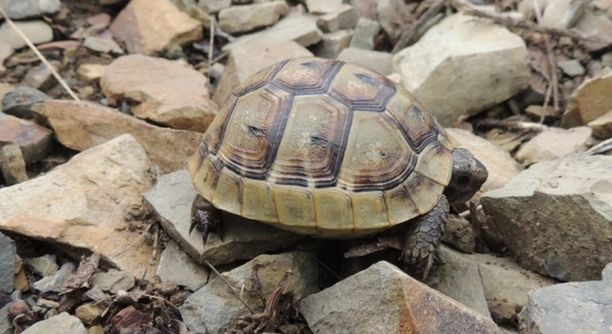
Russian tortoises are popular pets known for their charming personalities. However, not all flowers are safe for them to eat. Understanding which flowers to avoid is essential for their health and well-being.
Russian tortoises should not eat certain flowers due to their potential toxicity. Some flowers contain compounds that can cause digestive issues, organ damage, or even death. It is important to know which plants are safe for them to consume to prevent harm.
Knowing which flowers to keep away from your tortoise is vital to ensure they stay healthy. The following points will help guide you in making safe choices for your pet’s diet.
Why Certain Flowers Are Harmful to Russian Tortoises
Some flowers are toxic to Russian tortoises and can cause serious harm if ingested. Many of these plants contain chemicals that interfere with the tortoise’s digestive system, liver, or kidneys. For example, flowers like lilies, azaleas, and daffodils can lead to symptoms such as vomiting, diarrhea, or lethargy. Some flowers may also contain alkaloids or glycosides, which can affect the heart or nervous system. While not every flower is dangerous, it’s essential to know which ones pose a risk to avoid accidental poisoning. Always ensure that any flowers offered are safe for your tortoise.
A common issue with feeding Russian tortoises flowers is that many people assume all plants are safe for them. However, this is far from the case. Knowing the difference between toxic and non-toxic plants can prevent unwanted health problems and keep your pet safe.
In addition to toxicity, certain flowers may also cause digestive upset. Flowers that are not native to your tortoise’s natural environment might not be compatible with their digestive system. The wrong flowers can cause severe stomach issues, dehydration, or even death in extreme cases. It is best to stick to flowers that are known to be safe for tortoises, such as dandelions and hibiscus.
How to Identify Safe Flowers for Your Tortoise
Choosing the right flowers for your tortoise can be a little tricky, but it is worth the effort. The best approach is to research and verify whether a flower is safe before offering it.
Start by focusing on flowers that are known to be safe for tortoises. Dandelions, hibiscus, and clover are great examples of non-toxic options. These flowers are not only safe but also nutritious, providing essential vitamins and minerals for your tortoise’s diet. On the other hand, flowers like chrysanthemums and buttercups should be avoided, as they contain compounds that can harm your pet.
Before feeding your Russian tortoise any flowers, double-check that they have not been sprayed with pesticides or herbicides. Even non-toxic flowers can be dangerous if contaminated with harmful chemicals. Always wash flowers thoroughly before offering them to ensure they are safe and free from chemicals that could harm your pet. You can also grow your own tortoise-safe flowers to control the environment and ensure the flowers are safe for consumption.
Toxic Flowers to Avoid
Several common flowers are dangerous for Russian tortoises. Flowers like lilies, daffodils, and azaleas can cause severe health problems if consumed. These plants contain toxins that affect the liver, kidneys, and digestive system. Even a small amount can be harmful, so it’s essential to know which flowers to avoid.
The effects of toxic flowers can vary, but many cause symptoms such as vomiting, diarrhea, or lethargy. If left untreated, ingestion can lead to organ failure or even death. It’s crucial to familiarize yourself with the flowers that are unsafe to prevent your tortoise from accidentally consuming them. Always keep track of which plants are around your pet’s habitat.
The toxicity of certain flowers can be sneaky. Some flowers appear harmless but contain compounds that disrupt bodily functions. For example, certain types of lilies and tulips can cause serious kidney damage. For your Russian tortoise’s safety, double-check flowers before offering them as treats.
How to Prevent Accidental Ingestion
Preventing your tortoise from eating harmful flowers requires some attention. Keep toxic plants out of their reach and avoid planting them in your tortoise’s enclosure.
Another way to prevent accidental ingestion is to monitor your tortoise while they roam in a garden or outside. Make sure they do not have access to areas where dangerous flowers grow. You can also set up a designated space for your tortoise to roam that is free of harmful plants.
If you are unsure whether a plant is safe, research it before introducing it to your tortoise’s environment. Many plants have safe alternatives, and it’s always safer to choose non-toxic flowers for your pet. By being vigilant and informed, you can keep your tortoise healthy and free from the risks of toxic plants.
Flowers That Are Safe for Russian Tortoises
There are plenty of flowers that are safe for Russian tortoises to eat. Dandelions, hibiscus, and clover are examples of flowers that provide nourishment without posing a risk. They are safe and offer important vitamins and minerals, making them a great choice for your tortoise’s diet.
These flowers are not only harmless but also encourage healthy digestion and provide hydration. They can be found in many gardens or lawns. It’s essential to offer a variety of safe flowers to your tortoise to maintain a balanced diet. Just be sure to avoid any flowers that are treated with chemicals or pesticides.
Understanding the Risks of Chemical Exposure
If flowers are treated with pesticides or herbicides, they become harmful to your tortoise, even if the flower itself is not toxic. Pesticides can cause long-term health problems, including digestive issues, organ damage, or even death. Always wash flowers thoroughly to remove any chemicals.
Additionally, be aware that some pesticides can remain on flowers for days, making it important to avoid flowers from gardens that are frequently sprayed. Even natural products used in gardening can sometimes cause harm to your tortoise. Opt for flowers grown in pesticide-free environments to ensure safety.
The Importance of Variety in Their Diet
Russian tortoises thrive on a varied diet. Including a mix of safe flowers, greens, and vegetables helps provide the essential nutrients they need. A balanced diet supports their immune system, bone health, and overall vitality.
Offering only one type of flower or food may lead to nutritional deficiencies. It’s a good idea to rotate the types of flowers you give your tortoise, as this helps provide a broader range of vitamins and minerals. Combining flowers with leafy greens and other appropriate foods ensures your pet stays healthy and strong.
FAQ
What flowers are safe for Russian tortoises to eat?
Safe flowers for Russian tortoises include dandelions, hibiscus, clover, and pansies. These flowers provide nutritional benefits like vitamins and minerals while posing no harm to your pet. You can also offer violets and certain types of marigolds. Always double-check to ensure no chemicals have been applied to the flowers before feeding them to your tortoise.
Can Russian tortoises eat roses?
Roses are generally safe for Russian tortoises in moderation, but they should be free from pesticides or chemicals. The petals and leaves can be consumed, but avoid offering too many at once. Overfeeding any single flower could lead to digestive issues. Roses provide vitamins and hydration, so they can be a good treat when offered properly.
Are all flowers safe for Russian tortoises?
No, not all flowers are safe for Russian tortoises. Many flowers contain toxic compounds that can cause digestive issues or even organ failure. Flowers such as lilies, azaleas, and daffodils are particularly dangerous. Always research flowers before feeding them to your tortoise to ensure they are safe.
What happens if a Russian tortoise eats a toxic flower?
If a Russian tortoise eats a toxic flower, it can experience symptoms such as vomiting, diarrhea, lethargy, or even seizures. In severe cases, ingestion of toxic flowers can lead to organ failure and death. If you suspect your tortoise has eaten something harmful, contact a vet immediately for treatment.
How can I tell if a flower is safe for my Russian tortoise?
To determine if a flower is safe, research its species and check whether it’s known to be non-toxic to tortoises. Look for reputable sources such as pet care websites or veterinary advice. You can also use apps designed to identify plant safety. Additionally, avoid flowers from gardens that are treated with chemicals.
Are wild flowers safe for Russian tortoises?
Some wildflowers are safe for Russian tortoises, but others may be toxic. Dandelions and clover found in the wild are often safe. However, you should avoid picking flowers from areas that may have been treated with pesticides or herbicides. Always wash wildflowers thoroughly before offering them to your tortoise.
Can Russian tortoises eat flower stems and leaves?
Russian tortoises can eat the leaves and stems of some flowers, but it’s important to check if these parts are safe. For example, dandelion leaves and hibiscus stems are fine for them to consume. However, certain stems and leaves from toxic plants can cause problems, so avoid offering those.
Can I grow flowers for my tortoise?
Growing your own flowers for your Russian tortoise is a great idea. It allows you to control what your tortoise consumes, ensuring the flowers are pesticide-free and safe. You can grow a variety of edible flowers, such as dandelions, pansies, and nasturtiums, to provide a healthy, fresh source of nutrition for your pet.
Are flower petals more nutritious than other food for Russian tortoises?
Flower petals can be a healthy addition to your Russian tortoise’s diet but should not be relied upon as the sole source of nutrition. While they provide essential vitamins, they lack other important nutrients like fiber and protein. Flower petals are best used as occasional treats alongside other foods, such as leafy greens and vegetables.
Can I feed my tortoise flowers every day?
Feeding flowers to your Russian tortoise daily is not recommended. While they can be a healthy snack, a varied diet is essential for proper nutrition. Offer flowers occasionally, but focus on providing a balanced diet with a range of greens, vegetables, and grasses. Too many flowers could upset your tortoise’s digestive system.
What should I do if my Russian tortoise stops eating flowers?
If your Russian tortoise suddenly refuses to eat flowers, it could be a sign of health issues or stress. Check their environment for any changes, such as temperature, humidity, or stress from handling. If the refusal persists, consult a veterinarian to rule out any underlying medical conditions.
Are there any flowers that should be avoided at all costs?
Yes, some flowers are extremely toxic and should be avoided at all costs. These include lilies, azaleas, daffodils, and foxgloves. Even small amounts of these flowers can cause severe health issues for your tortoise. Always research flowers carefully and avoid those with known toxic properties.
Final Thoughts
Russian tortoises require a balanced diet to maintain their health, and the flowers they consume play a role in that. While some flowers can be a great addition to their meals, it is essential to choose them carefully. Flowers such as dandelions, hibiscus, and pansies are safe and provide vital nutrients. However, not all flowers are suitable, and some can be toxic, which could lead to serious health problems. It’s important to know which flowers are safe and to avoid offering those that could harm your pet.
When offering flowers, be sure to pick them from a clean, pesticide-free environment. Even flowers that are generally considered safe can be harmful if treated with chemicals. If you grow your own flowers, this gives you better control over the quality and safety of the plants. It’s also helpful to rotate the types of flowers you offer to keep your tortoise’s diet varied and balanced. A wide range of flowers and plants ensures that your tortoise receives the necessary vitamins and minerals to thrive.
Overall, understanding the types of flowers safe for your Russian tortoise is crucial to keeping them healthy. Always make sure to do thorough research before feeding them any new plant. If you ever feel uncertain, it’s best to consult a veterinarian who can provide more specific guidance on what flowers and plants are best for your tortoise. By being mindful of what your tortoise consumes and offering a well-rounded diet, you’ll help ensure they live a long and healthy life.

Hello,
If you enjoy the content that we create, please consider saying a "Thank You!" by leaving a tip.
Every little bit helps us continue crafting quality advice that supports the health, happiness, and well-being of pets around the world, for pets of all shapes, sizes, and species.
We really appreciate the kindness and support that you show us!