
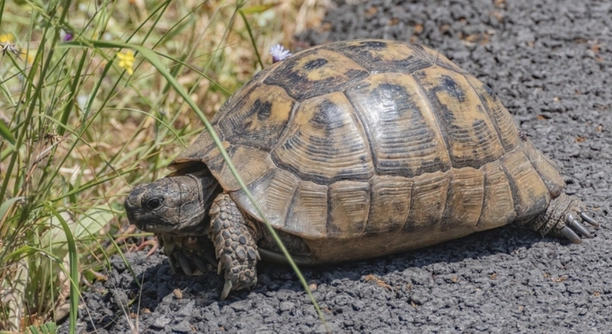
Russian tortoises make wonderful pets, but like any reptile, they require proper care to thrive. One aspect of their health that needs attention is their beak, which can overgrow if not managed correctly.
To prevent a Russian tortoise’s beak from overgrowing, provide them with a balanced diet that includes foods like leafy greens, vegetables, and some high-fiber options. Regular access to hard surfaces, such as rocks, also helps naturally wear down the beak over time.
With simple, proactive care, you can ensure your tortoise’s beak remains healthy and properly sized. Keep reading to learn more about how to keep your tortoise in top condition.
Causes of Beak Overgrowth
Beak overgrowth in Russian tortoises can occur for several reasons. One major factor is a poor diet lacking the proper nutrients, especially fiber. Without enough fiber, a tortoise may not be able to naturally wear down its beak. A lack of hard surfaces to chew on, such as rocks, also contributes to the problem. Over time, the beak can become too long and difficult for the tortoise to manage.
In addition, lack of physical activity can lead to slower wear on the beak. When a tortoise isn’t moving around enough, it may not have the same opportunities to naturally grind down its beak. This issue can be avoided with a well-balanced diet and an enriched environment.
Maintaining your tortoise’s health requires attention to diet and living conditions. A combination of proper food, activity, and the right surroundings ensures that the beak stays in good shape. Regularly checking the beak will also help spot any early signs of overgrowth.
How to Trim a Beak
If your tortoise’s beak becomes too long, trimming it may be necessary. Carefully trim the excess growth with specialized reptile clippers. Always be cautious to avoid cutting too close to the sensitive areas of the beak.
For minor overgrowth, gently file the beak with a reptile-safe tool. Make sure to avoid causing stress to the tortoise during this process. A calm environment and patience are key to ensuring your pet remains comfortable throughout. Regular checks will help you stay on top of any beak issues.
It’s important to monitor your tortoise’s beak health regularly. If overgrowth occurs often, adjusting diet and providing more opportunities for natural beak wear can help avoid the need for frequent trimming.
Importance of a Balanced Diet
A proper diet is essential for preventing beak overgrowth in Russian tortoises. Offering a mix of leafy greens, vegetables, and some high-fiber options will support overall health. Foods like collard greens, dandelion greens, and kale are great choices.
Fiber-rich foods help keep your tortoise’s digestive system functioning and contribute to beak wear. A healthy diet supports growth, ensures strong bones, and prevents the beak from becoming too long. Avoid sugary fruits and processed foods, as these can lead to health problems that impact the beak’s growth.
Incorporating a variety of safe vegetables ensures that your tortoise gets all the vitamins and nutrients it needs. Not only does this contribute to beak health, but it also boosts the tortoise’s immune system. Over time, a balanced diet will help maintain your pet’s overall well-being.
Importance of Exercise
Exercise plays a significant role in managing your tortoise’s beak health. Encouraging movement will naturally wear down the beak. Make sure your tortoise has a large, secure area to roam. This promotes both physical and mental stimulation.
A good-sized enclosure with obstacles, such as rocks and logs, encourages your tortoise to move around and stay active. Climbing and exploring naturally help wear down the beak, reducing the chances of overgrowth. Giving your tortoise the space it needs to roam ensures better beak health in the long run.
Providing exercise is an easy yet effective way to support your tortoise’s health. It also helps with digestion and keeps your pet fit and happy. Proper exercise, combined with the right diet, can prevent many common health issues.
Beak Health and Hydration
Proper hydration is essential for your tortoise’s overall health and beak maintenance. Always provide fresh water in a shallow dish that is easy for your tortoise to access. Hydration helps with digestion and supports proper shell and beak growth.
Dehydration can lead to a variety of issues, including improper beak growth. Ensure your tortoise drinks regularly and has access to moist, nutrient-rich foods like leafy greens, which aid in hydration. This simple step can prevent unnecessary stress on your tortoise’s health.
Providing Proper Surface Materials
Having the right surfaces for your tortoise to walk on is crucial for beak care. Natural surfaces like rocks, gravel, and hard soil allow the tortoise to naturally wear down its beak. Smooth surfaces like plastic or wood don’t provide enough abrasion for this purpose.
Make sure the enclosure includes hard materials for walking, climbing, and chewing. Providing rough surfaces can help prevent overgrowth. If your tortoise lacks these opportunities, its beak may start to elongate due to insufficient grinding. Regularly inspect the surfaces to ensure they’re rough enough to maintain healthy beak growth.
Regular Veterinary Check-ups
Regular visits to a reptile veterinarian can help maintain your tortoise’s beak health. A vet can spot early signs of overgrowth and offer advice on maintaining a balanced diet and appropriate care. They may also provide professional trimming if necessary.
FAQ
How do I know if my Russian tortoise’s beak is overgrown?
The most common signs of beak overgrowth in Russian tortoises are visible elongation, irregular shape, and difficulty eating. If the beak appears too long or starts to curve, it’s a sign that trimming may be needed. Also, if your tortoise has trouble chewing or seems to avoid eating, it could be struggling with an overgrown beak.
What should I do if I see signs of overgrowth?
If you notice overgrowth, the first step is to adjust your tortoise’s diet and provide more surfaces for beak wear. If the issue persists, consider having the beak professionally trimmed by a reptile vet. Regular check-ups with the vet can help you catch any problems early and avoid complications.
Can my Russian tortoise’s beak overgrow from lack of food?
Yes, a poor diet, especially one that lacks fiber, can contribute to overgrowth. Fiber-rich foods, like leafy greens and some vegetables, help with digestion and naturally wear down the beak. Without the right nutrients and materials to grind against, the beak can grow too long and uneven.
How can I keep my tortoise’s beak from overgrowing in the future?
Preventing beak overgrowth starts with offering a balanced diet of fiber-rich foods and ensuring your tortoise has access to rough surfaces to naturally grind down its beak. Regular exercise is also important, as it encourages movement that aids in beak wear. Routine veterinary check-ups can help spot early signs of problems.
Can a tortoise’s beak regrow after it’s been trimmed?
Yes, the beak will naturally regrow over time. Once trimmed, the tortoise’s beak should grow back to a healthy size with proper care, including a balanced diet and opportunities for natural wear. However, if overgrowth continues, the underlying cause should be addressed to avoid recurring issues.
What should I feed my tortoise to help prevent beak overgrowth?
Feed your tortoise a variety of leafy greens, such as collard greens, dandelion greens, and kale. These foods are high in fiber and provide essential nutrients for overall health. Offering some fibrous vegetables, like squash and carrots, also helps maintain a healthy beak. Avoid feeding too many fruits or high-calcium foods.
How often should I check my tortoise’s beak for signs of overgrowth?
It’s recommended to check your tortoise’s beak every few weeks. Keep an eye out for any signs of elongation or abnormal wear. If you’re unsure, it’s best to visit a reptile vet for professional advice and a proper assessment of the beak’s condition. Regular monitoring is key to catching problems early.
Can a tortoise’s beak grow back if it gets damaged?
Yes, a tortoise’s beak can grow back if it is damaged, provided the damage is not severe and the tortoise is kept in a healthy environment. A proper diet, hydration, and care will help the beak recover. If the damage is extensive, it’s important to consult a vet for appropriate treatment.
How can I encourage my tortoise to exercise more?
You can encourage your tortoise to exercise by offering a larger enclosure or adding obstacles like rocks, logs, and plants. These items make it more likely for your tortoise to move around, climb, and explore. The more active your tortoise is, the more naturally the beak will wear down.
Are there specific surfaces that can help wear down a tortoise’s beak?
Yes, rough surfaces such as rocks, gravel, and hard soil are ideal for wearing down a tortoise’s beak. These surfaces provide natural abrasion and prevent overgrowth. Avoid smooth, soft surfaces like plastic or wood, as they don’t help with beak wear and may contribute to overgrowth if used too often.
What happens if I don’t address a tortoise’s beak overgrowth?
If left unaddressed, overgrown beaks can cause discomfort, difficulty eating, and health problems for your tortoise. It may struggle to bite and chew its food properly, leading to poor nutrition. Severe cases of overgrowth can also interfere with breathing, making it crucial to take action early.
Can trimming a tortoise’s beak be dangerous?
Trimming a tortoise’s beak can be risky if done incorrectly. It’s important to only trim the beak if absolutely necessary and to use proper tools, such as reptile clippers. If you’re unsure, always consult a reptile veterinarian. Professional trimming is the safest option to avoid causing harm.
Final Thoughts
Maintaining a healthy beak for your Russian tortoise is essential for its overall well-being. A balanced diet, proper hydration, and access to rough surfaces for natural beak wear are all crucial components in preventing overgrowth. Regular monitoring of your tortoise’s beak can help catch any early signs of problems. If you notice any issues, such as difficulty eating or an unusually long beak, it’s important to take action quickly to prevent further complications. A tortoise with a well-maintained beak will be able to feed properly, remain active, and live a healthier life.
In addition to diet and habitat adjustments, regular veterinary check-ups are a key part of maintaining your tortoise’s health. A vet can assess the condition of the beak and offer professional trimming if necessary. They can also provide valuable advice on diet and care, ensuring your tortoise’s beak continues to grow properly. Preventing overgrowth through good care habits is the best approach, but if overgrowth does occur, prompt action is important. A timely trim, combined with proper nutrition and surface materials, will allow your tortoise to recover and maintain a healthy beak.
By following these simple guidelines, you can ensure that your Russian tortoise remains healthy and comfortable. A well-balanced diet, rough surfaces, and hydration are the first steps in preventing beak problems. Additionally, regular check-ups with a reptile vet can catch issues early, allowing for quick treatment. Addressing beak overgrowth quickly and properly will help your tortoise lead a long, healthy life. With the right care, you can prevent many of the common issues associated with beak growth and give your tortoise the best chance for a happy, thriving life.

Hello,
If you enjoy the content that we create, please consider saying a "Thank You!" by leaving a tip.
Every little bit helps us continue crafting quality advice that supports the health, happiness, and well-being of pets around the world, for pets of all shapes, sizes, and species.
We really appreciate the kindness and support that you show us!