
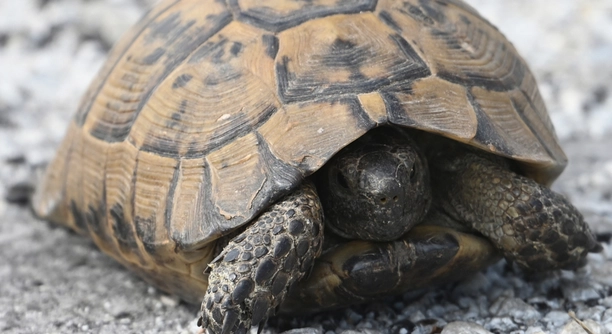
A Russian tortoise requires consistent activity to stay healthy and happy. Their natural instincts call for movement and stimulation, so it’s important to keep them active. This article will guide you on how to keep your tortoise engaged.
To keep a Russian tortoise active, it is essential to provide a stimulating environment. This includes creating a variety of areas to explore, offering different textures, and incorporating interactive activities like food foraging. Consistent physical exercise is also crucial.
Maintaining an active lifestyle for your Russian tortoise will not only improve its physical well-being but also enhance its mental health. Keep reading for simple tips on how to create the perfect environment for your pet’s daily exercise.
Create a Tortoise-Friendly Environment
Russian tortoises thrive in environments that encourage exploration and activity. A spacious enclosure with areas for hiding, climbing, and digging will provide opportunities for natural behaviors. Use a mix of soil and sand for substrate, as this allows them to burrow, which is essential for their well-being.
Including a variety of structures, such as rocks, logs, and plants, will encourage your tortoise to move around more. Tortoises enjoy walking and climbing, so adding different levels to their enclosure will keep them active. Make sure the environment is safe and free of sharp objects to avoid injury.
Light and heat are important as well. Ensure they have access to UVB light, as it helps with calcium absorption and promotes healthy activity. A proper temperature gradient with warm and cooler areas is essential for your tortoise to regulate its body heat and stay active. The right environment sets the stage for your tortoise’s physical and mental health.
Keep Them Active with Food
A simple way to engage your Russian tortoise is through food. Place their meals in different spots within the enclosure to encourage foraging. This simulates a natural feeding pattern and gets them moving around.
Use a mix of leafy greens, vegetables, and flowers that they can search for. Offering food in varying textures and types will keep them interested and moving. Additionally, changing up the location of their water bowl will make them explore even more, further stimulating their movement.
Provide Mental Stimulation
Mental stimulation is just as important as physical activity. You can achieve this by offering a variety of toys or hiding food in different places for your tortoise to find. This encourages them to use their problem-solving skills, keeping their mind sharp.
Objects like tunnels, small boxes, or even safe, non-toxic plants can be used to add variety. Ensure that the toys are simple and safe to avoid injury. Rotating the objects regularly will keep the environment fresh and provide new challenges. Offering these mental activities will help prevent boredom and support overall health.
Interactive activities such as moving objects around the enclosure or placing their food in new areas can encourage exploration. Regular changes will keep them engaged and promote consistent activity. With the right balance of mental and physical stimulation, your tortoise will stay active and happy.
Regular Out-of-Their-Enclosure Time
Sometimes a change of scenery is the best way to encourage activity. Letting your tortoise explore safe areas outside their enclosure can provide additional space and encourage them to move. A secure, enclosed area, like a backyard, can be an ideal spot for this.
Monitor your tortoise while they roam to ensure their safety. Set up a small obstacle course with low barriers for them to climb over or go under. This type of activity allows your tortoise to move freely and engage in natural behaviors. Allowing time outside their enclosure also gives them access to fresh air and sunshine, which contributes to their health.
This extra exploration will encourage them to move more, benefiting their physical health and offering new experiences. Try to make this an enjoyable routine, so they associate it with positive feelings. Regular out-of-enclosure time is essential for promoting an active lifestyle.
Create Varied Terrain
Varying the terrain in your tortoise’s enclosure is essential for keeping them active. Mix sand, soil, and soft rocks to create different surfaces for them to explore. This adds variety and encourages natural movement, keeping them engaged.
Adding small hills or ramps will also challenge your tortoise. These obstacles give them an opportunity to climb and explore. This not only helps with physical exercise but also gives them something new to focus on every day. A varied landscape makes the environment stimulating, leading to more activity.
Provide Opportunities for Digging
Russian tortoises naturally enjoy digging, so giving them the chance to dig in their environment is crucial. Add a deep, soft substrate to their enclosure to encourage this behavior. Make sure to keep it clean and safe for your tortoise to use.
Digging allows your tortoise to engage their muscles and provides mental stimulation as they explore and burrow. Giving them a space to dig can also prevent stress, as it’s a behavior they would naturally engage in. This simple addition encourages activity and provides a natural outlet for your tortoise’s instincts.
FAQ
How can I tell if my Russian tortoise is getting enough exercise?
A healthy, active tortoise will spend time exploring its environment, foraging, and interacting with objects in its enclosure. If your tortoise is spending too much time resting in one spot or seems lethargic, it may not be getting enough exercise. Regular movement is key to maintaining their physical health. Ensure that the enclosure is stimulating enough to encourage activity. Adding obstacles, varying terrain, and using food to encourage foraging can help promote exercise. Regular time outside the enclosure for exploration can also provide a good opportunity for movement.
Is it safe for my tortoise to climb?
Climbing is a natural behavior for tortoises. However, it’s important to ensure the obstacles are safe and stable. Avoid adding anything that could cause your tortoise to fall from a significant height or injure itself. Low ramps or rocks that they can climb and descend gently are ideal. Make sure the materials used are not sharp or dangerous. Also, keep the climbing obstacles within the tortoise’s physical limits to avoid unnecessary strain. Offering climbing opportunities in moderation is great for encouraging movement and exercise.
How often should I let my tortoise roam outside of its enclosure?
Allowing your tortoise to roam outside of its enclosure can be beneficial, but it’s important to supervise during these sessions. Aim for at least once a week, depending on the weather and available space. Make sure the area is secure and free of hazards like other pets or toxic plants. Offering a small, enclosed area with safe barriers or a designated outdoor spot is ideal. Ensure the temperature and humidity are appropriate for your tortoise, and make sure there’s a shaded area to protect them from direct sunlight.
Can I use a hamster wheel or other mechanical toys for my tortoise?
Mechanical toys like hamster wheels are not suitable for tortoises. Their body structure and natural behavior don’t align with these types of toys. Instead, focus on providing natural, safe, and interactive activities. For example, you can hide food in different areas of the enclosure to encourage foraging. Objects such as tunnels, rocks, or low ramps can serve as better alternatives. These types of toys mimic natural behaviors like exploration and climbing, promoting both mental and physical stimulation.
What should I do if my tortoise refuses to eat or stay active?
A lack of activity or eating can be a sign of stress, illness, or improper environmental conditions. Check the temperature, humidity, and lighting in your tortoise’s enclosure to make sure they are within the ideal range. Ensure they have access to fresh food, including a variety of leafy greens, and are not being overfed. If your tortoise is still showing signs of lethargy or refusing food, it’s best to consult with a veterinarian to rule out any health issues. Stress from excessive handling or a lack of mental stimulation can also lead to inactivity, so make sure their environment encourages natural behaviors.
How can I keep my tortoise active during the colder months?
During the colder months, it may be harder to let your tortoise roam outdoors. However, you can still keep them active indoors by enriching their environment. Adding climbing structures, new objects, or rotating toys will help keep them engaged. You can also increase the size of their indoor enclosure or allow for supervised roaming in a safe, larger space. Be sure to maintain proper lighting and temperature within their enclosure to keep them comfortable. Offering variety in their diet and hiding food to encourage foraging will also stimulate activity.
Are there any specific foods that encourage activity in tortoises?
While there isn’t a particular food that will directly increase your tortoise’s activity level, offering a varied and healthy diet can keep them engaged. Providing different types of leafy greens, flowers, and vegetables encourages them to move around to forage. Hiding food in different spots or using puzzle feeders can make mealtime an active event. Fresh food also keeps them healthy and promotes good digestion, which can help maintain their energy levels. A well-balanced diet contributes to overall well-being, which in turn supports their activity.
How do I prevent my tortoise from becoming bored in its enclosure?
To avoid boredom, change up the layout of your tortoise’s enclosure regularly. Add new items like logs, rocks, and plants to provide variety. You can also introduce different textures or levels in the terrain to encourage climbing and exploration. Offering interactive activities such as hiding food in various spots or placing obstacles in their path can provide mental stimulation. A lack of stimulation can lead to stress, so regularly modifying their environment will keep them active and engaged. Keep the environment dynamic and try to replicate a natural setting to encourage exploration.
What is the best substrate for encouraging activity?
A mixture of soil and sand works best for encouraging natural behaviors like digging and burrowing. Make sure the substrate is deep enough to allow your tortoise to dig comfortably. This behavior is important for physical exercise and mental stimulation. Avoid using sharp or toxic materials that could harm your tortoise. Clean the substrate regularly to keep the environment safe and comfortable. Adding some natural elements like leaves or twigs will also encourage exploration. The right substrate will provide a more stimulating environment for your tortoise, promoting activity.
Can I use a heated rock for my tortoise’s enclosure?
A heated rock can be beneficial, but it should be used with caution. Ensure the rock is thermostatically controlled to prevent overheating, as too much heat can cause burns or stress. It’s better to use a heat lamp that provides a safe, even warmth. If you choose to use a heated rock, make sure the temperature doesn’t exceed the safe range for your tortoise, and always provide a cooler area for them to retreat to. Providing a heat source that mimics natural sunlight will keep your tortoise active and comfortable.
Final Thoughts
Keeping a Russian tortoise active is crucial for its health and well-being. These animals are naturally curious and enjoy exploring, so it’s important to create an environment that encourages movement. Providing a varied enclosure with different textures, objects to climb, and spaces to dig can help keep your tortoise physically engaged. These activities mimic their natural behaviors and keep them from becoming bored or stressed. If your tortoise has a stimulating environment, it will likely stay more active and happier overall.
Additionally, it’s important to consider the tortoise’s diet as part of maintaining its activity levels. Offering a varied diet of leafy greens, vegetables, and flowers encourages foraging, which can promote movement. Hiding food in different spots within the enclosure gives them an opportunity to search for it, keeping them active and engaged. While food alone won’t make your tortoise active, it does play a key role in supporting its overall health and energy levels, which can lead to more activity.
Lastly, regular monitoring of your tortoise’s behavior and health is essential. If your tortoise seems lethargic, isn’t eating, or isn’t moving as much as usual, it may be a sign that something is wrong. Check their environment, temperature, and humidity, as these factors can impact their activity. If the issue persists, consulting with a veterinarian is recommended. By maintaining a healthy environment and encouraging natural behaviors, your Russian tortoise can stay active and thrive in its habitat.

Hello,
If you enjoy the content that we create, please consider saying a "Thank You!" by leaving a tip.
Every little bit helps us continue crafting quality advice that supports the health, happiness, and well-being of pets around the world, for pets of all shapes, sizes, and species.
We really appreciate the kindness and support that you show us!